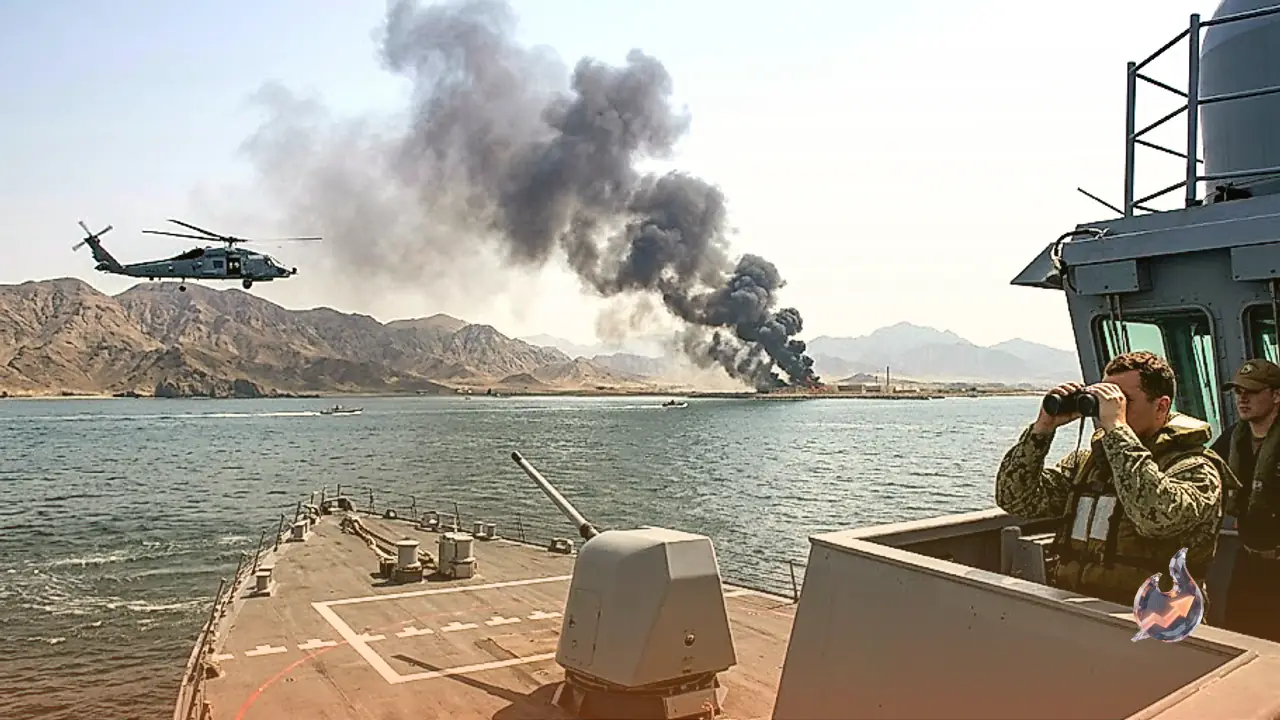

























Global crude benchmark WTI remains steady and holds above key levels following retaliatory missile launches by Tehran after American forces struck Larak Island. The US military targeted launchers preparing to lay mines in the strategic waterway, marking the first direct strike on Iranian military installations in over a month and significantly escalating regional tensions.
Strait of Hormuz Traffic and Maritime Monitoring
American forces continue monitoring the Strait to ensure uninterrupted global trade flows, even as Washington previously favored economic sanctions over direct military action to compel negotiations. Despite the heightened escalation, diplomatic channels have not entirely shut down, with officials noting that mediated talks facilitated by Qatar remain a possibility for both nations.
Crude Export Recovery and Supply Dynamics
Crude oil exports originating from the Persian Gulf have recovered to roughly two-thirds of pre-war levels as vessel traffic through the waterway normalizes. Market observers note that an estimated 6 to 8 million barrels of crude continue transiting the Strait of Hormuz daily without a formal peace agreement, helping contain further upside pressure on prices alongside improving regional supply dynamics.
Understanding WTI Crude Oil Characteristics
WTI Oil represents a major grade of crude traded internationally, originating in the United States and distributed through the Cushing hub, known as the pipeline crossroads of the world. Recognized for its low gravity and sulfur content, it is categorized as a light and sweet oil that refineries process easily, serving as a primary benchmark referenced across global energy media.
Key Drivers Affecting Oil Prices
Market pricing for WTI depends fundamentally on global supply and demand dynamics, where economic growth drives consumption while geopolitical instability, conflicts, and sanctions disrupt shipments. Additionally, production quotas decided by major oil-producing nations alongside fluctuations in the US Dollar influence affordability, given that oil transactions are predominantly denominated in greenbacks.
Inventory Reports and Production Quotas
Weekly inventory updates published by the American Petroleum Institute and the Energy Information Agency offer critical insights into supply shifts, with EIA data widely viewed as government-backed and reliable. Meanwhile, major petroleum exporting groups meet biannually to adjust production quotas, directly impacting international crude valuations.