























Regardless of the season, many people constantly struggle with dry and cracked heels. Sometimes the skin becomes so dehydrated that white patches, fissures, and roughness become clearly visible. This issue becomes even more noticeable when wearing open sandals. If your heels frequently dry out, merely rinsing them with water is not enough, as the skin requires regular moisture and proper attention.
Avoid Soaking Feet in Water for Too Long
Many people believe that keeping their feet submerged in warm water for extended periods will fix dry skin. However, soaking feet for too long can strip away the skin natural moisture, leaving the heels feeling even drier afterward. If needed, keep your feet in lukewarm water for just a few minutes and then gently dry them with a soft towel.
Apply Moisturizer Immediately After Bathing
The easiest way to care for your heels is regular moisturizing. Right after washing your feet or taking a bath when the skin is still slightly damp, apply a thick cream or moisturizer. Foot creams containing ingredients like urea, lactic acid, or salicylic acid can be particularly helpful in softening extremely dry and thick skin for some people.
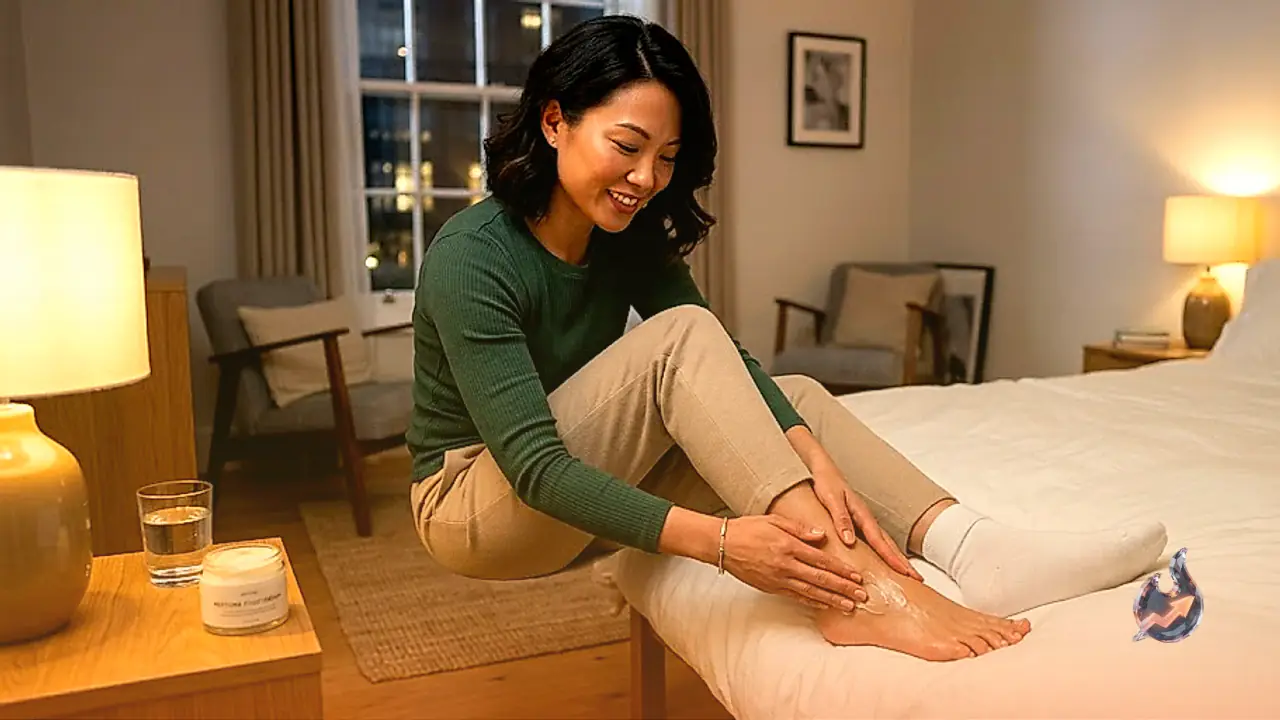
If your heels are excessively dry, you can apply a thick layer of moisturizer before going to bed at night and wear cotton socks. This helps the cream stay on the skin for a longer duration and locks in moisture. Doing this daily can gradually reduce the roughness of the heels.
Be Gentle When Managing Dead Skin
Scrubbing the thick and dead skin accumulated on the heels too harshly is not advisable, as it can cause injury or irritation to the skin. A foot file or pumice stone can be used gently once or twice a week. If the heels are already cracked or bleeding, avoid scrubbing entirely.
Choose Proper Footwear and Protection
Walking barefoot on hard floors for long periods can increase pressure on the heels. Wearing soft-soled slippers even indoors can be helpful. Footwear that is entirely open at the back can also worsen the problem of cracked heels for some people.
Drinking adequate water is essential for the body, but merely drinking plenty of water will not heal cracked heels. External moisturizing and proper foot care are equally necessary for skin health. Maintaining a balanced diet is also beneficial for overall skin wellness.
When to Consult a Specialist
If your heels have deep cracks accompanied by pain, bleeding, swelling, or signs of infection, do not rely solely on home remedies. Persistently or severely cracked heels can sometimes be linked to skin conditions, diabetes, or other health issues. In such cases, seeking advice from a doctor or dermatologist is the best approach.