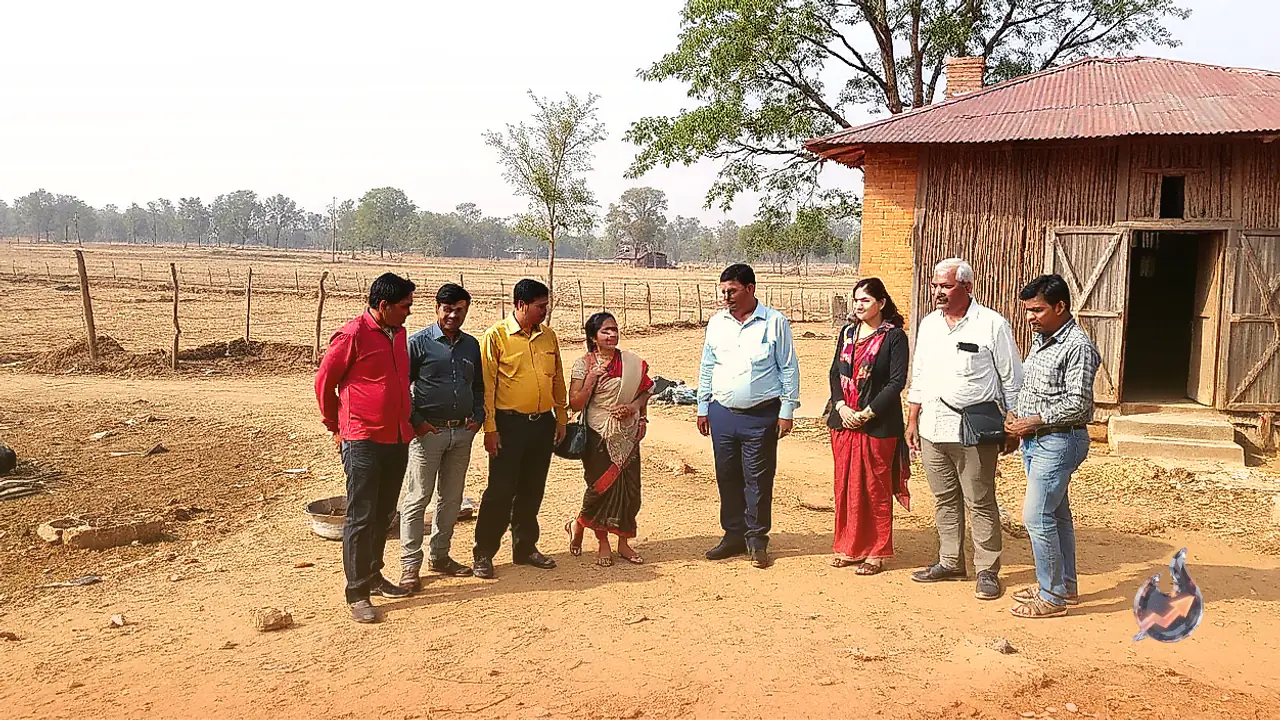


















In the tranquil village of Damas, located within the verdant landscape of North Garo Hills in Meghalaya, a dedicated group of rural women is transforming an abundant agricultural harvest into a powerful engine for economic self-reliance. Working from a modest production shed with very basic tools and limited mechanical support, their collective ambitions stretch well beyond their immediate surroundings. Day after day, these women process local bananas into an impressive array of value-added goods. Leading this community initiative is fifty-year-old Marcellina Sangma, whose path to rural business leadership was neither straightforward nor deliberate. She is an inspiring mother, an accomplished endurance cyclist, and a courageous individual who has twice defeated cancer.
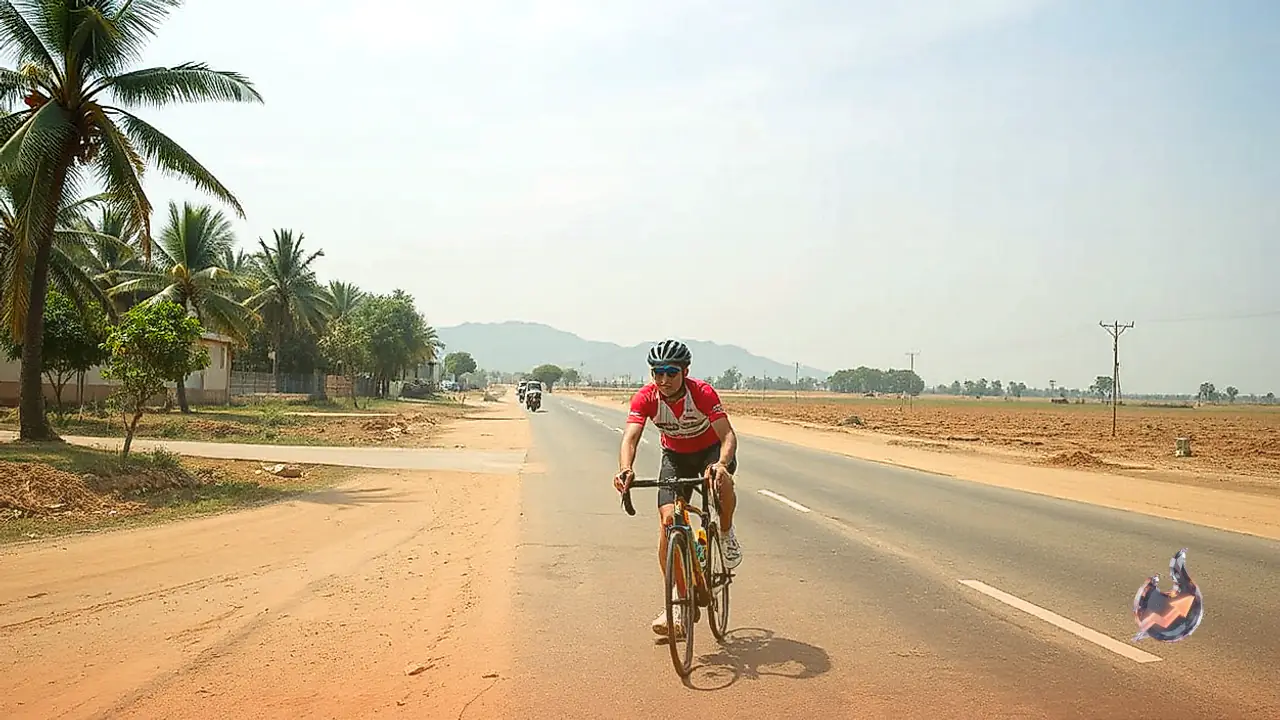
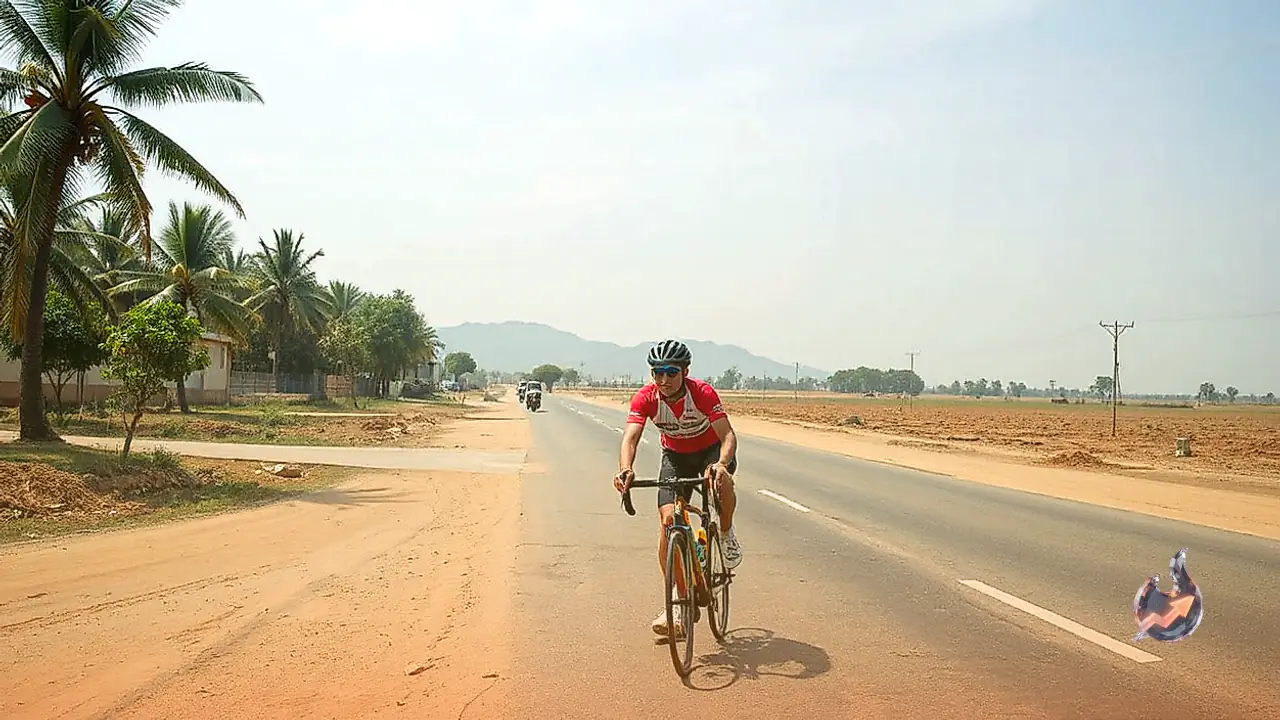
Beyond the boundaries of the workshop where she oversees the conversion of bananas into commercially viable commodities, Sangma pursues athletics with immense vigor. She possesses an extraordinary dedication to long-distance cycling and physical endurance challenges. As an avid cyclist, she has competed in multiple editions of Mountain Bike competitions, demonstrating exceptional resilience across both the inaugural and second events. Her exploits on the road have earned her a distinguished standing throughout Northeast India, distinguishing her as an athlete of formidable resolve.
Setting Records Across Long Distances on Two Wheels
Between 2019 and 2020, Marcellina Sangma etched her name into the sporting history of the region by completing a series of grueling endurance rides. She became the first female cyclist from Northeast India to successfully finish five demanding brevet distances: 200 kilometers, 300 kilometers, 400 kilometers, 500 kilometers, and 600 kilometers. Navigating such distances requires unyielding physical conditioning, mental fortitude, and the ability to persevere through extreme exhaustion, challenging terrain, and unpredictable weather.
Her athletic pursuits do not end with cycling. Sangma is also a seasoned marathon runner who continues to train and pedal regularly, despite the heavy day-to-day administrative and manual burdens of running a rural manufacturing cooperative. Today, the very same perseverance that propelled her across hundreds of kilometers of open road is channeled into empowering the women of Damas, guiding them toward viable livelihoods and social confidence.
Embracing a Zero-Waste Model Through the Banana Plant
The enterprise organized by Sangma is particularly noteworthy for its comprehensive utilization of the banana plant, an approach where almost nothing is cast aside as waste. In conventional agriculture, the bulk of the pseudostem and residual biomass is discarded after harvesting the fruit. Sangma and her team have adopted an innovative circular system that taps into every component of the plant.
From unripe, raw bananas, the workers fry seasoned chips that have found a receptive consumer base. Overripe bananas, which would otherwise rot and be thrown away, are fermented to produce homemade banana wine. Furthermore, the pseudostems are processed to extract resilient natural fibers, which are thoroughly sun-dried and crafted into durable consumer handicrafts, such as decorative coasters, hand-woven baskets, and stylish purses. Any remaining pulp, peels, and processing refuse are systematically composted into nutrient-rich organic manure to nourish future crops. This holistic strategy ensures that the entire lifecycle of the plant generates value.
Pandemic Disruption, Returning Home, and Early Missteps
For Sangma, this enterprise represents far more than an income-generating trade. It is the vehicle through which she has rebuilt her own life while instilling financial independence in other local women. Her journey as an entrepreneur commenced unexpectedly in 2020. The onset of the COVID-19 pandemic disrupted urban livelihoods, compelling her to leave Guwahati in Assam and return to her native home of Damas after an absence spanning twenty-five to twenty-seven years.
Arriving back in her ancestral village after nearly three decades presented significant personal and professional uncertainty. Sangma had to provide for her daughter, who was then and is currently pursuing her school education in Shillong. Idleness was not an option. In her initial attempt to create a sustainable source of income, she borrowed funds to launch a poultry farming project.
Unfortunately, the poultry venture did not succeed as anticipated, resulting in financial strain. Rather than allowing failure to deter her, Sangma began exploring alternative commercial ventures, determined to secure a stable livelihood for herself and her dependent daughter.
A Serendipitous Administrative Pivot to Bananas
Interestingly, Sangma had initially intended to enter a completely different business sector: the spice trade. Recognizing the perpetual culinary demand for condiments, she wanted to establish a processing unit for local spices. However, substantial capital constraints stood in her way. Seeking financial backing, she visited several government departments to inquire about developmental programs and financial aid designated for female entrepreneurs.
During one of these administrative visits, an unexpected turn of events occurred. The specific government funding scheme she sought for spice processing was no longer open for applications. However, a helpful government official informed her that capital support remained accessible for another agricultural item. When she inquired about the commodity in question, the official gave a one-word reply: banana.
Although working with bananas was completely outside her initial business plan, Sangma recognized an opening and seized it without hesitation. She applied for an institutional bank loan coupled with an encouraging 35 percent government subsidy. This vital funding formed the financial bedrock of her fledgling enterprise. The opportunity affirmed the old sentiment that what is destined for a person often presents itself along unexpected routes.
Building Collective Strength Through Community Cooperation
Starting almost entirely on her own in 2022, Sangma gradually introduced neighboring women into the business. In 2023, she organized the initiative into an Advanced Planning and Optimizer (APO) framework, shifting the endeavor from a solitary business into a collaborative community collective. Today, approximately six to seven women work alongside her inside the production shed, distributing processing responsibilities equally.
The economics of their staple offering, banana chips, demonstrate the viability of local value addition. A raw bunch of bananas costs roughly 200 rupees and takes less than a week to slice, fry, and package into finished snacks. The complementary raw materials, including cooking oil, seasonings, and fuel, require an operational working capital outlay of about 20,000 to 22,000 rupees per cycle. Despite these recurring overheads, the enterprise generates steady net profits.
The reach of their inventory has expanded far beyond the village borders of Damas. In addition to local haats, their products are marketed in regional hubs such as Guwahati, Shillong, and even consumer markets in New Delhi. Intriguingly, Sangma notes that a substantial portion of their regular patronage consists of buyers from outside the immediate indigenous communities, demonstrating broad commercial appeal.
Production Realities, Infrastructure Gaps, and Lost Global Orders
Behind the finished packets and woven handicrafts lies an arduous process that demands considerable physical labor and patience. Sangma demonstrates the multistep method of peeling raw fruit, slicing chips, and extracting tough fibers from tree trunks by hand. The extracted fibers require meticulous sun-drying before they are pliable enough to be woven into coasters, purses, and storage containers.
The quality of their craftsmanship has even attracted foreign commercial interest. Sangma revealed that they previously received a substantial export order from a buyer in Vietnam who wanted commercial quantities of banana jam. However, because the cooperative lacked industrial processing machinery and sufficient personnel, they could not take on the order. That missed export opportunity highlighted the acute operational hurdles confronting the small enterprise.
Processing difficulties represent only part of their daily struggle. Securing consistent raw materials, acquiring reliable distribution channels, transporting finished inventory, and conducting effective retail outreach remain difficult hurdles. The cooperative suffers from a severe deficit of processing infrastructure. A climate-controlled storage shed for fresh bananas, automated slicing equipment, commercial deep-fryers, and heat-sealing packaging machinery would drastically cut production time and labor. Modern frying equipment would also curtail costly cooking oil wastage, improving margins. For the moment, Sangma is actively seeking further government programs and grant subsidies to mechanize their operations.
Cooperative Federations and Family Contributions
Family cooperation plays an indispensable role in maintaining the momentum of the business. Sangma’s husband shoulders crucial marketing and logistics responsibilities, promoting the merchandise and handling trade relationships. He consistently travels alongside her to commercial exhibitions and trade fairs across the region, setting up product displays and interacting directly with potential retailers and bulk clients.
The business operates under the institutional umbrella of the Krime Women Multi-Purpose Cooperative Society Ltd., Damas. This cooperative entity was formally registered on July 1, 2020, to enhance member livelihoods through economic schemes, training programs, and credit disbursements to local self-help groups.
Originally conceived as the Krime Cluster Level Federation comprising eight Village Organisations, the cooperative steadily grew as more local units registered. Today, it incorporates 16 Village Organisations representing 18 individual villages across the Damas region. Its geographic jurisdiction covers Nisangram Babupara in the east, Duripara in the west, Upper Niapoli in the north, and Matchakol in the south. This extensive grassroots network provides an organized structure for rural women to collaborate and achieve mutual financial security.
A Triumphant Spirit Inspiring Future Generations
Perhaps the most remarkable element of Marcellina Sangma’s enterprise is that she measures its worth far beyond monetary gains or retail volume. Having confronted and overcome cancer on two distinct occasions, she possesses an intimate appreciation for resilience and the dignity of second chances. Her relentless drive to sustain the venture stems from a profound wish to uplift other rural women alongside her family.
Sangma openly states that her goal is to see every woman in Damas achieve complete economic independence, rather than enjoying personal success in isolation. This inspiring vision has already influenced her immediate household. Her daughter, who is currently studying in Class IX in Shillong, has expressed an ambition to become an agricultural development officer, aiming to provide professional guidance to women entrepreneurs just like her mother.
Inside the modest processing shed in Damas, where no part of the humble banana plant is discarded, Sangma is ensuring that the latent potential of local women is similarly cherished, nurtured, and transformed into lasting empowerment.