




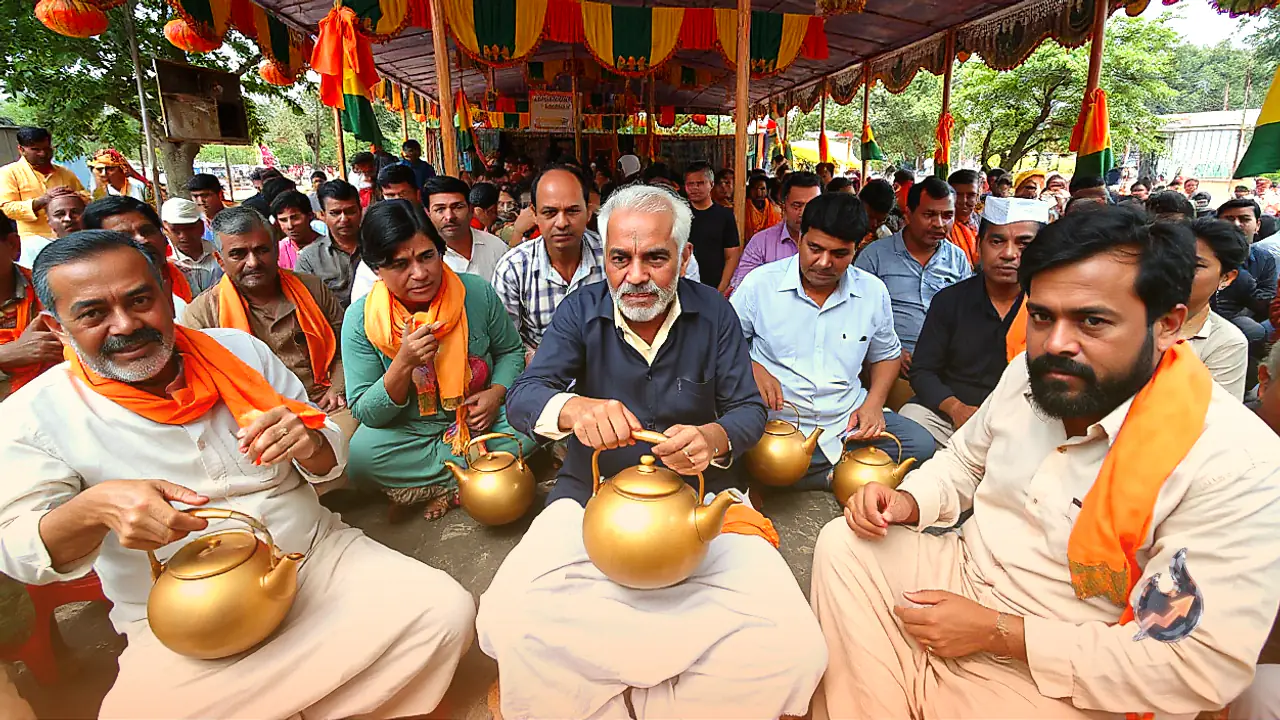














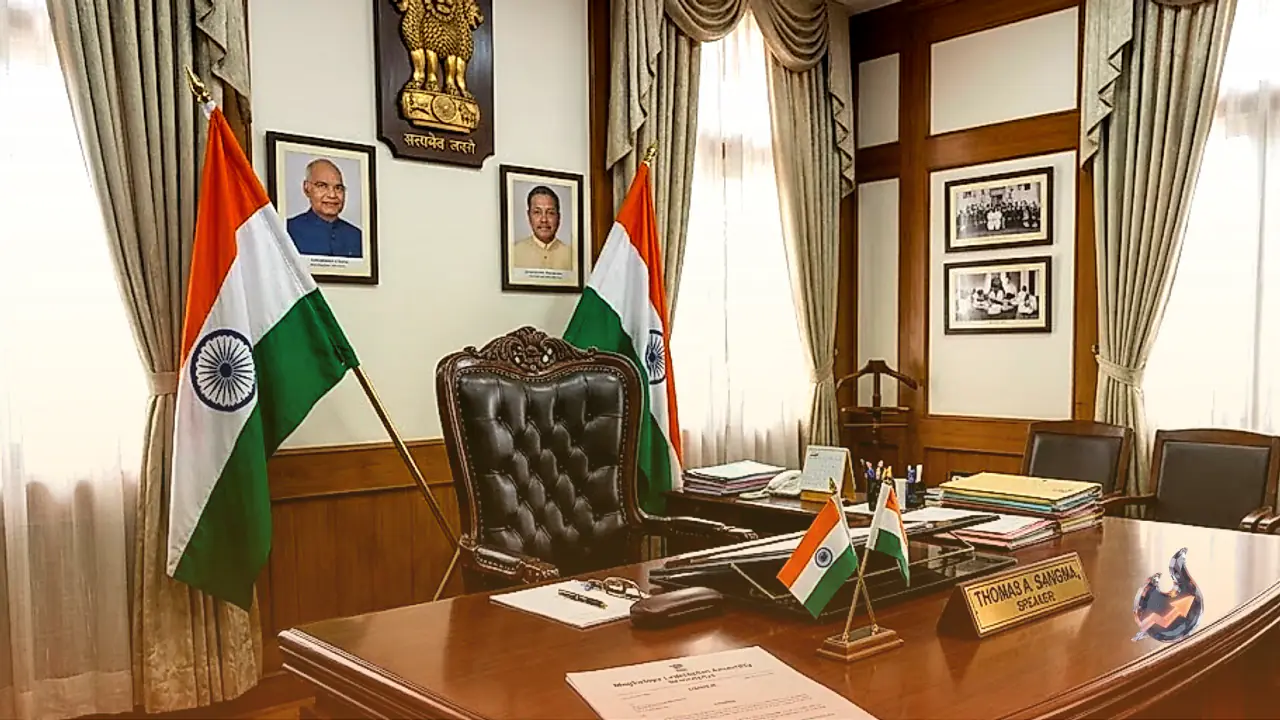

Political dynamics inside the 60-member Meghalaya Assembly shifted substantially on Friday as Speaker Thomas A Sangma formally approved the merger of three additional United Democratic Party (UDP) legislators with the ruling National People's Party (NPP). The formal recognition expands the NPP's legislative strength from 33 to 36 seats, cementing its commanding presence in the House. Concurrently, the UDP, which previously held 12 seats, has seen its legislative footprint shrink to just a single member following two successive rounds of political realignments.
Constitutional Threshold and Procedural Scrutiny
The three lawmakers initially approached the Speaker on October 17 to formally register their decision to align with the NPP. In their submitted correspondence, the legislators maintained that their collective resolution met the legal benchmark set out under Paragraph 4 of the Tenth Schedule of the Constitution, which mandates the consent of at least two-thirds of the legislative party for a valid merger. To verify that the transition was entirely consensual and free of coercion, the Speaker directed the three MLAs to appear in person before him to validate their submission.
Direct Confirmation and Final Ruling
Complying with the directive, the legislators appeared before the Speaker on October 19 and reaffirmed their deliberate intent to join ranks with the ruling formation. In his formal order, Sangma recorded his satisfaction that the MLAs acted voluntarily and entirely of their own accord. Following this verification, the Speaker sanctioned the merger and instructed legislative officials that the three members be seated alongside NPP colleagues during Assembly proceedings.
Second Decisive Realignment Within the UDP
This development comes immediately on the heels of another major fracture within the UDP's legislative ranks. On October 16, the Speaker had formally accepted the merger of eight other UDP legislators with the Bharatiya Janata Party (BJP). Across these two rapid structural transitions, the opposition party lost 11 of its 12 representatives, transforming the overall balance of power within the state legislature.