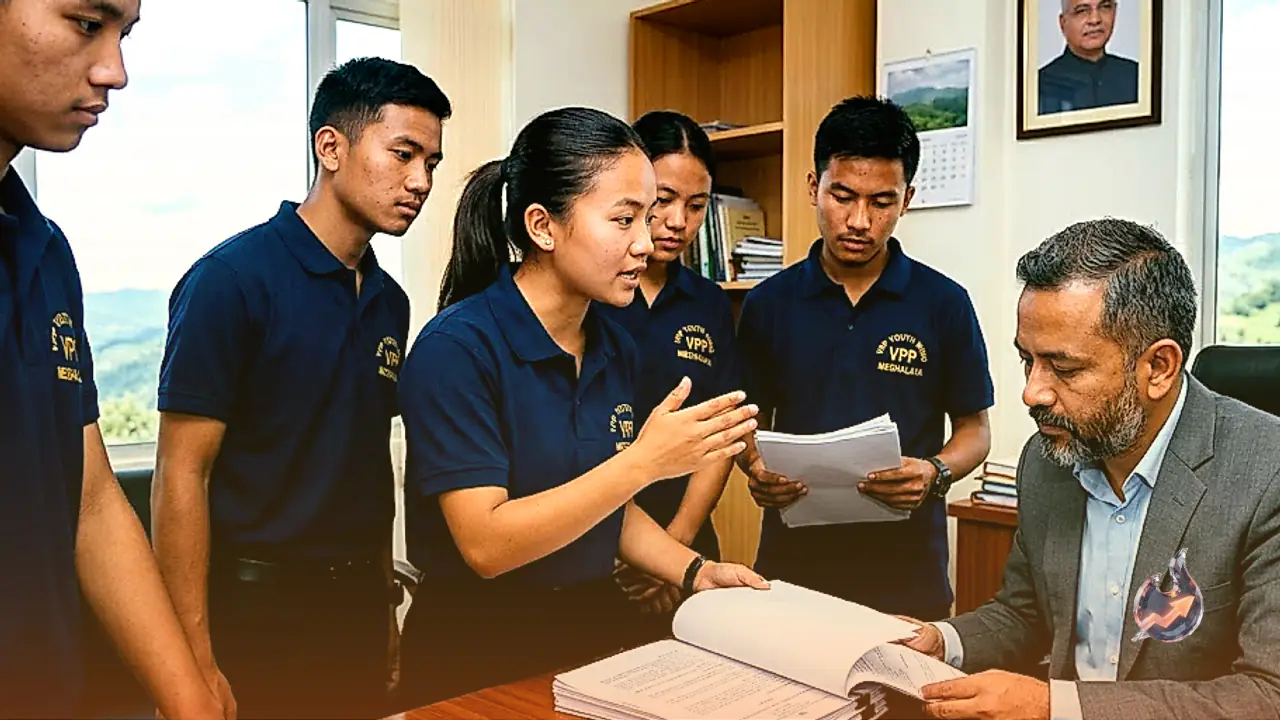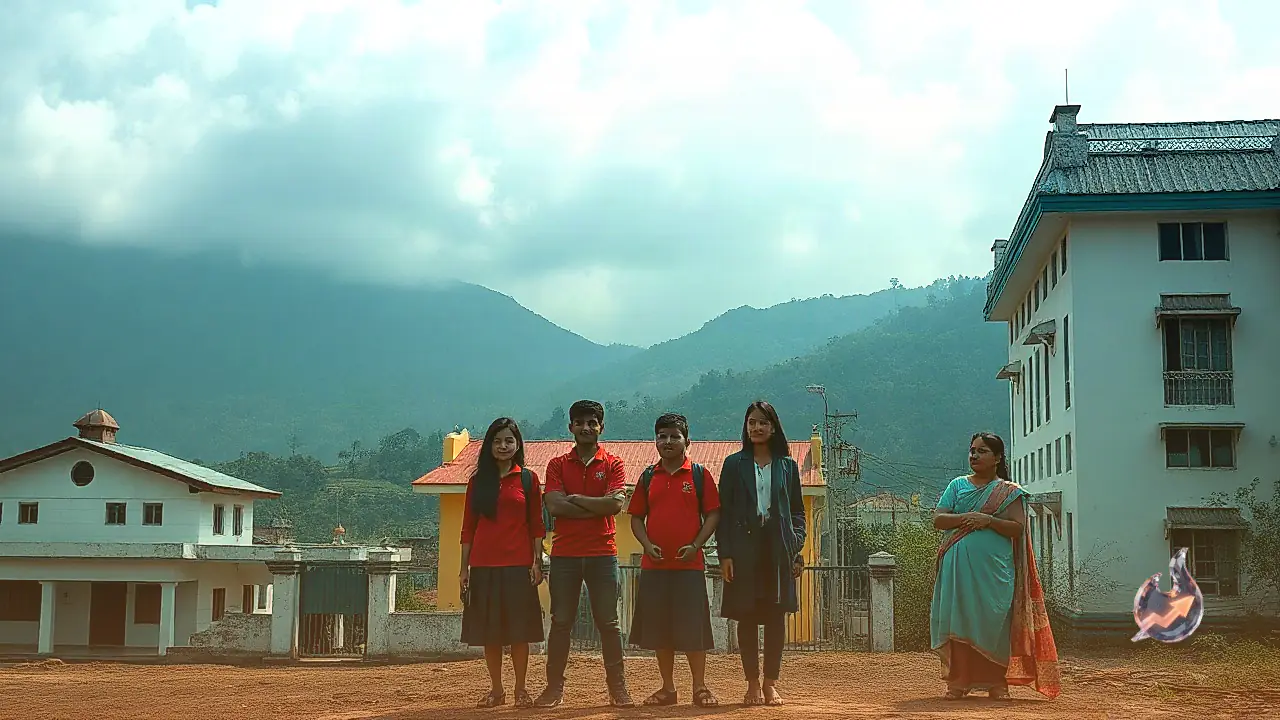















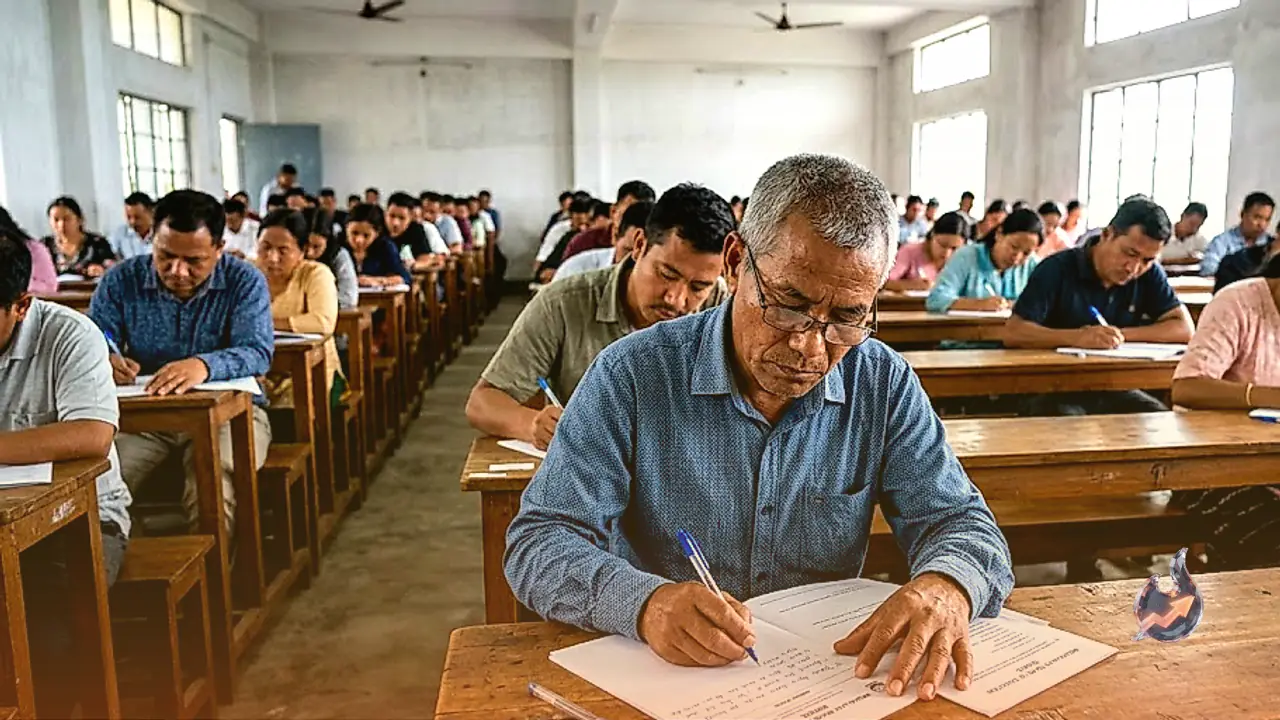

Education is reclaiming center stage for thousands of residents across Meghalaya who had previously discontinued their formal academic journeys. Through an alternative learning framework designed to accommodate non-traditional students, candidates are now preparing to secure their Secondary School Leaving Certificate without enrolling in standard day schools. Official records show that 9,767 individuals have formally registered across the state to appear for the private Class X board examinations scheduled for December 2026.
A 59-Year-Old Veteran Learner Leads the Way
Among the registered cohort, 59-year-old Sylvester Shadap from Thadrang Umngem village in Ri Bhoi district stands out as the oldest candidate. Shadap stepped away from the classroom back in 1989, making his return after an absence spanning nearly four decades. Facing an altered syllabus after decades away presents real hurdles, yet he remains committed to putting in the necessary study hours. Shadap expressed optimism that his personal step back toward formal qualifications would inspire younger dropouts and community members to resume their interrupted studies.
Statewide Infrastructure Across All 12 Districts
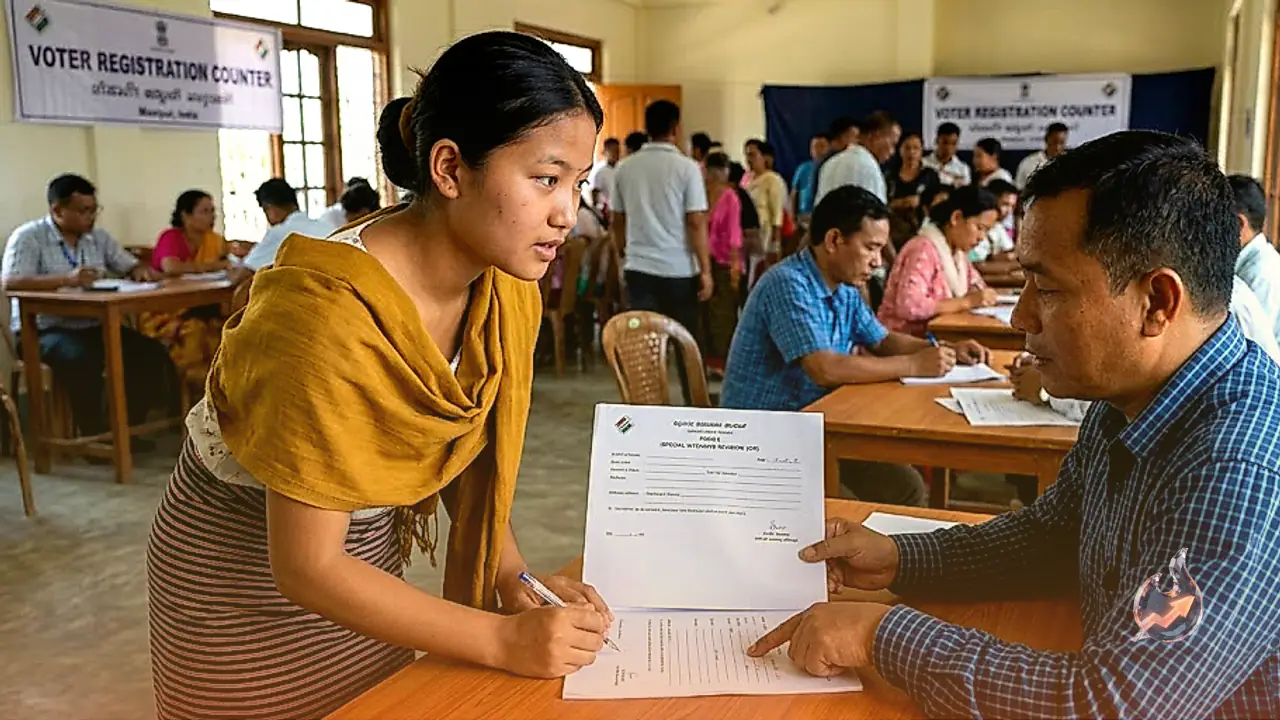
A defining characteristic of this initiative is the total absence of an upper age ceiling, enabling adults and adolescents alike to restart their education irrespective of how many years have elapsed. Registrations encompass all 12 districts of Meghalaya, reflecting participation across multiple demographic segments. In Ri Bhoi district alone, 690 candidates signed up, including a batch of 185 participants based at the Mawlasnai facility. To ensure candidates receive structured local access, authorities have designated 171 learning and assessment centres throughout the state.
Institutional Synergy and Free Learning Resources
The operational framework relies on close coordination between the Meghalaya government, the Meghalaya Board of School Education, known as MBOSE, and the Meghalaya Program for Adolescent Wellbeing, Empowerment and Resilience, or MPOWER. While MBOSE governs academic guidelines and the testing machinery, MPOWER spearheads grassroots mobilization, registration drives, mentoring, and student tracking. To bolster exam readiness, self-instructional study kits have been created and distributed free of cost covering English, Health, Mathematics, Science, Social Science, along with regional languages Khasi and Garo.
Pathways to Livelihoods and NEP Alignment
The program directly addresses the hurdles that forced candidates out of classrooms initially, such as financial distress, familial obligations, migration, early marriage, and rugged terrain. Rather than ending at basic matriculation, the outreach aims to channel successful test-takers into senior secondary streams, vocational training programs, skill-building workshops, and sustainable livelihood avenues. The entire structure mirrors the core tenets of the National Education Policy 2020, championing adaptable pathways, structural inclusion, and continuous lifelong education.