






















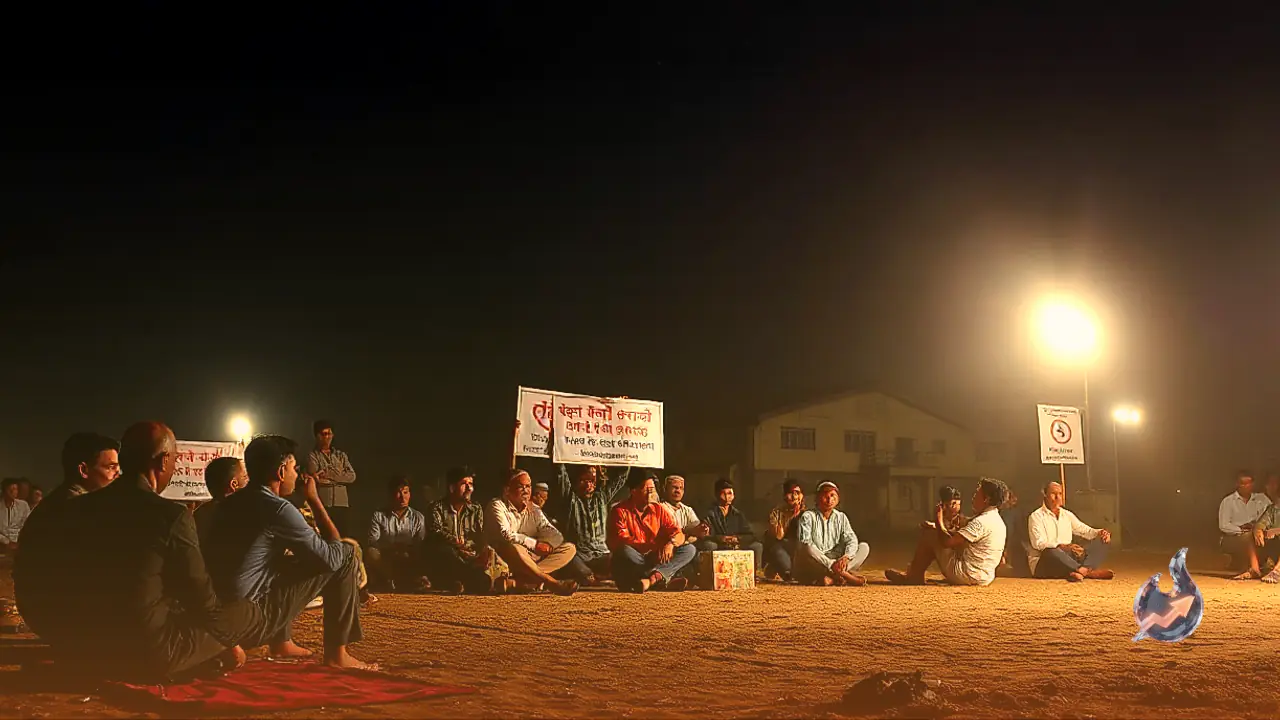

A surprise sit-in protest unfolded in Khliehriat on Monday as five pressure groups gathered outside the Woh Kiang Nangbah monument within the Deputy Commissioner office compound. The demonstration was directed against the recent public hearing held in connection with Shree Cement's proposed industrial initiative in the East Jaintia Hills district.
Joint opposition by local bodies
The protest drew participation from multiple regional organisations, namely the Jaintia National Council, Jaintia Students' Union, Khasi Students' Union, Hima Sutnga Youth Federation, and the Federation of Khasi Jaintia & Garo People. Together, these entities pressed for the immediate scrapping of the public consultation process.
Demand to scrap the public hearing
The participating groups formally urged the Meghalaya Government to revoke the public hearing tied to the proposed 217.394-hectare Lum Syrman Limestone Project. Local stakeholders have expressed deep apprehension regarding how the proceedings were handled.
Focus on landowners and farmers
A core demand raised during the demonstration was the recognition and settlement of rights for traditional landowners belonging to Sutnga and Nongkhlieh Elaka. Furthermore, the organisations insisted that farming ownership rights over Lum Syrman must be fully resolved before any further steps regarding the project are permitted.
This demonstration comes amid an ongoing local dispute concerning land control, protection of livelihoods, and the transparency of the public hearing mechanism. Prior to this demonstration, the Jaintia National Council had approached Chief Minister Conrad K Sangma to seek direct state intervention for safeguarding affected cultivators and landholders.
In a formal memorandum delivered to the Chief Minister on August 13, the organisation raised concerns over whether the public hearing held on July 31 offered all impacted stakeholders a genuine opportunity for meaningful participation.
Additionally, the groups called for a thorough review of the entire proceeding, which includes attendance documents, filed complaints, objections, and official video recordings. The collective stance remains that ownership matters must reach a definitive settlement prior to any advancement of the project.