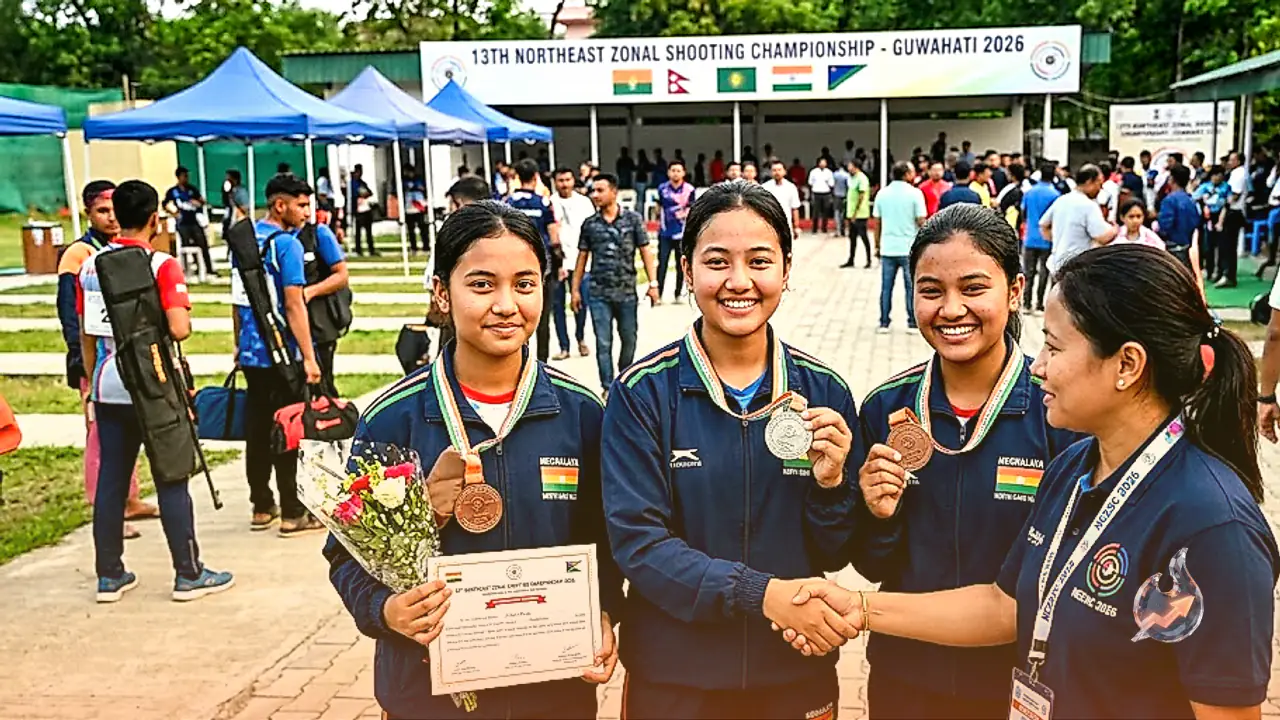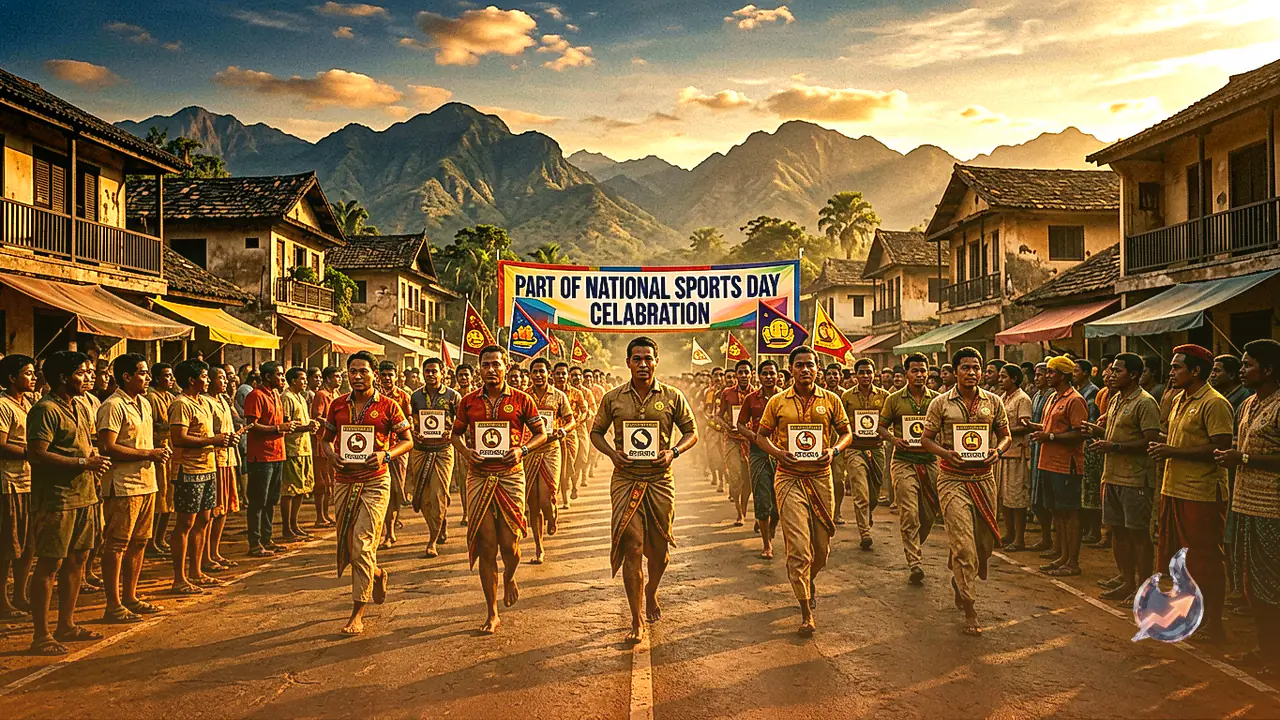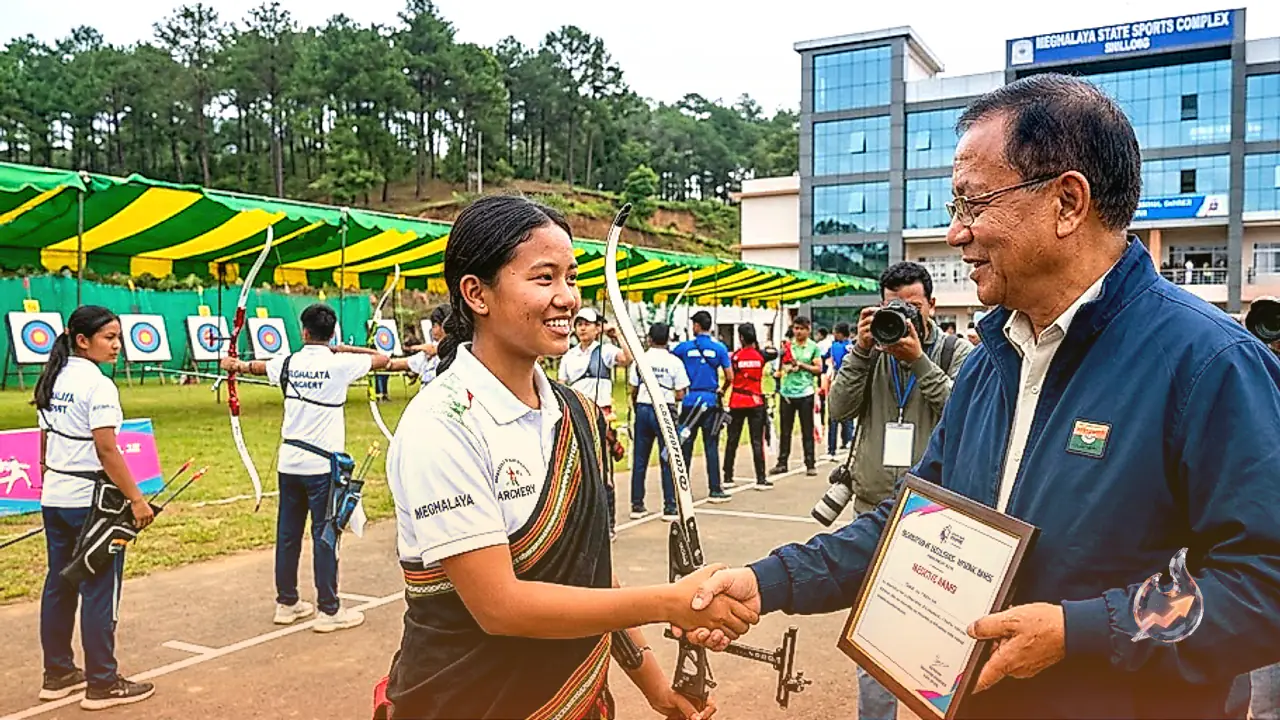



















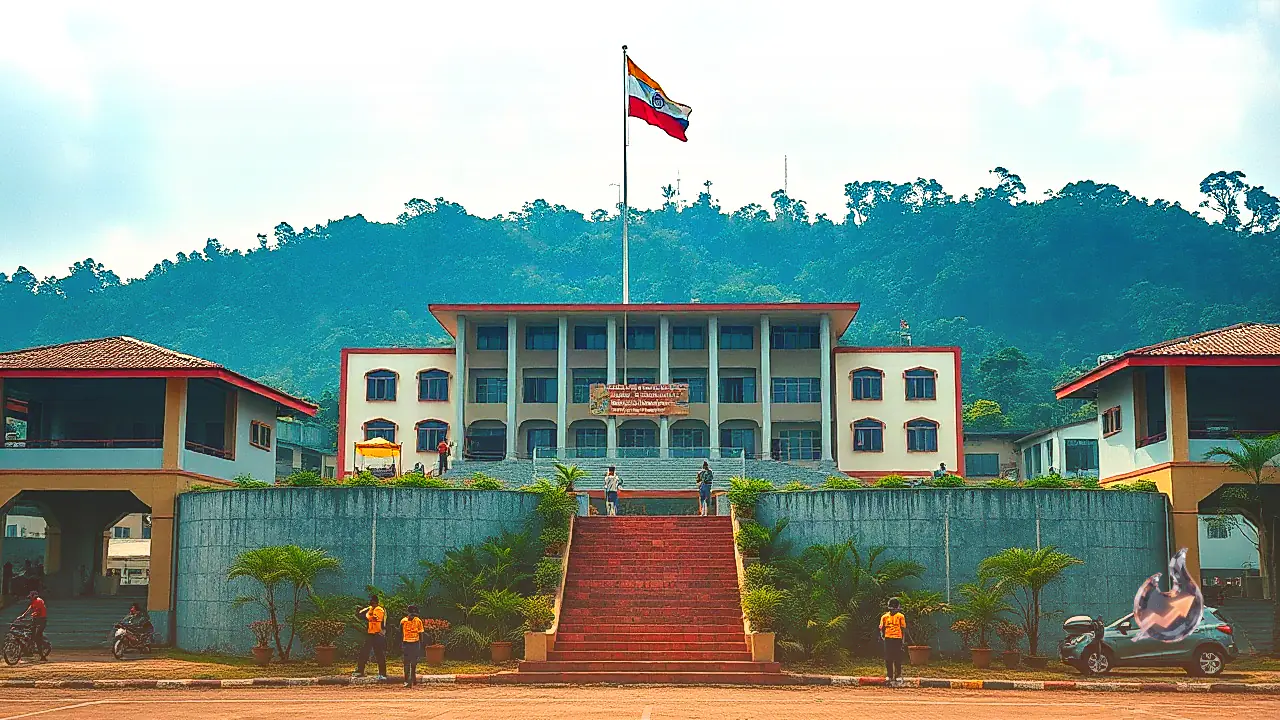

The 2nd District-Level Inter-School Games 2026 officially commenced at the Hawakhana Indoor Hall in Tura on Monday, drawing around 900 student participants from 42 educational institutions. The multi-sport event brings together young athletes from across the region to compete in a structured environment.
Diverse Sports and Participating Schools
The participating schools represent the regions of Selsella, Gambegre, and Tura. Competitions are spread across eight distinct sporting disciplines, providing a wide platform for young talent. These disciplines include volleyball, basketball, taekwondo, swimming, kabaddi, badminton, athletics, and table tennis.
Categories and Age Groups
Organised by the District Sports Office of West Garo Hills, the tournament is structured across multiple age categories. Events are being conducted for Under-14, Under-15, and Under-17 age groups, ensuring participation across various stages of schooling.
Tournament Timeline
The matches are currently underway through various preliminary and knockout rounds. The culmination of the tournament is scheduled for September 3, when the final matches across all disciplines will decide the ultimate winners.
Dignitaries at the Inaugural Event
West Garo Hills Deputy Commissioner Vibhor Aggarwal attended the inaugural ceremony as the chief guest, while Meghalaya State Olympic Association Working President John F. Kharshiing graced the event as the special guest. Several sports officials and local dignitaries were also present to encourage the young competitors.
Focus on Competitive Spirit
Addressing the assembled participants, Vibhor Aggarwal emphasized the importance of competitive sporting events in a student's life. He noted that such tournaments help youngsters assess their individual abilities, gain essential experience, and foster a healthy competitive spirit.
With Meghalaya gearing up to host the National Games in the coming months, Aggarwal encouraged the participants to set ambitious goals. He urged them to work diligently toward representing the state at national and international levels.
National Exposure for Youth
Aggarwal highlighted the immense exposure that the upcoming National Games will offer to young sportspersons in Meghalaya. He pointed out that local athletes will gain a unique opportunity to observe and interact with competitors from all corners of the country.
Evolution of the Sporting Landscape
Sharing his perspective, John F. Kharshiing welcomed the strong turnout from various schools and district-level sports associations. He drew attention to the positive transformation in Meghalaya's sporting ecosystem since 2019.
Kharshiing noted that this progress followed the implementation of the Meghalaya Sports Policy 2019, which was formally notified after a Cabinet meeting held in Tura in December 2019.
Structured Pathways and Incentives
According to Kharshiing, the policy has successfully established a structured pathway for athletes. Students can now progress smoothly from school-level competitions to state-level events, supported by financial incentives such as cash awards and scholarships.
He also reminded attendees about the revival of the Meghalaya Games in 2020, urging students to maximize the use of available infrastructure and opportunities.
Furthermore, Kharshiing discussed the High Performance Program and additional support frameworks designed for athletes. He motivated participants to maintain unwavering commitment to their athletic ambitions.
He expressed confidence that district-level tournaments will play a crucial role in identifying and nurturing grassroots champions from the region.
Assistant Director Saljagring M. Marak
Saljagring M. Marak, Assistant Director in the Directorate of Sports and Youth Affairs, Meghalaya, explained the core objective of the inter-school games. He stated that the event is designed to bring students from diverse institutions onto a common competitive platform.
Marak emphasized that such events allow students to compete beyond their individual school boundaries and measure their potential against a larger talent pool. He concluded that this exposure builds confidence, adds competitive experience, and strengthens the overall sporting culture among students.