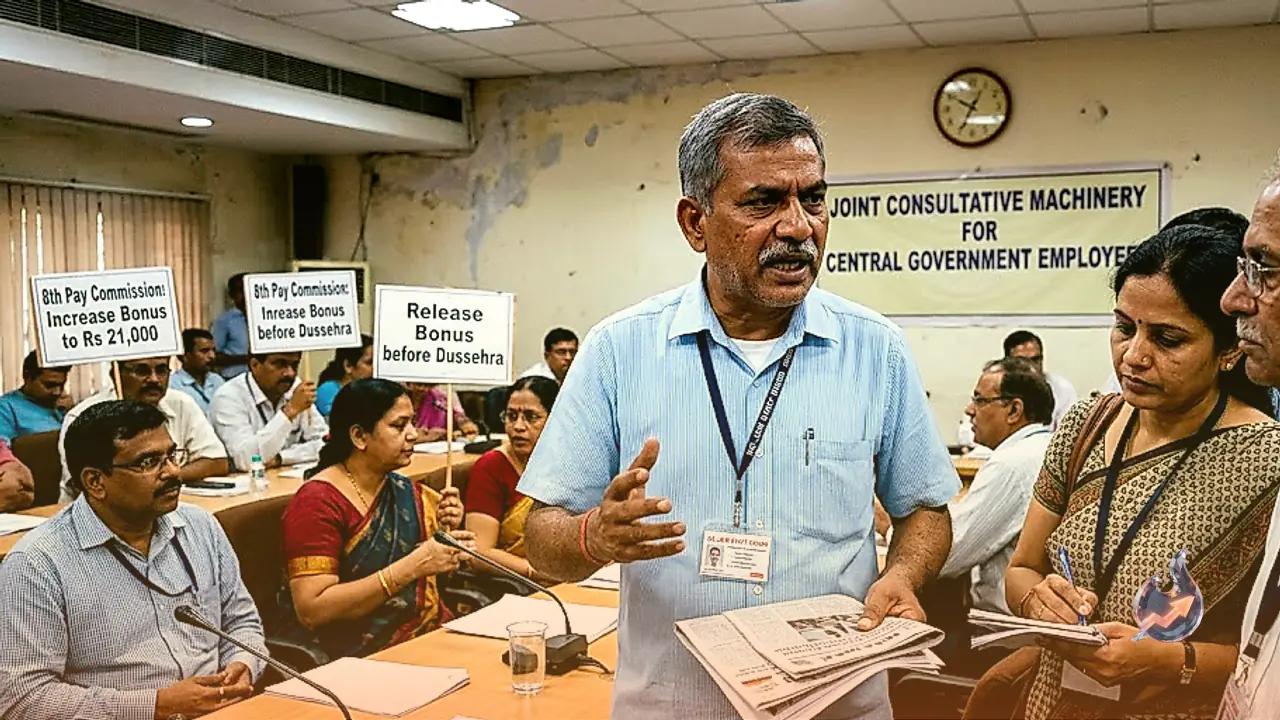





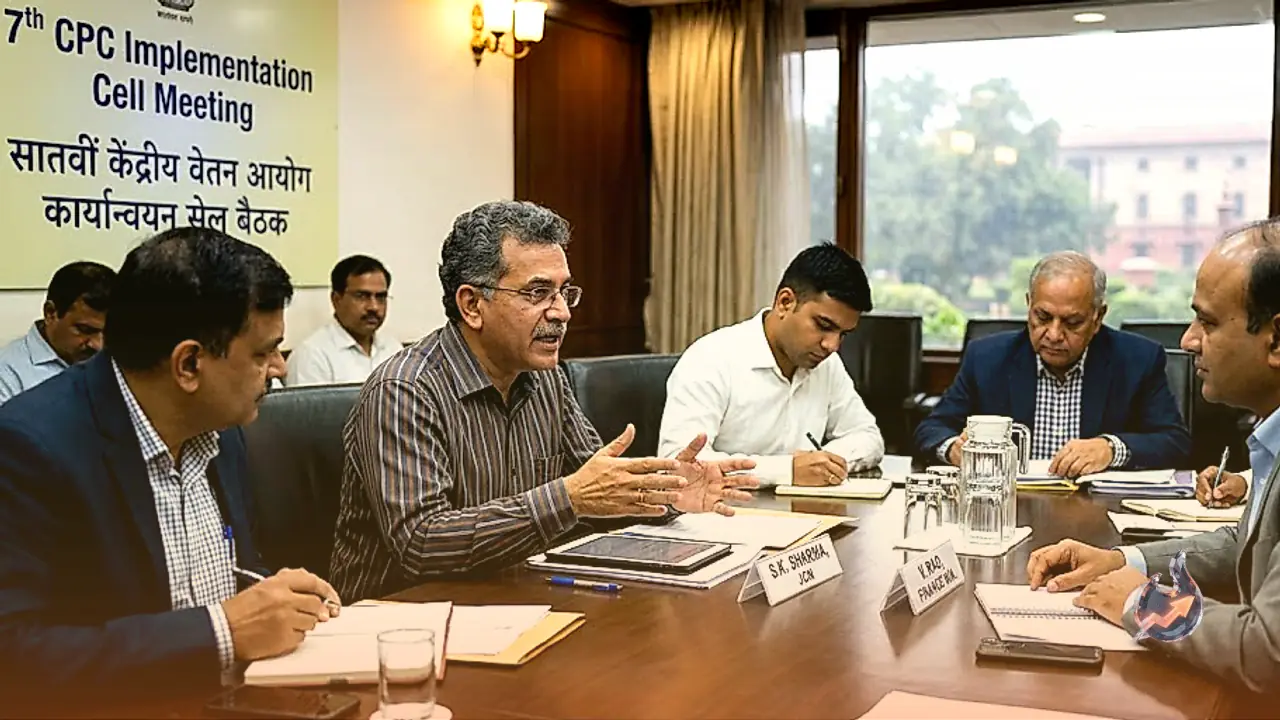
















The 8th Pay Commission has commenced a series of official meetings to listen to and evaluate the demands put forward by various employee unions concerning the upcoming pay matrix recommendations. The opening meeting officially began in Chennai on September 7th, with subsequent consultations scheduled in Puducherry on September 9th, Chandigarh on September 16th, and Bengaluru on October 7th. Numerous labor unions are eagerly anticipating the finalization and implementation of long-awaited recommendations that stand to directly impact more than 1.13 crore central government employees and retired pensioners across the nation.
The Crucial Debate Surrounding the Fitment Factor
Among the primary components awaiting a final decision is the fitment factor under the 8th Pay Commission, which will serve as the core multiplier driving major hikes in basic salaries and pensions. Over the past few months, several employee federations, pension bodies, and financial experts have recommended various fitment factor rates ranging from a conservative 1.92 to a maximum of 3.83. A definitive policy decision on this multiplier remains pending. If the commission ultimately decides to enforce a 1.92 fitment factor, the basic pay for level 1 employees under the revised pay structure will rise by Rs 16,560 to reach Rs 34,560 per month. Under the existing 7th Pay Commission guidelines, the minimum monthly salary and pension stand at Rs 9,000 and Rs 18,000 respectively, figures that are set for a substantial upward revision. Conversely, if the fitment factor is finalized at the higher end of 3.83, the basic pay of a level 1 employee will jump significantly by Rs 50,940, bringing the total to Rs 68,940 per month from the current baseline.
Dearness Allowance and Relief Projections
Both dearness allowance and dearness relief are slated for structural revisions under the newly formed 8th Pay Commission framework. Based on current trends involving the All-India Consumer Price Index for Industrial Workers and established calculation formulas, financial analysts project that DA could likely experience a hike to between 66% and 67% with an effective implementation date of January 1, 2027. Consequently, formal announcements addressing this adjustment are widely anticipated. Dearness allowance functions as a protective financial incentive granted by the government to active personnel and retirees to offset the rising cost of living caused by inflation. These adjustments occur biannually and are computed as a fixed percentage of an employee's basic salary. The specific computational formula for central government workers involves the average of the previous 12 months' index data. The index value itself climbed from 148.6 in January to 153.2 in July of the current year. Assuming the index stabilizes around 153.2 through December, the 12-month average will settle near 151.5, pointing toward an approximate DA rate of 66.91% based on standard calculations.
Bonus Calculation Limits and Pension Demands
Another major point of contention centers on the wage ceiling governing bonus calculations under the 8th Pay Commission. The central government employees body, known as the NC-JCM Staff Side, has formally communicated with authorities, pressing for the bonus calculation ceiling to be raised from the current Rs 7,000 to Rs 21,000 per month for eligible personnel. In the preceding month on August 25, 2026, the Ministry of Labour & Employment issued a notification stating that for bonus computation purposes under relevant legislative sections, wages exceeding seven thousand rupees per month would continue to be capped at that threshold or the minimum wage fixed by the central government, whichever happens to be higher. Simultaneously, a faction within the pensioners' association has urged policymakers to elevate pension calculations to 67% from the current 50% benchmark established under older frameworks, addressing long-standing grievances regarding post-retirement financial security.
Timeline for Implementation and Upcoming Announcements
As these consultative sessions continue through the upcoming month, expectations remain elevated regarding potential major announcements ahead of the Dussehra and Diwali festival seasons concerning the overarching structure of the 8th Pay Commission. Current timelines suggest that the comprehensive recommendations of the 8th CPC are slated for official implementation during the first half of 2027.