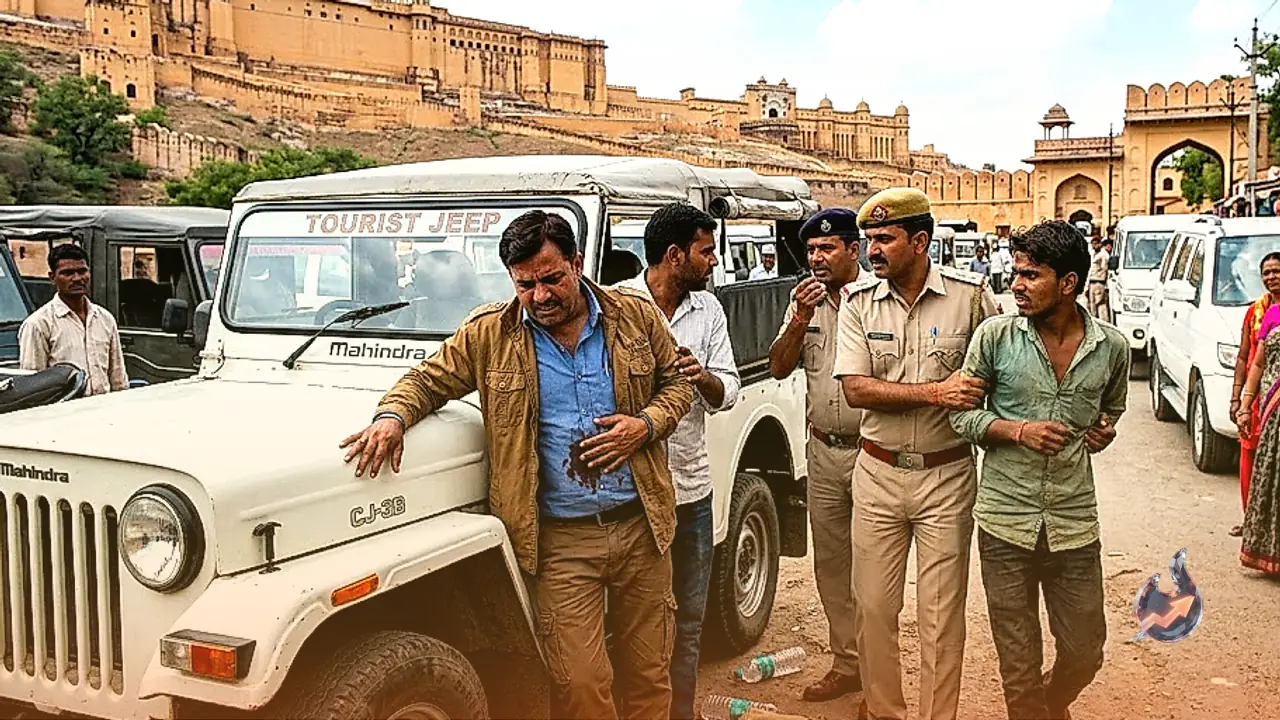






















The grim reality of unemployment often forces qualified individuals to take up jobs far below their educational qualifications. A striking situation has emerged in Rajasthan where young candidates holding degrees like B.Tech, M.Sc., B.Ed., and PGDCA secured positions as class-four peons through a government recruitment drive, only to be assigned manual tasks such as cooking, watchman duties, and sweeping upon joining. Many of these candidates have now raised their voices against these unexpected assignments, staging demonstrations outside the office of the Social Justice and Empowerment Department in Jaipur to demand work commensurate with their status.
Engineering Graduate Assigned Hostel Kitchen Duties
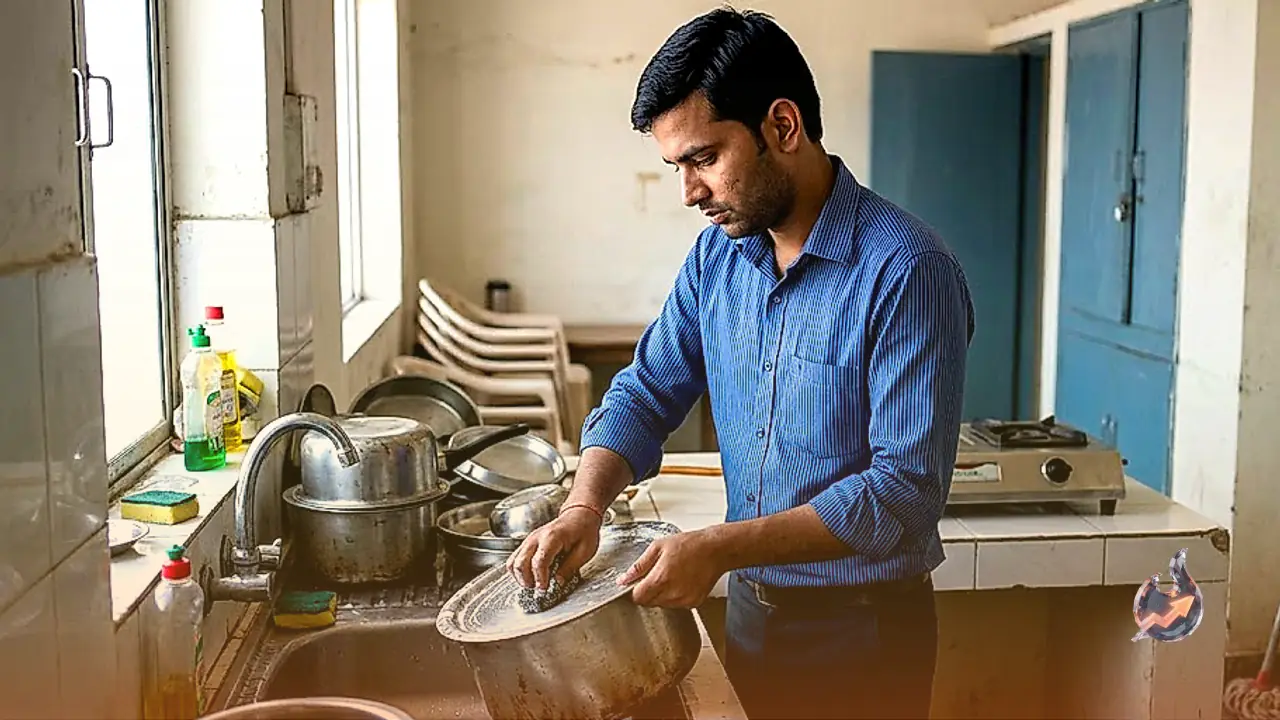
Lokesh completed his B.Tech degree but turned to government job preparations after finding limited prospects in the private sector. When higher-level exams did not yield results, he successfully cleared the class-four recruitment examination. Posted under the Social Justice and Empowerment Department, he was unexpectedly assigned to work as a cook in a hostel. He noted that the recruitment advertisement designated the position as an assistant employee, and he never anticipated having to cook meals. While he continues to prepare for the RPSC programmer exam, he accepted the government post due to financial necessity, though daily cooking remains unmanageable for him.
Struggles of Postgraduates and Trained Teachers
Lokesh is not alone in facing this dilemma, as numerous other qualified candidates shared similar grievances during the protest. Bharat, who holds an M.Sc., B.Ed., and PGDCA, joined the class-four cadre after failing to secure a suitable professional role. Similarly, Jagdish गुर्जर had completed his M.A. and B.Ed. while preparing for teaching positions, but opted for this lower-tier job amid prolonged delays in teacher recruitment cycles. He also pointed out that while other staff members observe a five-day work schedule, they are being made to work all seven days. In Alwar, B.Ed. degree holders Dinu and Lalita find themselves in a comparable predicament, currently working as cooks in the social welfare department despite aspiring for teaching careers.
Discrepancy Between Advertisement and Reality
The recruitment drive in question filled roughly 53,000 class-four vacancies in Rajasthan after a long hiatus. A significant number of candidates who had spent years preparing for competitive exams ranging from third-grade teacher tests to civil services participated in the process. Following appointments, various departments utilized the personnel according to their immediate internal requirements. Hostels under the social justice department deployed these peons to fill vacant cook and watchman slots, while reports also surfaced of health department offices utilizing selected candidates for sweeping duties and ward boy tasks.
Protesting workers questioned why the official recruitment advertisements failed to mention that selected candidates might be deployed as cooks, watchmen, or sanitation staff. They argued that specialized culinary roles typically require distinct qualifications and prior experience, making the sudden transition of administrative staff into kitchen workers unjustifiable. This situation highlights both the severe employment pressures faced by young job seekers in the state and the systemic gaps in government job placements.