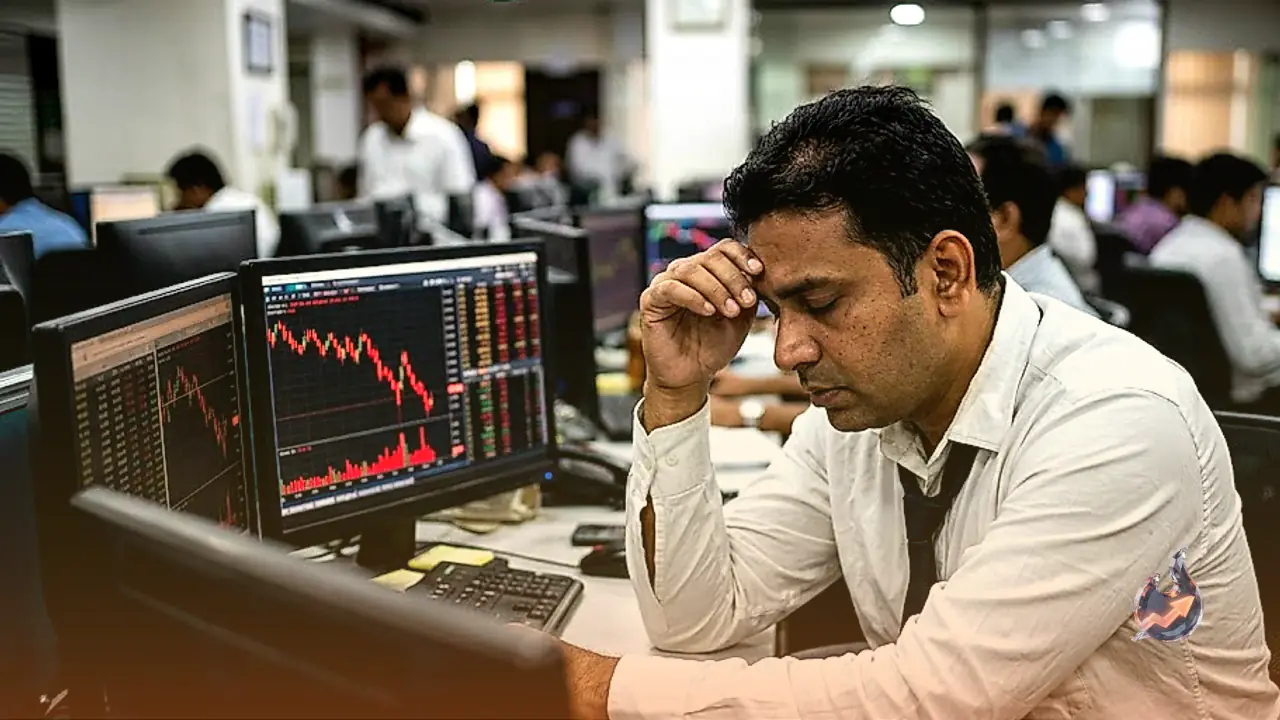
























When earnings arrive at the beginning of the month in Sultanpur, individuals often make elaborate spending plans, yet within days, bank accounts and wallets begin to empty. Household expenses, grocery items, utility bills for electricity and water, online shopping, and daily minor necessities drain funds without people even realizing it. Frequently, despite decent earnings, individuals face financial crunches by the final week. If you experience similar struggles, altering your spending habits allows you to manage your income much more efficiently.
Prioritizing Savings Before Expenses
Chartered accountant Manmohit Singh explained to Local 18 that most people think about saving whatever money is left over at the end of the month. However, this approach rarely yields substantial savings. Therefore, one must cultivate the habit of setting aside at least 20 percent of their salary immediately upon receipt. This money can be kept as an emergency fund, preventing financial distress during sudden expenses. Subsequently, a monthly budget should be prepared using the remaining amount after listing essential household needs.
Monitoring Digital Payments and Small Outlays
In the present era, executing payments via UPI has become exceptionally simple. People frequently spend money without hesitation on tea, snacks, online orders, and minor purchases. Due to a lack of attention toward these outflows, small amounts accumulate into a major expense by month-end. Consequently, tracking every single UPI transaction is essential. Furthermore, by identifying unnecessary expenses at the very beginning of the month, distinct spending limits ought to be established for essential and non-essential items.
Automating Investments for Financial Discipline
Rather than relying solely on personal willpower for saving, planning ahead is equally crucial. On the day following payday, setting up an auto-debit facility for recurring deposits or mutual fund SIPs can be initiated. This ensures that the designated savings amount separates automatically, reducing the likelihood of squandering it unnecessarily. Nevertheless, evaluating one's financial standing and risk tolerance before investing remains necessary.
Limiting Cash and Removing Saved Card Details
Additionally, carrying excessive cash in one's wallet or keeping multiple debit cards active can also accelerate frivolous spending. Under such circumstances, keeping only the required amount of cash in the wallet proves wiser. Erasing saved card credentials from online shopping applications also helps curb impulsive purchasing habits effectively.
Achieving Stability Through Structured Budgeting
By establishing a budget at the start of the month and striving to keep every expense within defined limits, financial health improves. Embracing these modest yet impactful habits not only enhances savings but also averts the shortage of funds during the closing days of the month.