























Surging global crude oil prices and heightened expectations of further interest rate hikes by the US Federal Reserve triggered a heavy sell-off in precious metals on October 23, 2026. On India's Multi Commodity Exchange (MCX), both gold and silver traded under heavy pressure, with silver suffering the worst decline to hit its lowest level in almost a year. Spot markets worldwide mirrored the downturn as investors reassessed the macroeconomic landscape amid persistent energy crisis concerns.
Sharp Sell-Off in Gold and Silver Across Global and MCX Markets
In the international spot markets, gold traded near $4,015 per ounce, hovering dangerously close to the psychological threshold of $4,000 per ounce. Spot silver witnessed an even sharper collapse, sinking below $54 per ounce to mark its lowest valuation since November 2025. On Thursday, international silver had plummeted by over 5% in a single session due to escalating fears regarding global growth and sustained high interest rates.
On the domestic front, overnight trading on the MCX saw silver prices break below the ₹2 lakh per kilogram mark for the first time since December 2025. Meanwhile, MCX gold attempted to steady around the ₹1.43 lakh mark. However, pressure resumed during the opening bell on October 23. MCX silver opened with a steep gap down near ₹196,590 and traded around ₹196,050, down 1.78%, extending its fall below the critical ₹200,000–₹202,000 support zone. During intraday trade, silver sank to a low of ₹1,92,800 per kilogram before consolidating near ₹1.95 lakh, marking an overall loss of nearly ₹4,550 or 2.3%.
MCX gold futures also opened weaker with a gap down near ₹142,060 before recovering marginally to trade around ₹142,450, down 0.60%. Gold hit an intraday low of ₹141,806 per 10 grams, recording a drop of almost ₹1,300 or 0.9%. The decline was largely driven by international spot gold sliding closer to the $4,000 per ounce level.
Rising Crude Oil Prices and Geopolitical Tensions Weigh on Metals
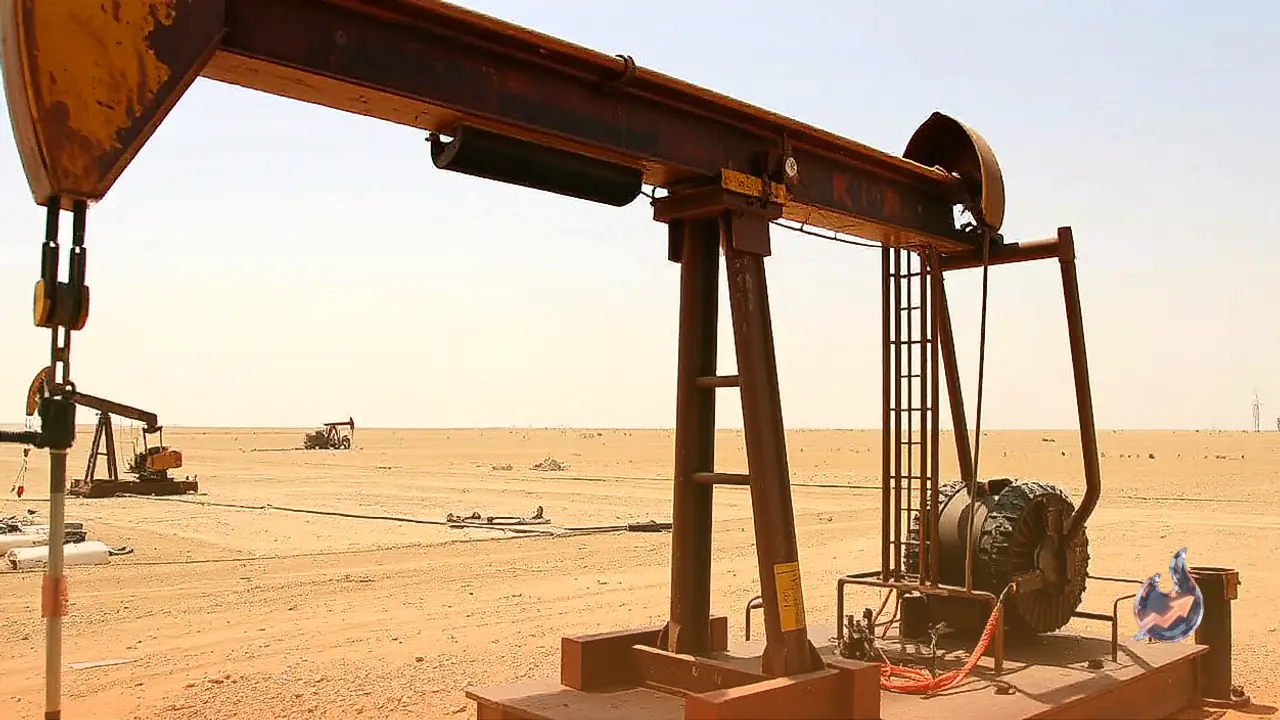
The primary catalyst behind the sharp drop in precious metal valuations is the surge in global crude oil prices. Ongoing conflict in West Asia has reignited aggressive buying in energy markets. US WTI crude oil jumped 1% to cross the $100 per barrel mark, while Brent crude climbed near $114 per barrel. This surge in oil has revived worries over inflation and an ongoing energy crisis.
With elevated energy costs threatening to keep inflation high, financial markets increasingly anticipate another interest rate hike by the US Federal Reserve next week. Higher interest rates enhance the yield on US Treasuries and strengthen the US Dollar, thereby reducing the investment appeal of non-yielding assets such as gold and silver. As investors shift capital into dollar-denominated assets and yielding instruments, precious metals face sustained downside momentum.
In-Depth Technical Analysis for Silver
Providing technical commentary on the markets, Ponmudi R, CEO of Enrich Money, highlighted that MCX silver has decisively breached its key support band of ₹200,000–₹202,000, turning that zone into immediate resistance. The next layer of technical resistance is positioned between ₹206,000 and ₹208,000.
On the downside, initial support for silver rests at ₹192,000–₹194,000, with a deeper secondary support zone located between ₹183,000 and ₹185,000. Key technical indicators reflect significant weakness: the Relative Strength Index (RSI) stands near 24, deep in oversold territory, while the Moving Average Convergence Divergence (MACD) remains below its signal line. Ponmudi R noted that while an oversold RSI indicates extreme selling, it alone cannot guarantee a trend reversal, and silver needs to sustain a move back above ₹200,000–₹202,000 to stabilize.
Technical Outlook for Gold and the Role of Rupee Depreciation
Analyzing gold, Ponmudi R observed that MCX gold is outperforming domestic silver and experiencing smaller percentage losses than COMEX gold. This relative strength stems from silver being disproportionately exposed to concerns over weakening industrial demand and broader global economic slowdowns.
Technically, the ₹143,000–₹143,700 band on MCX gold has shifted from support to immediate resistance, followed by ₹145,300–₹146,000. Downside support is identified at ₹140,000–₹141,000, with a breach potentially exposing the metal to ₹137,500–₹138,300. Gold's RSI sits near 32, approaching oversold levels, while a widening negative MACD histogram points to persistent bearish momentum.
Meanwhile, weakness in the Indian Rupee provided a partial buffer for domestic gold prices. On Thursday, the rupee depreciated by 0.4% against the US Dollar to trade around 94.82. Because a weaker rupee increases the landed cost of imported bullion, it cushioned domestic gold contracts from reflecting the full extent of international price declines.
Performance of Other Commodities on the MCX
Broader commodity trends on the MCX were mostly negative on October 23, with most metals trading under notable pressure. Copper and crude oil were the rare gainers, rising by 0.2% and 0.7% respectively.
Conversely, silver and natural gas suffered the sharpest declines, each falling by 2%. Cardamom futures dropped 0.5%, while gold, zinc, and lead registered losses ranging between 0.4% and 0.9%, pointing to widespread risk aversion across the commodities space.