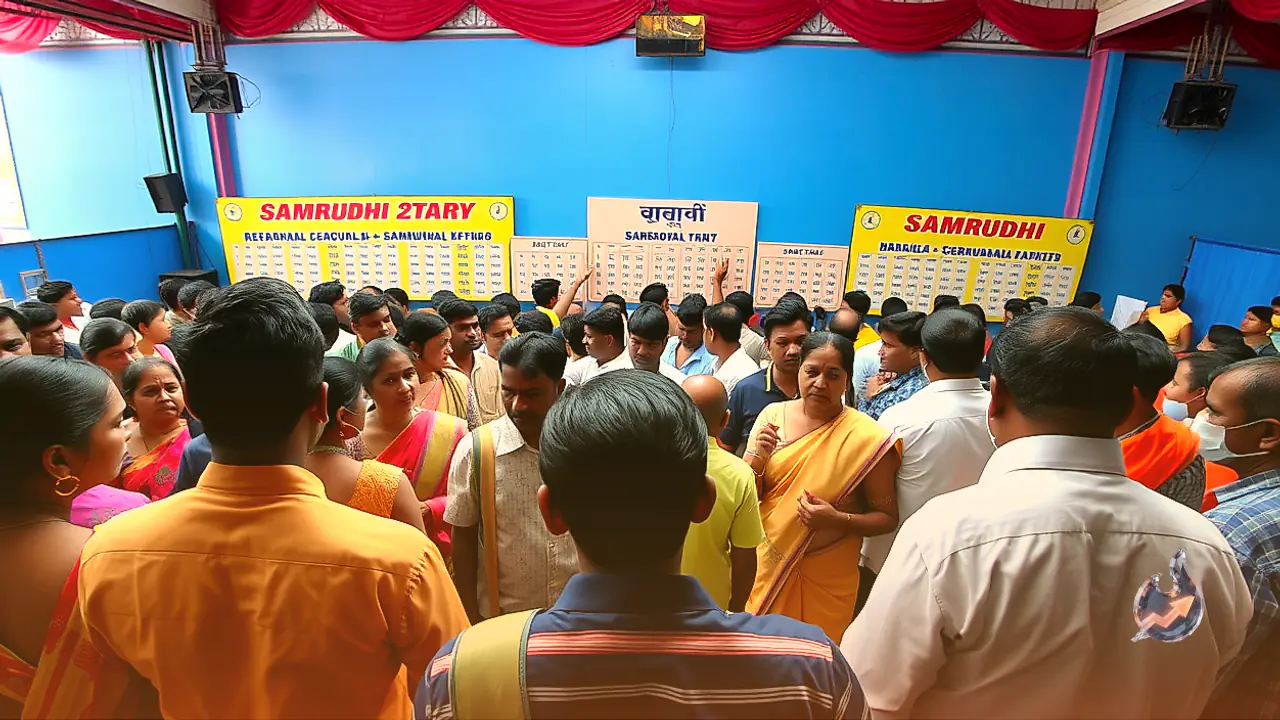





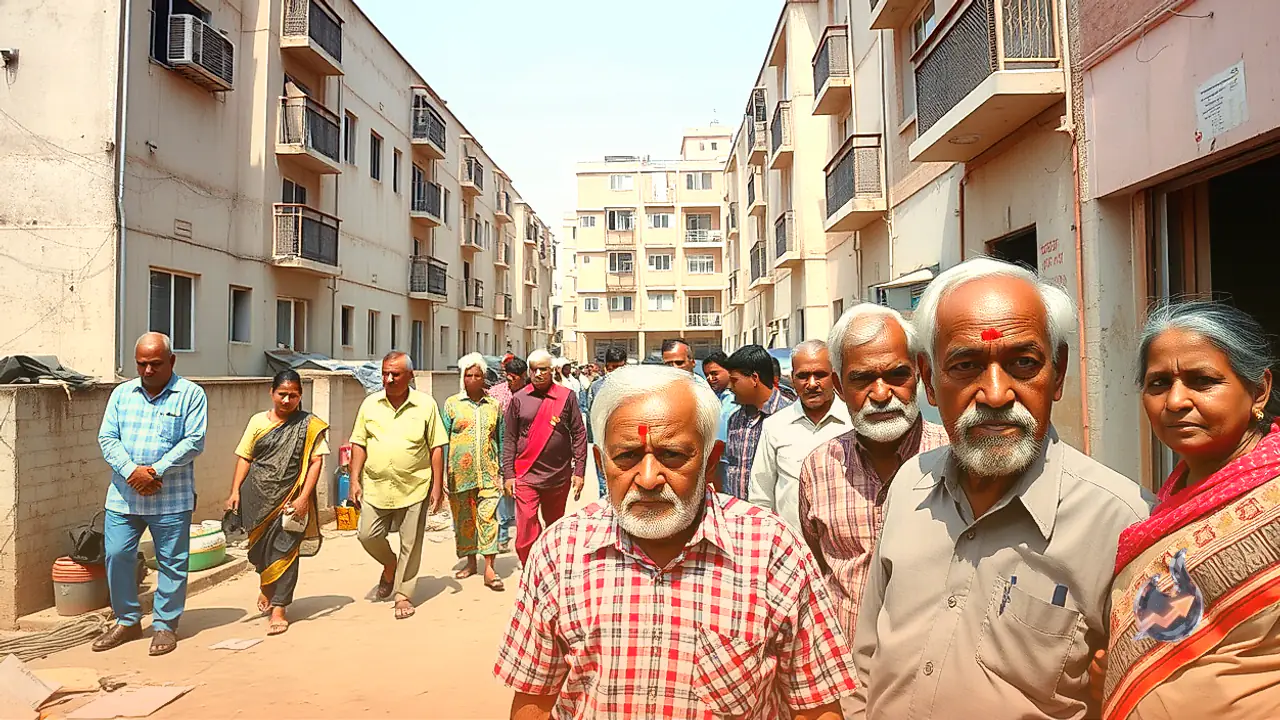
















Planning the years that follow retirement is an essential milestone for every working professional, yet it frequently brings along significant dilemmas regarding where to settle down. Older adults often find themselves weighing the pros and cons of staying in an independent apartment, moving back to an ancestral property in a native village, or shifting into a specialized senior living township. When adult children move abroad for work or relocate to different cities within the country, the pressing concern of daily care and emergency medical oversight becomes even more acute for ageing parents.
This circumstance reflects the reality of countless households across India today. The fundamental dilemma goes well beyond merely choosing between one's existing family home and a dedicated retirement community. The decisive question is whether their living arrangement can guarantee personal autonomy, top-tier healthcare, reliable security, active social interaction, and emotional well-being over the coming 20 to 30 years, particularly when family members cannot arrive immediately during an unexpected medical emergency.
Demographic Shifts and India's Growing Senior Population
The urgency behind this transition is underlined by demographic projections. According to the Senior Living Report 2025 by JLL Association of Senior Living India, the elderly demographic in India stood at 15.67 crore individuals in 2024. This number is projected to expand significantly to approximately 34.6 crore by 2050. The interplay of increasing longevity, shrinking nuclear families, and the migration of children to overseas destinations has made post-retirement living a primary consideration for urban families. Consequently, the concept of dedicated senior living communities is witnessing rapid adoption in metropolitan hubs such as Delhi-NCR.
A significant number of senior citizens are financially self-reliant and remain deeply attached emotionally to their residential properties. Nonetheless, managing regular household maintenance, coordinating domestic helpers, scheduling frequent medical consultations, and navigating sudden emergencies become progressively taxing as physical stamina wanes with age.
Health Vulnerabilities and Day-to-Day Maintenance Pressures
Findings from the Longitudinal Ageing Study in India, conducted under the Ministry of Health and Family Welfare, indicate that the risk of enduring chronic ailments rises sharply past the age of 60, creating an ongoing requirement for sustained monitoring and dedicated care. Deciding where an elderly individual should reside is therefore not merely a question of routine comfort, but an essential factor in ensuring long-term well-being and personal safety.
Ankur Gupta, Joint Managing Director at Ashiana Housing, points out that contemporary senior citizens are not merely looking for physical shelter in their retirement years. Instead, they seek an unencumbered lifestyle where they can lead balanced, self-directed lives entirely on their own terms. Retirement is increasingly viewed as an invigorating fresh phase of life, offering the time to pursue personal hobbies, pick up new skills, forge genuine friendships, stay connected with community members, and approach every single morning with renewed purpose. When household upkeep, security protocols, and routine administrative duties are managed by an on-site professional team, residents can focus entirely on enjoying their leisure hours and engaging in creative pursuits.
For families whose children are settled overseas, this model offers immense peace of mind, knowing that elderly parents are residing within a secure, professionally supervised environment with absolute dignity. As Gupta explains, the core vision of senior living extends beyond physical accommodation, serving as an avenue to lead an active, self-reliant, and joyful post-retirement existence.
Inside the Operations of Modern Senior Living Communities
The senior living developments emerging today differ fundamentally from historical care homes or basic shelters. These spaces are intentionally built to cater to older individuals who wish to lead vigorous, independent lifestyles. Enhanced medical infrastructure, higher life expectancies, and systematic financial planning have empowered modern seniors to travel, explore fresh interests, meet new peers, and preserve their self-respect well after retirement. Such residential communities are specifically crafted for people aged 60 and above.
These contemporary complexes integrate private residences with round-the-clock medical monitoring, urgent emergency response mechanisms, nutritious dining services, housekeeping, entertainment options, and structured social interactions. Their primary goal is not to impose restrictions on personal freedom, but to alleviate the persistent friction of daily chores and logistical headaches.
Practical Hurdles of Staying in Conventional Apartments
Industry analysts observe that while living in an independent apartment or bungalow remains an intuitive emotional preference, immediate assistance during emergencies and consistent daily oversight are much higher priorities in later years. In the absence of a reliable co-living caregiver, traditional flats fail to provide the daily operational support system that ageing individuals require. Sourcing urgent medical intervention on short notice remains an uphill battle in standalone buildings, explaining the sharp rise in demand for organized retirement enclaves.
Anantharam V. Ayyur, Co-founder of Manasum Senior Living, emphasizes that while older adults want the autonomy to live by their personal preferences, they must also have immediate access to credible healthcare and hands-on assistance whenever required. He notes that children living overseas derive immense psychological comfort from knowing their parents are part of an inclusive community that balances personal independence with institutional care.
Key Drivers Behind the Surge in Retirement Enclaves
Social isolation has evolved into one of the most formidable hurdles confronting older individuals today. In conventional setups, children living abroad would independently hire domestic staff, cooks, private drivers, and medical attendants for their ageing parents. Remotely managing household groceries, timely medicine refills, and ad-hoc domestic needs from across the world was inherently stressful. In contrast, residing within a reputable senior living facility consolidates all these essential conveniences under a single operational umbrella. This streamlined approach simplifies day-to-day life and often lowers aggregate household expenditures.
All too often, families postpone evaluating long-term living options until a severe medical crisis or physical accident forces their hand. In contrast, residing in a purpose-built senior community simplifies emergency interventions and guarantees superior crisis care. When selecting residential arrangements for elderly relatives, proximity to tertiary hospitals, access to specialist doctors, robust emergency infrastructure, certified caregivers, elder-friendly universal design, and long-term physical requirements must remain top evaluation criteria.