






















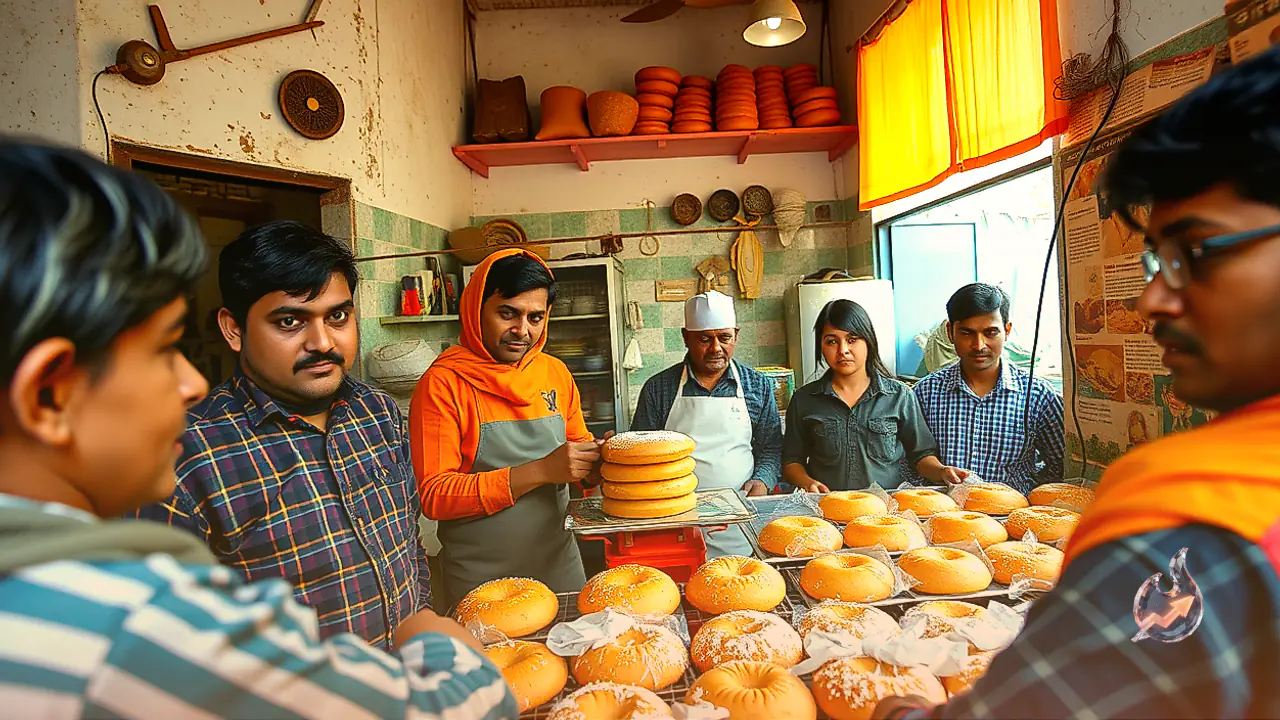

Operating a home bakery has emerged as one of the most lucrative and rewarding small-scale business ventures in the modern culinary space. Across India, the baking landscape has witnessed substantial transformation over the past 10 years, making it an opportune time for culinary enthusiasts to turn their culinary talents into viable livelihoods. Crafting delectable cookies, artisan cakes, cupcakes, and varied sweet treats demands a blend of refined kitchen craftsmanship, sound commercial acumen, and authentic dedication. Aspiring bakers must carefully evaluate their technical proficiency alongside their readiness to handle the rigorous demands of managing day-to-day operations.
Capital Outlay and Procuring Foundation Equipment
Genuine culinary enthusiasm must be anchored by practical market awareness to ensure commercial longevity. Entrepreneurs need a solid grasp of consumer tastes, prevailing market patterns, and core financial principles. The preliminary investment required to establish the setup centers on acquiring dependable machinery such as an oven, a commercial mixer, appropriate molds, and raw baking ingredients. This entire initial apparatus can be comfortably secured within an approximate budget of 1 lakh rupees, keeping startup barriers remarkably manageable.
Regulatory Compliances and Operating Permits
Before donning an apron and turning on the oven, prospective bakers must resolve the necessary statutory and legal requirements. Operating a commercial kitchen within a residential premise is subject to local authority rules, and several states mandate securing a dedicated business license. Furthermore, depending on the particular state and health authority regulations, operators may be required to obtain an official food manager license from the relevant health agency to ensure compliance with hygiene and safety benchmarks.
Workplace Organization and Specialized Utensils
Once the intended production schedule and recipes are finalized, putting the entire assembly setup in place becomes straightforward. A seamless kitchen workflow demands having all ancillary tools ready at hand, including piping bags, decorating tips, cupcake wrappers, assorted cake tins, and different muffin molds. Alongside securing these tools, setting aside a dedicated, hygienic, and well-organized storage area within the house is critical to house supplies and maintain clean handling conditions.
Refining Culinary Skills and Menu Design
A diversified and thoughtfully planned product catalog serves as the cornerstone of customer retention. Beginners are best advised to start with foundational items that they have mastered through direct personal experience and regular practice. From that dependable base, bakers can steadily refine their craft by attending specialized baking workshops and training sessions. Upgrading technical skill allows for introducing newer cake recipes and distinct bakery assortments over time. A neatly arranged menu card makes it convenient for patrons to browse the available collection and submit orders smoothly.
Packaging, Distribution Channels, and Marketing Outreach
With recipes standardized and kitchen equipment in place, structured advertising and promotional initiatives become the primary engine of business expansion. High-grade packaging paired with dependable order fulfillment creates instant consumer trust. The distribution journey typically starts with immediate neighborhood deliveries and gradually expands onto mainstream digital delivery aggregators. Setting up display stalls at regional farmers markets can generate immediate local buzz, while publishing sharp photographs and engaging video clips of beautifully iced cakes and pastries across visual platforms like Instagram helps secure a growing follower base.