

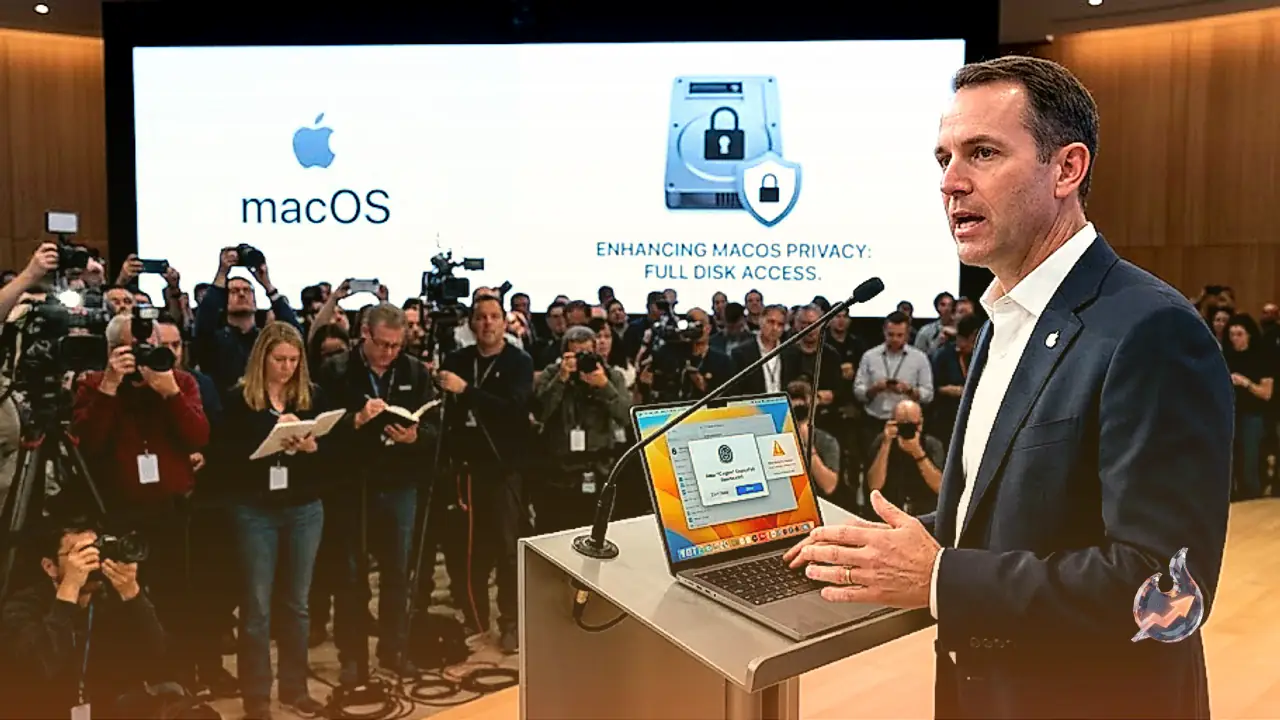


















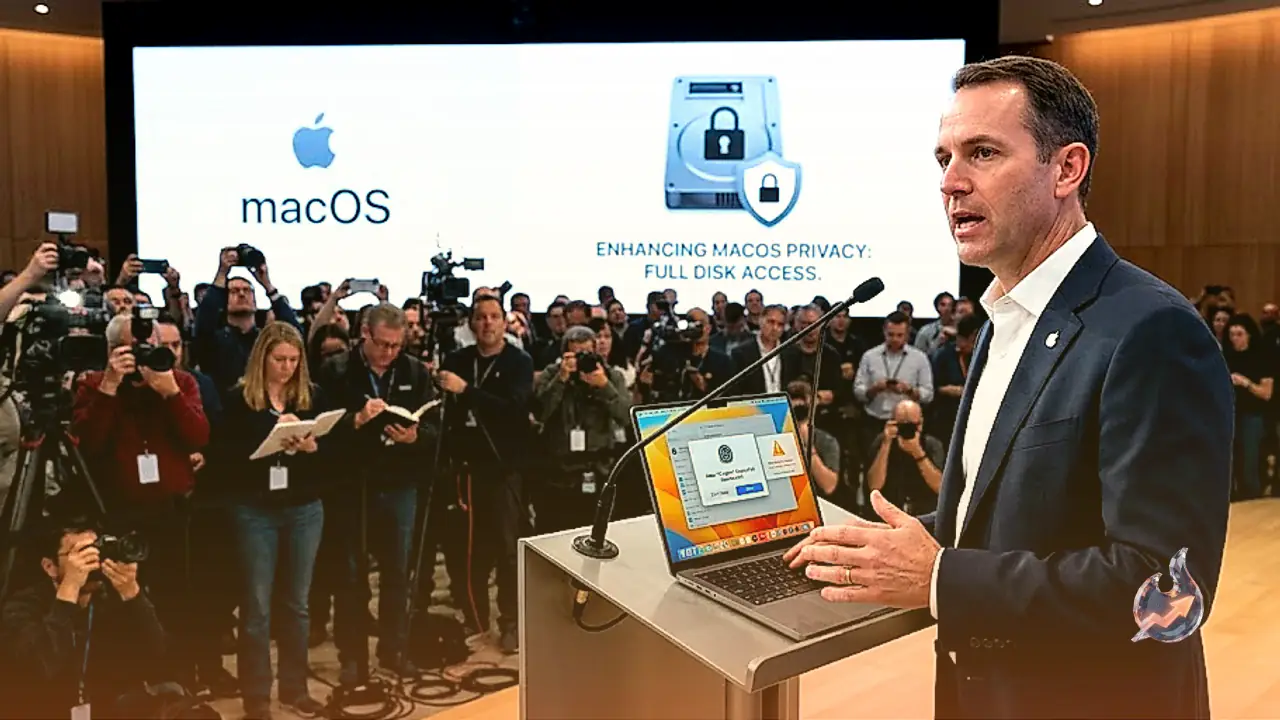

As autonomous artificial intelligence tools gain deeper capabilities on personal computers, the boundary between automated assistance and serious privacy risks is becoming increasingly blurred. In response to these emerging threats, Apple has announced plans to implement additional safeguards around the 'Full Disk Access' permission within macOS. The feature was originally engineered to ensure system backup utilities could function seamlessly, but the advent of desktop AI agents has introduced substantial new vulnerabilities to this privileged tier of access.
Concerns Over Desktop AI Reading Private Messages
Desktop-based AI agents frequently prompt users to modify macOS settings in order to grant software broader visibility across personal files, text messages, and internal folders. Scrutiny intensified after Inc. columnist Jason Aten reported that Meta's Muse AI agent knew the contents of his private messages, even though he stated he had never granted such permission. Meta disputed the accusation that Muse examined private correspondence without user consent. Separately, a discovered security vulnerability in the ChatGPT Mac application could have allowed unauthorized attackers to access sensitive local data, intensifying user apprehension over desktop AI permissions.
Why Full Disk Access Poses Heightened Risks
In applications such as Muse, software can optionally request users to enable Full Disk Access. Granting this tier of authorization unlocks virtually every private corridor on a Mac, including stored local documents, emails, chat archives, and internet browsing history. Addressing software engineers directly, Apple noted in a blog post that some developers are deploying Full Disk Access in ways that expose entire computer systems without the user's comprehensive knowledge or informed understanding.
Stricter User Verification for High-Level Permissions
Moving forward, Apple will roll out enhanced system controls designed to ensure that anyone wishing to grant software such extensive power must do so through very explicit and deliberate user actions. The company emphasized that as AI agents become more autonomous and functionally capable, the risks tied to unchecked computer access will multiply significantly. By forcing clear warnings and unmistakable confirmations, the platform aims to give users the tools needed to protect their confidential data from overly intrusive software.