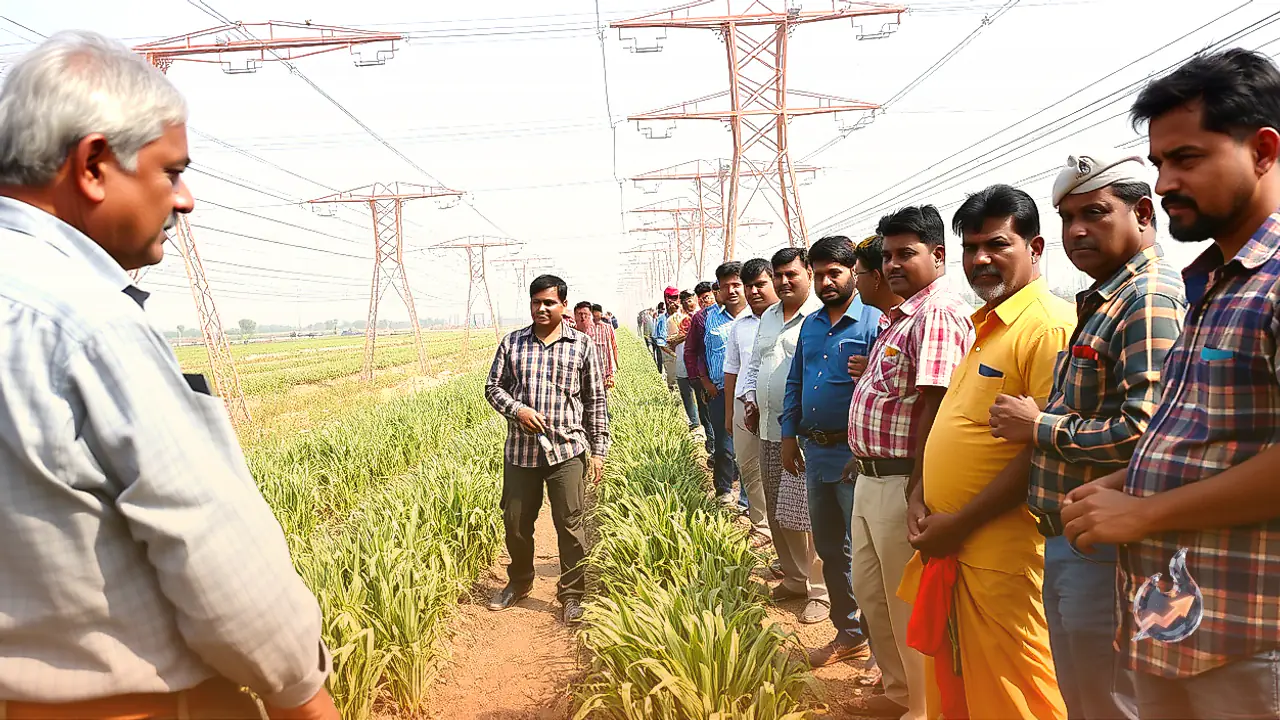























A sluggish monsoon and extended dry stretches during the current kharif season had triggered severe anxieties among rural cultivators, but guar cultivation has stepped in as a resilient lifeline. Across the agrarian expanse of Nagaur, guar sowing covered an estimated 50 to 55 percent of total cultivable land this year. With the crop fully matured, field operations involving manual harvesting and machine threshing have gathered full momentum. Smallholder farming families can be seen working collectively to gather the stalks, while operators of larger holdings are deploying heavy agricultural machinery and threshers to process the harvest rapidly.
Dry Spells Balanced by Timely Retained Soil Moisture
During the early germination stages, inadequate rainfall had sparked widespread distress regarding crop survival. Precipitation remained notably deficient through the monsoon months, frequently disrupted by protracted intervals of dry weather. However, scattered showers received at critical vegetative intervals managed to conserve crucial moisture reserves deep inside the soil bed. This periodic hydration allowed the hardy guar plants to withstand arid spells and progress to healthy maturity, ultimately aligning final field yields with the realistic targets cultivators had hoped to salvage.
Yields Touching Two to Three Quintals per Bigha
Output levels touching 2 to 3 quintals per bigha have become the primary source of economic reassurance for local growers. Farming communities note that plots receiving timely brief downpours and retaining subsurface dampness produced substantially fuller pods. Actual agricultural yields invariably hinge upon soil quality, precise sowing schedules, exact rain volumes received, and local micro-climatic patterns. Where these parameters remained favorable, cultivators are realizing 2 to 3 quintals per bigha, dispelling early gloom caused by the weak rainy season.
Mandi Quotations Hovering Around 6400 to 6500 Rupees
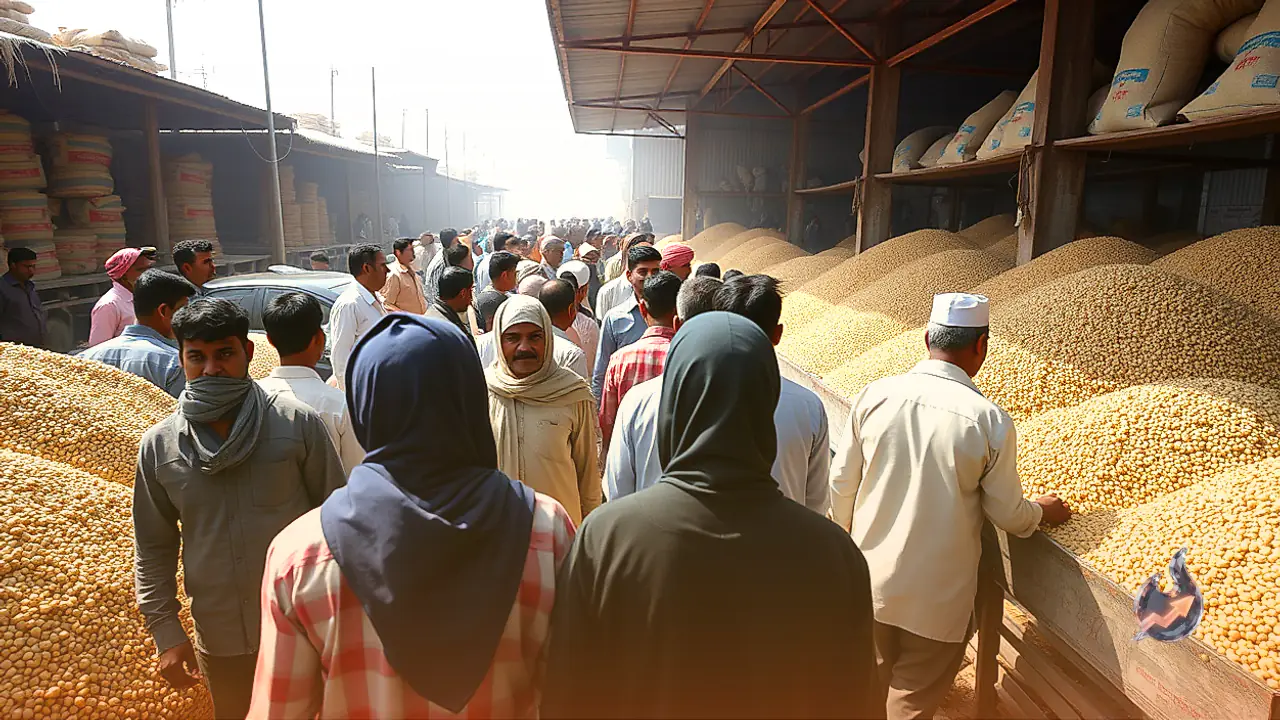
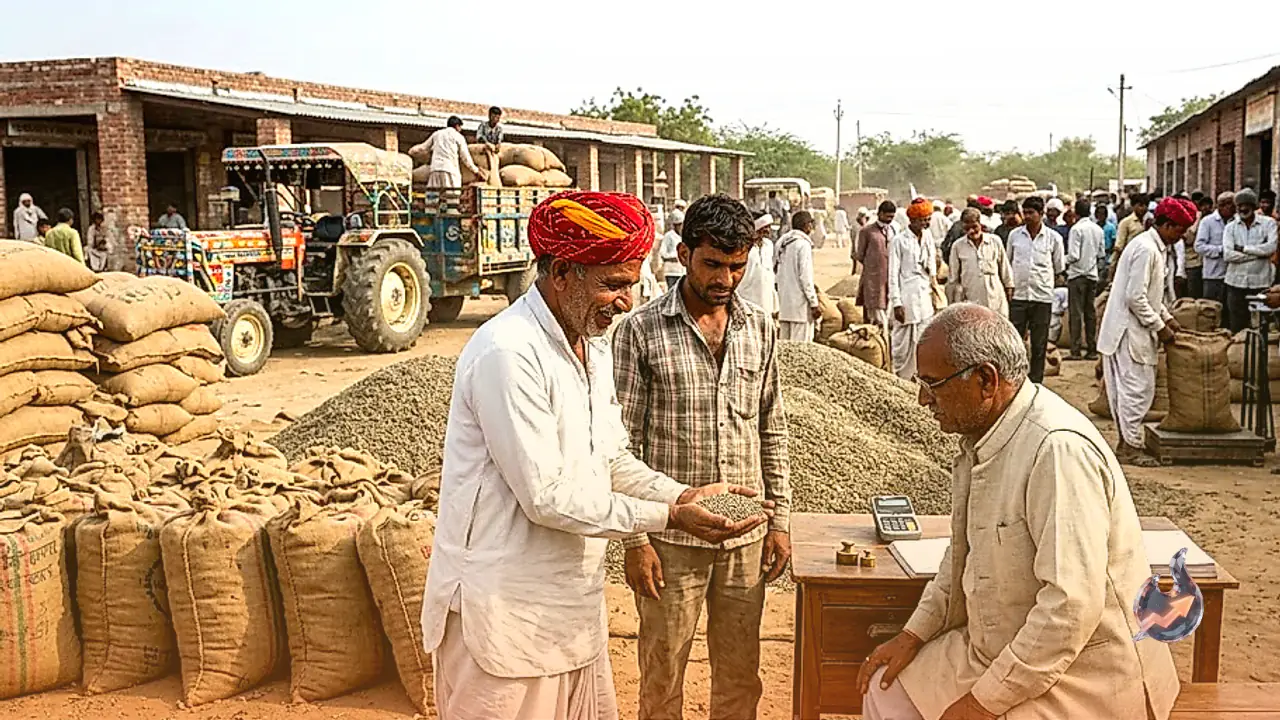
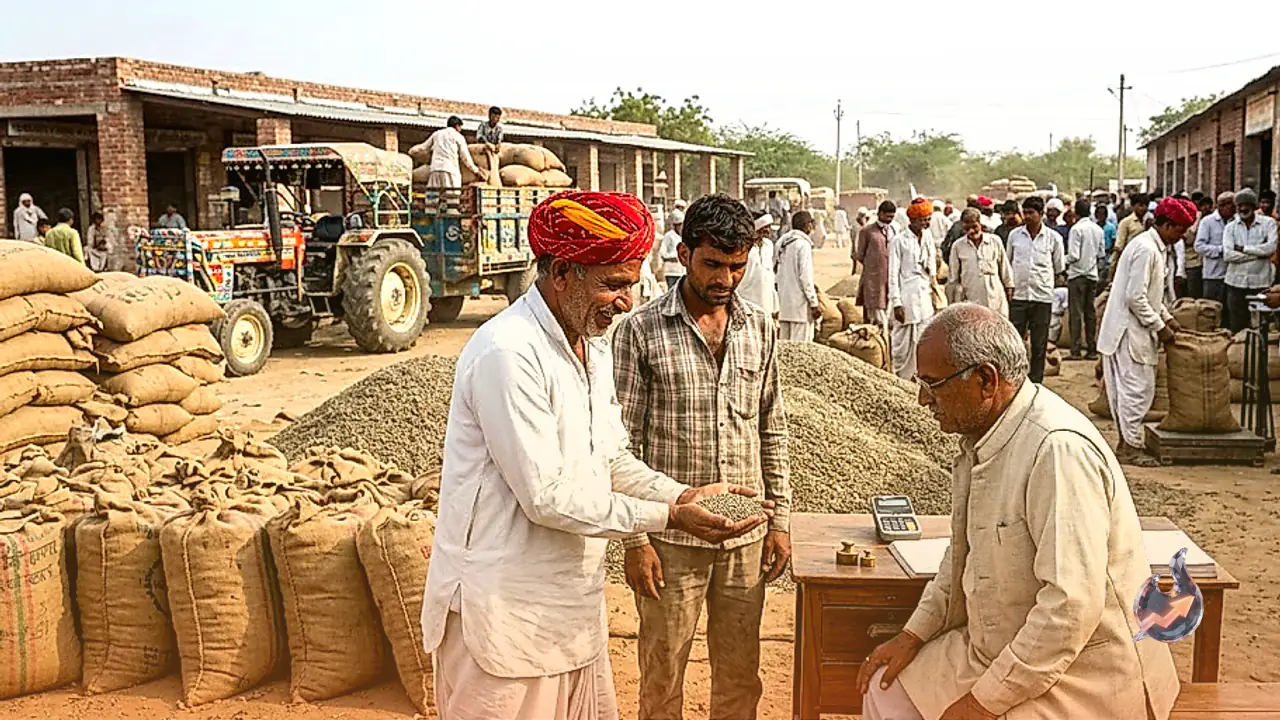
Beyond satisfactory production volumes, prevailing trading prices across regional commodity markets are offering substantial financial comfort. In local agricultural mandis, guar lots are commanding rates between 6400 and 6500 rupees per quintal. Raising a crop entails continuous capital outlay on high-grade seeds, field tilling, sowing, manual weeding, harvesting, and mechanical threshing. With market rates sustaining near 6500 rupees per quintal, growers are confident not just of recovering total input costs, but also of taking home a respectable net profit margin.
Low Moisture Tolerance Acts as a Critical Risk Hedge
In rain-scarce territories, cultivators view guar as a dependable hedge against climatic vulnerabilities. Thanks to its intrinsic drought tolerance, guar can yield viable grain with minimal water supply, although prolonged complete droughts or severe weather anomalies can still suppress yields. In Nagaur, the rain deficit failed to destroy the standing crop entirely. Consequently, farmers who witnessed severe distress across other sensitive kharif crops have found dependable salvage value through guar cultivation.
Field Harvesting and Threshing Shift into High Gear
With fields ready for harvest, village communities begin fieldwork at dawn. Groups of family laborers and hired hands cut the mature plants by hand, creating neat piles across the fields, while tractor-mounted threshers extract clean seeds nearby. Once separated, the guar seeds are cleaned, packaged, and transported directly to nearby regulated markets. The proliferating piles of harvested crop dotting the rural terrain mark the concluding phase of this kharif agricultural cycle.
Nutritious Fodder Supplies Livestock Beside Cash Returns
The utility of guar extends well beyond marketable grain into the domain of rural animal husbandry. The fibrous residue and husks remaining after threshing serve as protein-rich livestock fodder. Given that most agricultural families in Nagaur simultaneously manage dairy animals and domestic cattle, harvesting guar secures a bountiful supply of quality dry fodder right at the farm gate. A widespread sowing acreage of 50 to 55 percent, robust yields of 2 to 3 quintals per bigha, and firm market prices of 6400 to 6500 rupees per quintal have firmly positioned guar as a pillar of economic resilience this season.