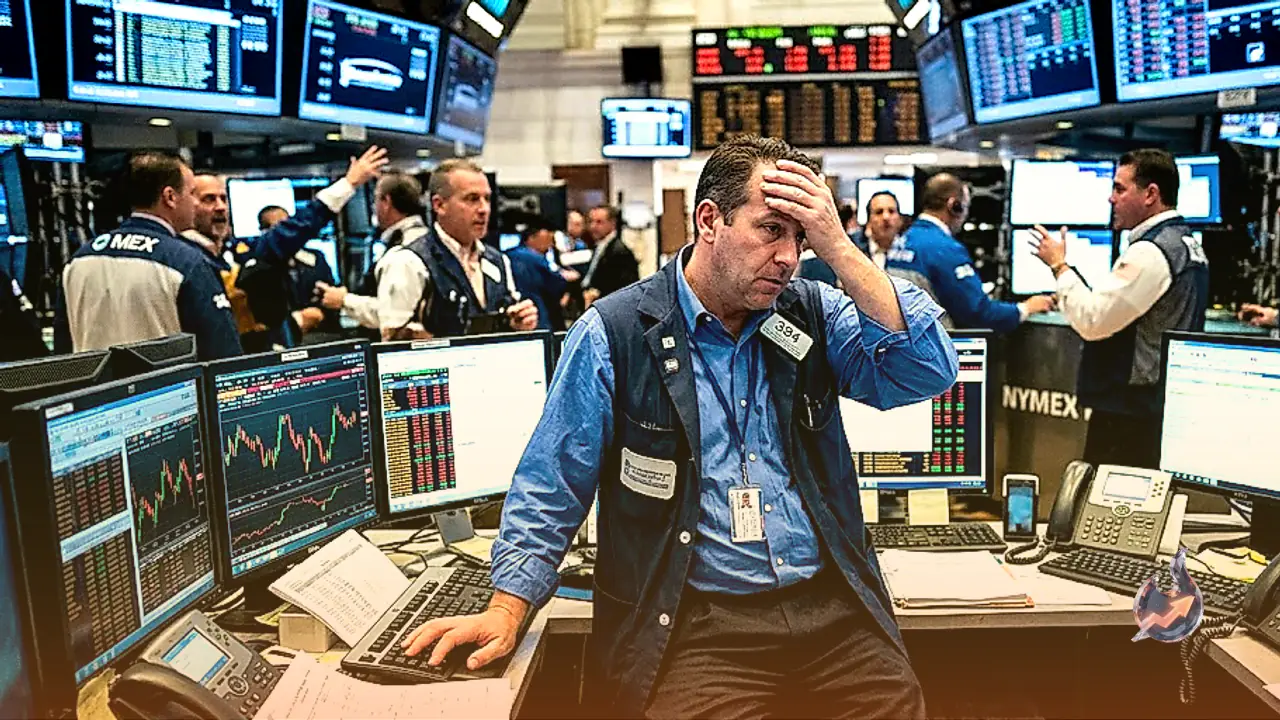

























Precious metals remain under persistent downward pressure as silver surrendered its prior-day gains to linger near two-month lows. During Asian trading hours on Tuesday, silver (XAG/USD) changed hands around $60.70 per troy ounce. While softer employment data out of the United States and diminishing expectations of an October interest rate hike by the Federal Reserve offered transient support, surging Treasury yields alongside a buoyant US Dollar continue to overshadow these underlying drivers.
Treasury Rout and Multi-Decade Highs in Core Rates
Surging inflation within the US services sector has propelled government bond yields to 24-year highs, defying broad investor expectations of an impending Federal Reserve policy pause. Strategists at HSBC pointed out that G7 sovereign bond yields have climbed by roughly 1% since January, with long-dated US Treasuries and UK Gilts pushing decisively above the 5% mark. Describing the move as a sharp repricing across core rates markets, the strategists highlighted that three competing explanations have emerged to account for the shift, triggering an extensive debate over what is driving higher real yields and what it implies for fixed-income allocations.
Concurrently, the European Central Bank finds itself navigating a delicate monetary dilemma. Under ordinary conditions, an inflation print tracking near double the official target would prompt a straightforward policy reaction in the form of interest rate hikes. However, existing pressures within the bond market are effectively executing part of the monetary tightening on the central bank's behalf, complicating the path forward for European policymakers.
Safe-Haven Flight to the Greenback Following Middle East Strikes
Fresh geopolitical frictions in the Middle East have spurred capital toward traditional defensive holdings following Houthi strikes in Saudi Arabia. Yet, rather than boosting physical bullion, safe-haven flows were largely absorbed by the US Dollar. This sustained demand allowed the greenback to preserve its bullish trajectory despite fading expectations for a Fed rate increase this month.
Currency markets reflected this broader divergence throughout Tuesday's Asian session. The Australian Dollar (AUD/USD) edged lower, interrupting a two-day bounce from the two-month trough recorded last week. Even so, the potential for another rate hike by the Reserve Bank of Australia this month could provide occasional tailwinds for the currency. In Japan, the USD/JPY pair remained locked in a tight consolidation range below 158.00. While expectations of a hawkish tilt from the Bank of Japan and the threat of official currency intervention have underpinned the Yen, elevated US bond yields and heightened geopolitical risks keep the Dollar hovering near year-to-date highs, discouraging traders from taking bold positions.
Gold Stalls Ahead of Key Federal Reserve Minutes
Gold mirrored silver's muted momentum, struggling to mount a meaningful recovery while holding steady below $4,150 per ounce in Asian trading. Diminishing bets on an October rate hike by the Fed have lent structural support to the non-yielding metal, but the greenback's resilient posture continues to cap upside potential. Market participants are primarily focusing on the upcoming release of the FOMC Minutes on Wednesday for clearer insight into the trajectory of US borrowing costs.
Silver typically mirrors gold price movements due to their shared status as haven investments during macro stress. The Gold/Silver ratio, which measures the quantity of silver ounces required to equal one ounce of gold, serves as a common valuation gauge between the two metals. A relatively elevated ratio frequently prompts investors to view silver as undervalued or gold as overextended. Conversely, a depressed ratio indicates that gold may be trading at a discount relative to silver.
Key Drivers of Silver Valuations and Investment Methods
Silver has a long lineage as both a store of wealth and a medium of exchange, remaining widely traded across institutional and retail markets. Although it sees less widespread adoption than gold, investors actively seek silver to diversify holdings, capture its intrinsic worth, or hedge balance sheets during inflationary periods. Market participants gain exposure either through physical allocations in the form of minted coins and bullion bars, or through financial derivatives and Exchange Traded Funds designed to track international spot rates.
A broad matrix of fundamental factors governs silver pricing. Escalations in geopolitical instability or broad-based fears of economic contraction can trigger safe-haven inflows, though typically with less intensity than seen in gold. As an asset bearing no yield, silver benefits when benchmark interest rates retreat. Spot valuations also correlate inversely with the US Dollar, since the commodity is priced globally in greenbacks (XAG/USD). Additionally, mining supply dynamics, recycling capacity, and physical investment appetite dictate overall balance in the market, with silver being far more abundant in natural reserves than gold.
Industrial Consumption Across Key Global Economies
Beyond investment demand, silver possesses critical industrial utility that directly influences market pricing. Boasting superior electrical conductivity compared to both copper and gold, silver is indispensable in electronics manufacturing and the expanding solar energy industry. A surge in industrial requirements bolsters the metal's valuation, whereas manufacturing downturns weigh heavily on spot prices.
Macroeconomic conditions across the United States, China, and India play a decisive role in shifting demand dynamics. In the US and particularly China, extensive industrial sectors consume significant quantities of silver across complex production lines. Meanwhile, consumer demand in India, heavily focused on jewellery and ornamental fabrication, acts as a primary pillar supporting physical off-take and setting global market sentiment.