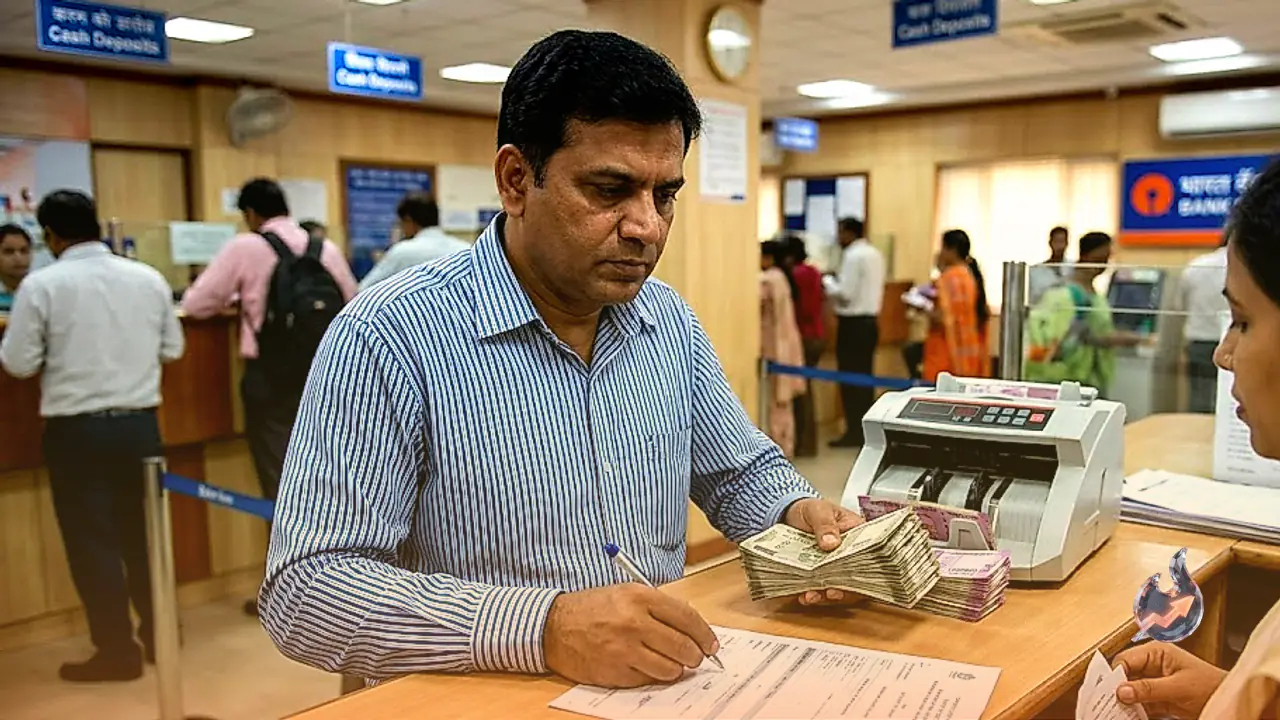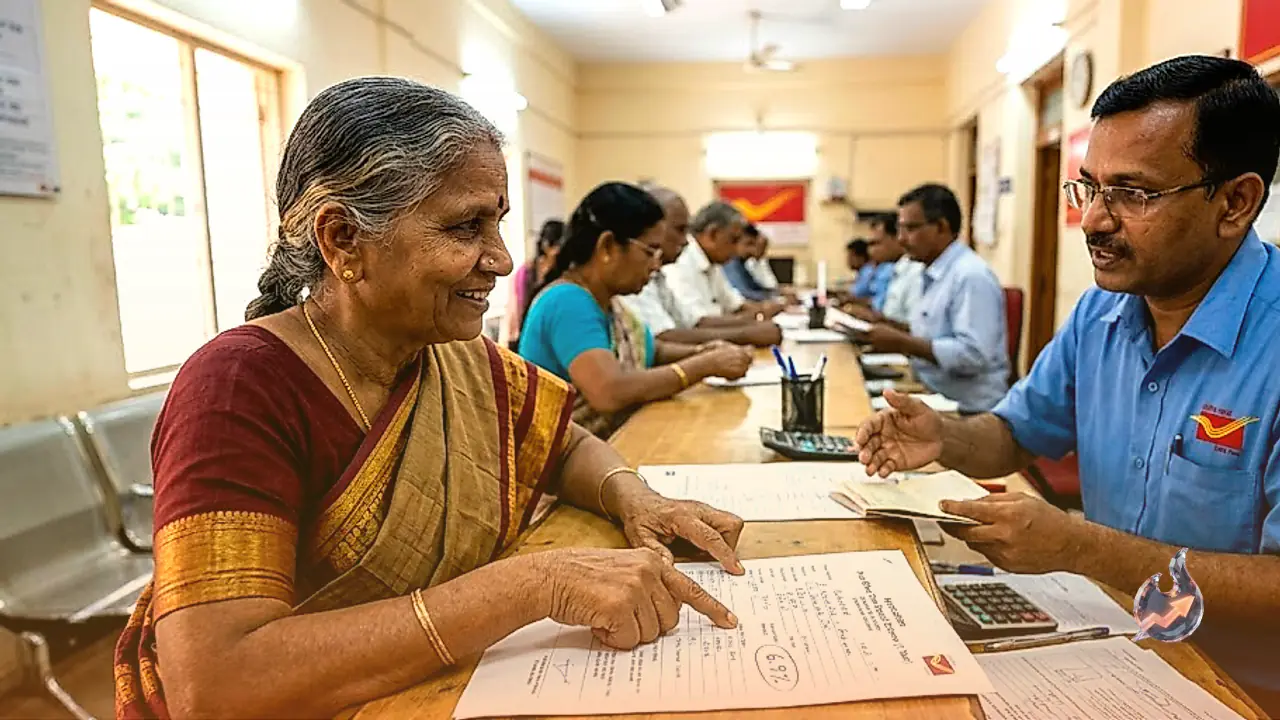

























A comfortable life after retirement, backed by a sizeable fund, is something every salaried person hopes for. Most people give up on the idea believing it demands a hefty monthly outgo. The truth is the opposite. If you keep setting aside even a small amount every month with discipline and consistency, the power of compounding, interest earning further interest, can build a fund worth lakhs. The Employees' Provident Fund, or EPF, is the clearest example of this, where saving just ₹1,800 a month turns into a fund of nearly ₹19 lakh over 25 years.
For salaried workers, EPF is a safe route that delivers guaranteed returns. The government has approved an interest rate of 8.25 percent on EPF deposits for the financial year 2025-26. This interest amount can be credited to subscribers' accounts this very month.
The ₹1,800 a Month, 25 Years and ₹19 Lakh Math
Suppose an employee puts only ₹1,800 a month into the PF account and keeps it going without interruption for the full 25 years. The numbers then shape up like this:
- Total amount deposited over 25 years: ₹5,40,000
- Fund built after 25 years: nearly ₹19 lakh (at the current interest rate)
In other words, only ₹5.4 lakh actually left your pocket, yet the interest handed you a gain of more than double the amount you invested.
Starting Early Is the Real Advantage
The biggest benefit of EPF goes to those who begin investing early, right at the start of their working life. In the initial years the interest earned each year may look tiny, but as the years roll on and the account balance swells, the interest earned on interest picks up speed quickly. Those who stay put for years without dipping into their PF money end up with a far larger fund. Later, if you raise your PF contribution as your salary grows, the same fund can become even bigger.
Is the Interest on PF Taxed Too
Under the rules introduced in Budget 2021, if an employee deposits more than ₹2.5 lakh into the PF account in a single financial year, the interest earned on the amount above ₹2.5 lakh becomes taxable. This limit also counts the employee's Voluntary Provident Fund, or VPF. However, those contributing just ₹1,800 a month, or even less, have nothing to worry about on this front, since their yearly investment stays well below the ₹2.5 lakh threshold.