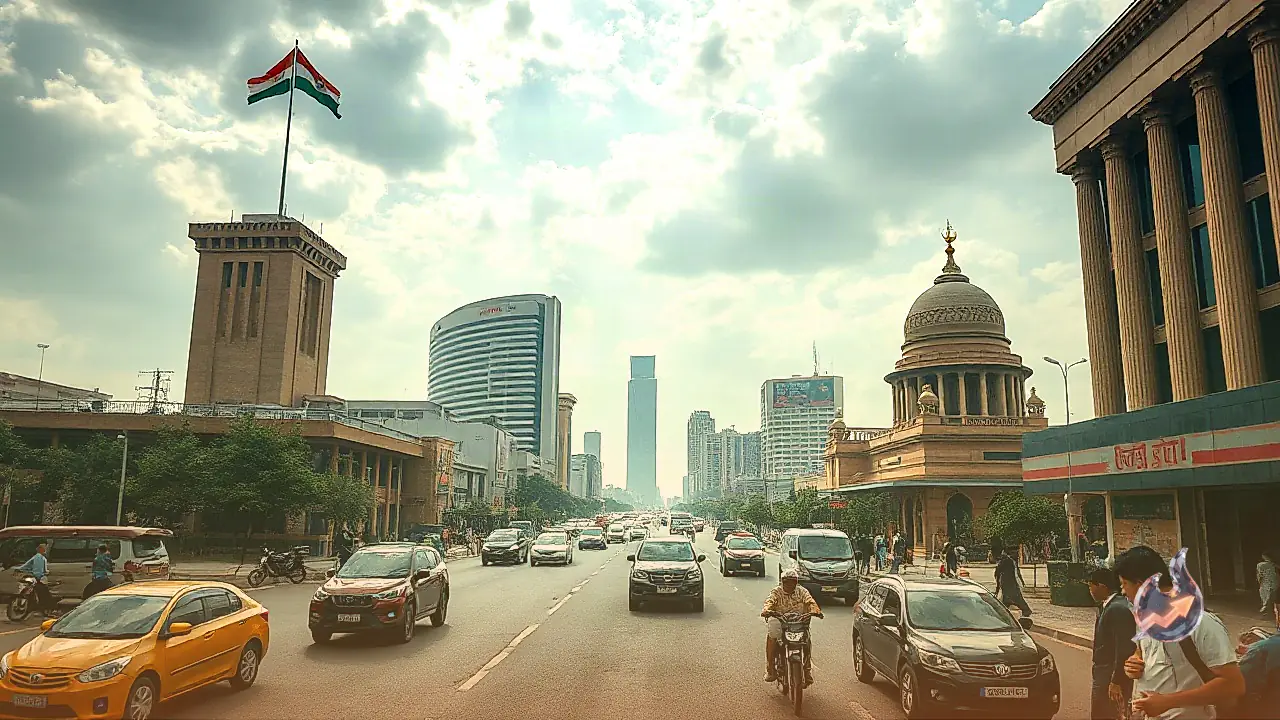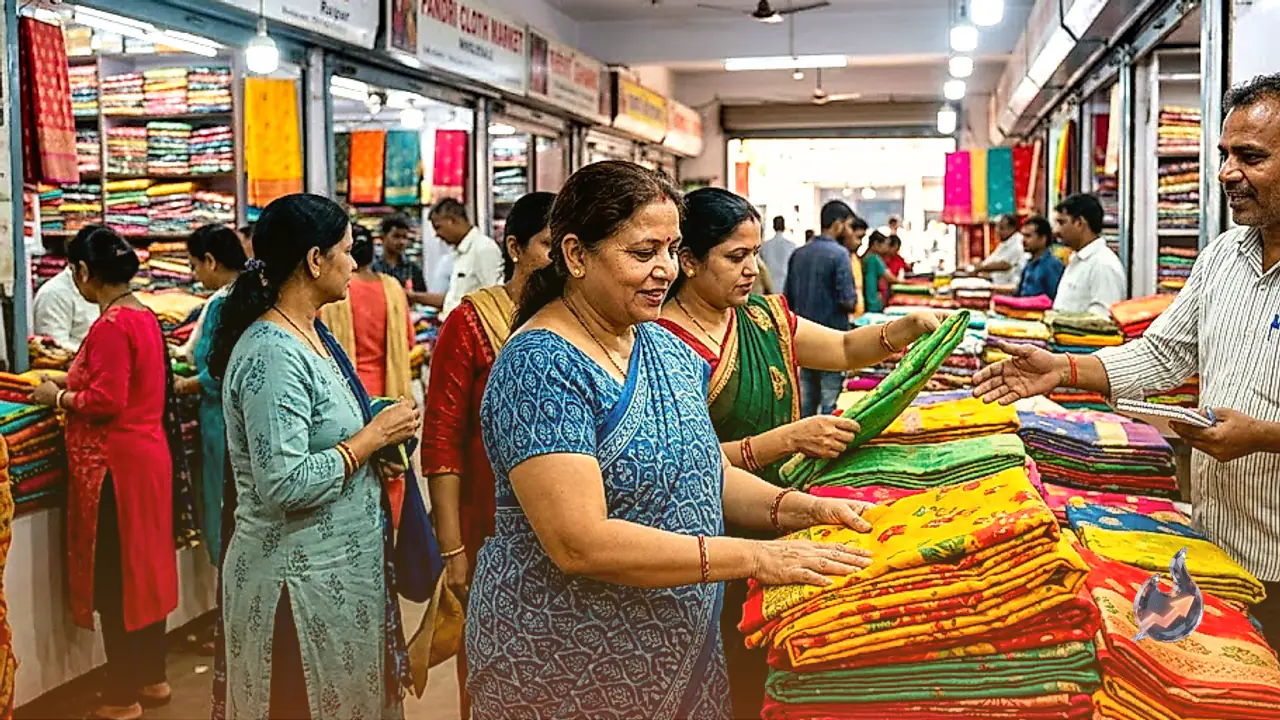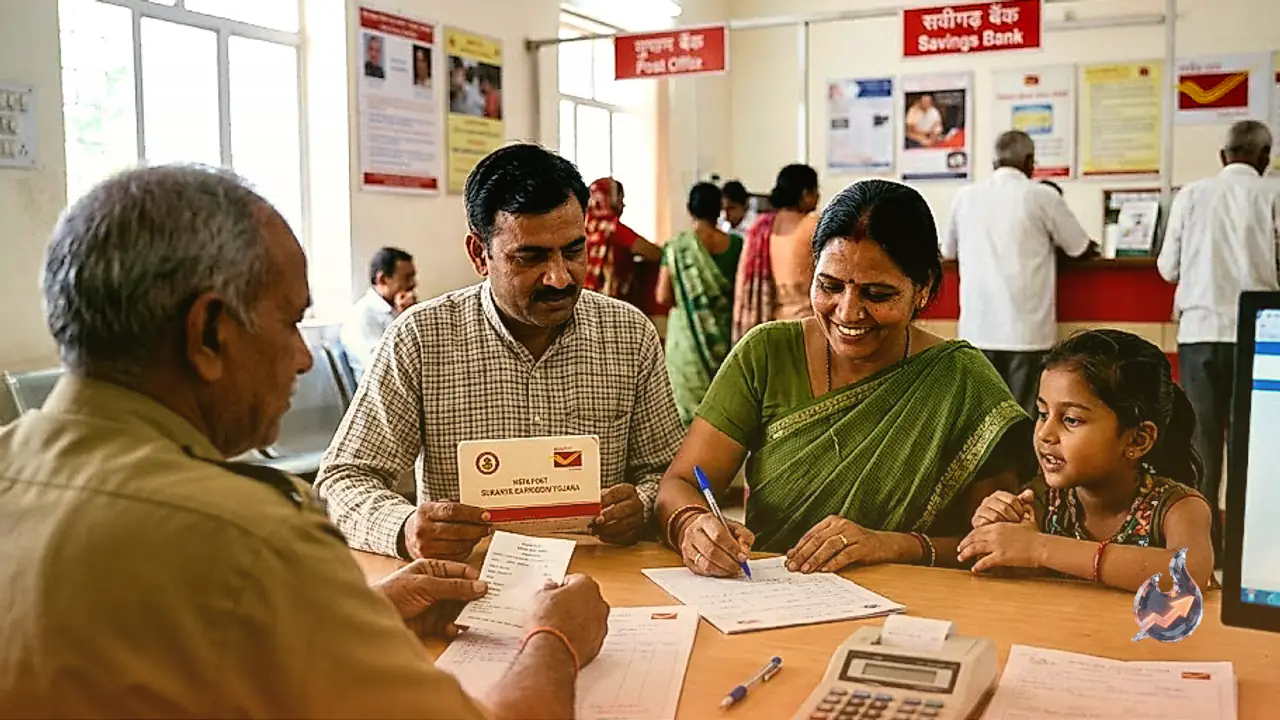





















Corporate employment in India is witnessing an unprecedented shift as thousands of professionals reconsider their relationship with traditional desk jobs. The mounting pressure of corporate instability, continuous workforce reductions, and workplace fatigue has driven a massive movement toward independent digital media. Smart devices and online distribution channels, once treated as harmless recreational pastimes, have evolved into financially viable full-time vocations for a growing segment of educated workers.
The Intensifying Corporate Employment Squeeze
The year 2026 has brought severe disruption to white-collar employment markets across sectors. Figures compiled by Trueup show that over 1.8 lakh individuals have faced job cuts within the year so far, translating to an average displacement of roughly 722 employees every single day. The term layoffs has shifted from an occasional corporate event to an ongoing daily reality.
Staffing agency TeamLease noted that by May 2026, approximately 10,000 to 15,000 technology workers had departed through quiet separations, with projections suggesting the full-year total could touch 25,000 to 35,000 positions.
Automation Drives Hiring Contraction
According to findings detailed in India's Economic Survey 2025-26, the underlying driver behind these shrinking payrolls is the accelerating integration of artificial intelligence and automated systems, which has rendered several routine white-collar tasks completely obsolete.
The Economic Survey highlighted that campus and entry-level IT recruitments experienced an 80 percent drop from historical highs. Furthermore, open software and technical listings fell to a 28-month low of roughly 93,000 positions in June 2026. With corporate ladders trembling under technological disruption, cultivating a loyal audience online has begun to appear far less volatile than corporate servitude.
From Enterprise Software to Automotive Vlogs
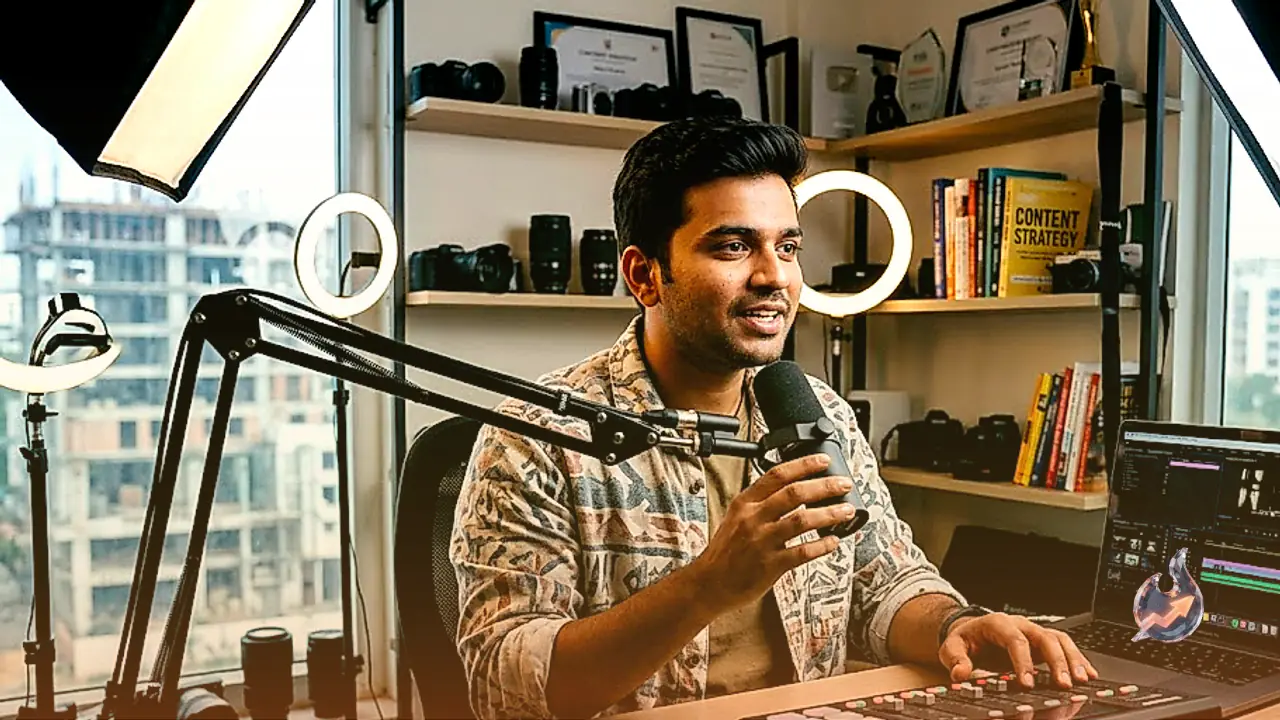
The cultural perception of online video production has also undergone an enormous transformation. While individuals who once pursued internet video creation encountered skepticism and condescension, successful influencers are now widely celebrated and frequently achieve earnings that surpass conventional corporate salary brackets. The career trajectory of Priyanka Prasad, recognized on Instagram through her handle @seagullsgirlfriend, exemplifies this trend.
Prasad walked away from a senior position in the software sector to focus exclusively on automotive storytelling. She spent five years as a senior software engineer at a Japanese financial technology firm, drawing a monthly compensation of roughly Rs 2 lakh. Reflecting on her transition, Prasad explained that she felt perpetually engaged in work without adequate rest, experiencing constant physical stress and palpitations. Following severe burnout, she resigned from her position. Today, her Instagram community counts 90,000 followers, allowing her the freedom to travel, govern her own working hours, and retain full autonomy over her schedule.
Connectivity Infrastructure Powers Non-Metro Growth
The current creator boom stands upon five years of rapid telecommunications expansion and hardware accessibility. Data released by TRAI shows that the number of domestic internet connections expanded dramatically from roughly 622 million subscribers in 2020 to approximately 958 million by 2025.
This network reach spurred substantial content consumption in smaller towns and non-urban districts, where regional language content took center stage. Consequently, provincial creators have emerged as the single fastest-growing cohort within the broader creator ecosystem.
The quantitative growth of this sector was documented by the Indian School of Business in its Creator Economy report, which estimated that India's creator pool surged past 4.12 crore individuals by 2025, compared to just 96 lakh five years earlier. The report indicated that one out of every ten internet users in the country participates in digital creation in some format, with 66 percent of all creators operating outside metropolitan centers.
Monetisation Realities and Income Disparities
Despite the immense size of India's creator population, achieving financial independence through content creation remains highly selective. Industry numbers demonstrate that merely 8 to 10 percent of active creators successfully generate consistent commercial revenue from their efforts.
Addressing the economic realities of this path, Prasad acknowledged that initial months were demanding, yet sustained output allowed her to secure revenue streams within six to eight months. She disclosed that her sponsored Instagram reels generate between Rs 30,000 and Rs 40,000 each, meaning five monthly releases replicate her earlier corporate salary. She cautioned that earnings fluctuate across billing cycles, sometimes dipping below her previous wage and at other times exceeding it, with individual commissions occasionally fetching Rs 1 lakh.
Ad Revenue Versus Commercial Endorsements
Platform payment architectures differ significantly between video distributors. On YouTube, creator compensation relies predominantly on commercial advertising, where Indian view impressions register among the least lucrative globally. Standard long-format video uploads generally bring in Rs 50 to Rs 200 per 1,000 views, whereas vertical short-form videos produce only roughly 10 percent of that rate.
Topic verticals exert significant influence on rates. Pure entertainment material generates minimal payouts ranging from Rs 10 to Rs 40 per 1,000 views, whereas specialized financial education and investment material commands Rs 80 to Rs 250. Channels that attract traffic from the United States benefit from substantially higher yields, capturing roughly Rs 670 to Rs 1,340 per 1,000 views, making international viewership a critical lever for domestic producers.
In contrast, Instagram provides no direct viewer-based compensation in India, leaving creators completely dependent on corporate brand partnerships. Nano creators maintaining fewer than 50,000 followers typically negotiate fees between Rs 1,000 and Rs 12,000 per promotional post. Meanwhile, micro creators who command audiences between 50,000 and 100,000 followers can invoice brands between Rs 8,000 and Rs 80,000 for campaign deliverables.
Institutional Frameworks and Regulatory Protections
Recognizing the economic weight of this industry, government authorities have stepped forward with dedicated structural initiatives. In the 2026 union budget, the administration introduced a Rs 250 crore scheme to establish dedicated AVGC Content Creator Labs across 15,000 secondary schools and 500 collegiate institutions, aimed at training students in technical production skills.
Furthermore, legislative progress materialized in April 2026 when the Rajya Sabha approved the National Creator Economy Bill, establishing statutory status for digital creators and influencers. According to official PIB communications, this legislative framework institutes standardized contracts for commercial engagements, creates mandatory registration guidelines for top-bracket commercial creators, and establishes a dedicated Creator Welfare Fund to finance retirement savings and medical coverage.
While this formalization provides enhanced legitimacy and protections alongside creative autonomy, aspiring professionals must weigh whether platform dependency can provide the durable financial baseline traditionally offered by corporate careers.