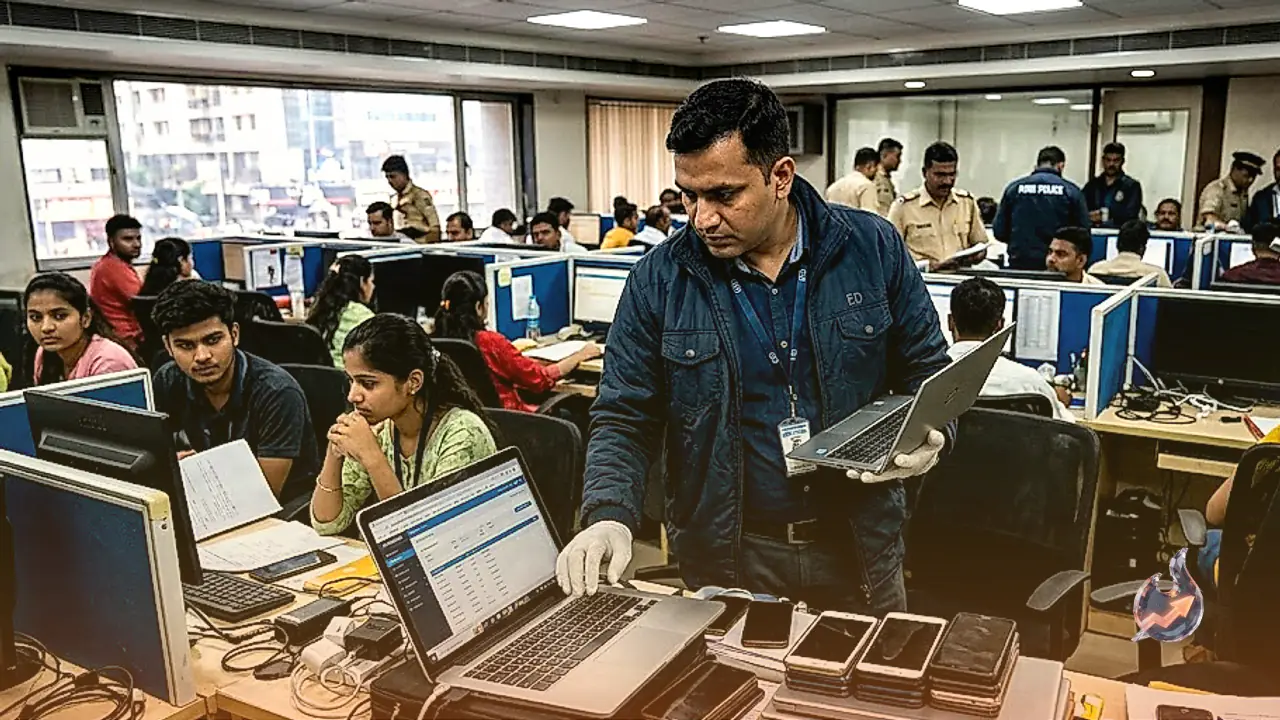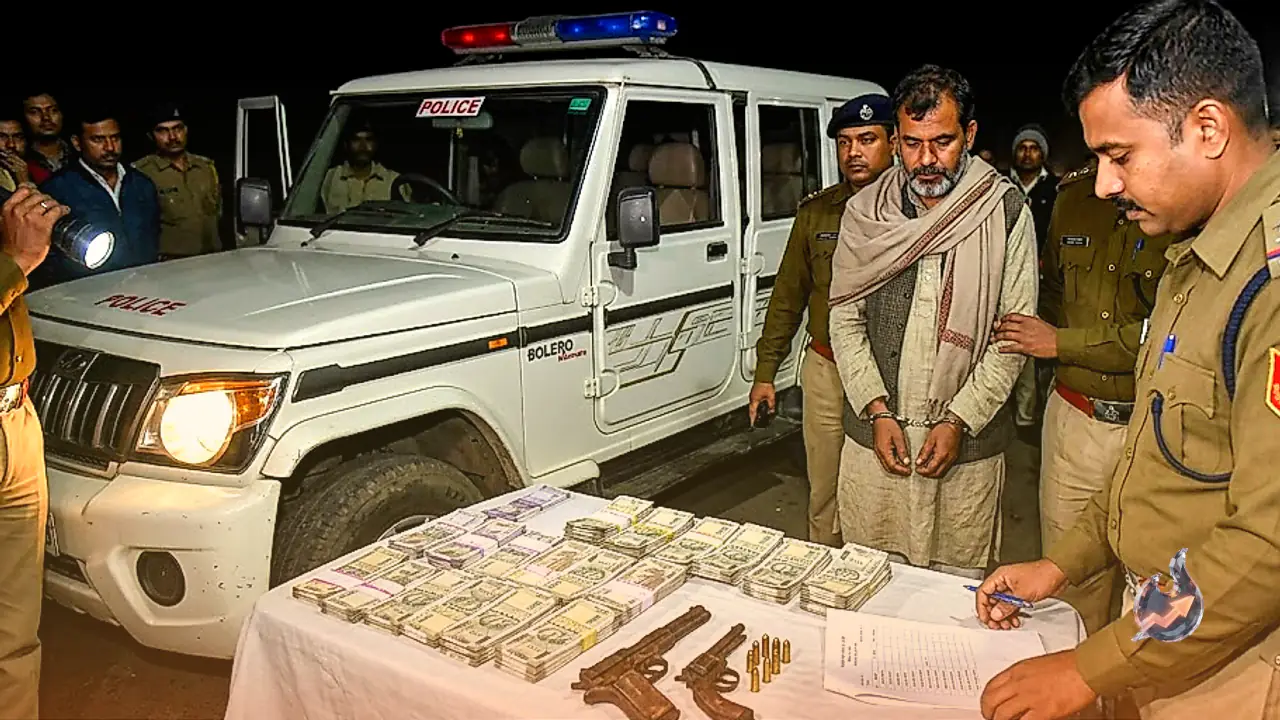







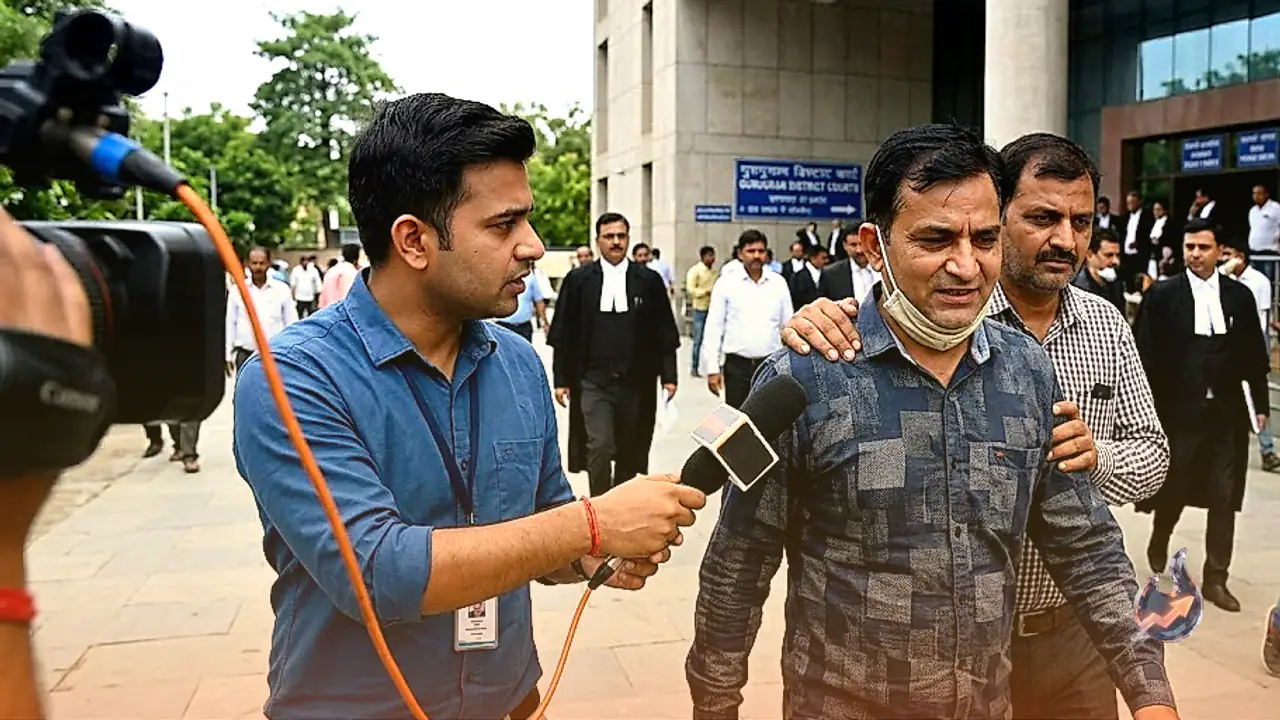















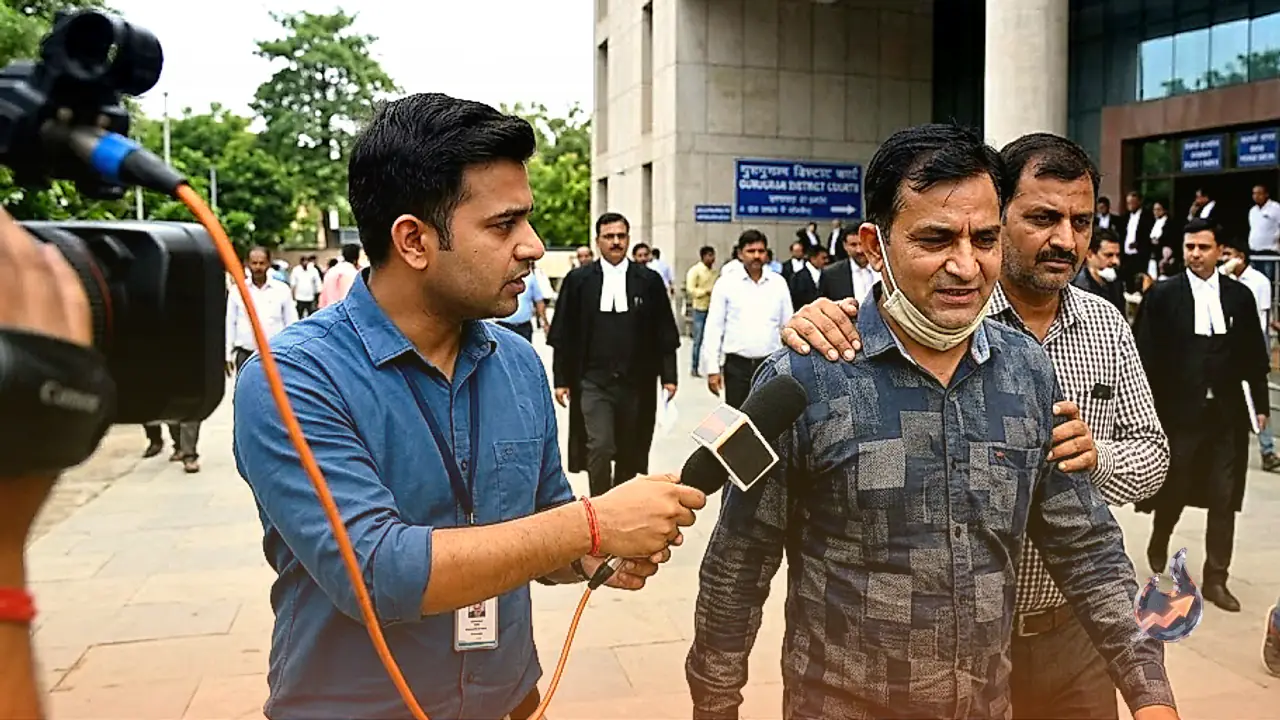

In a significant order highlighting procedural deficiencies in cybercrime investigations, a Gurugram sessions court has granted regular bail to an accused implicated in an alleged forty-four lakh rupee digital arrest operation. Additional Sessions Judge Dr. Gagan Geet Kaur ruled on September 17, 2026, that prolonged custody was unwarranted when fundamental financial links remained unexplored. The court directed the release of the accused, Joginder, subject to furnishing a personal bond of fifty thousand rupees along with a surety of an equivalent sum. The underlying prosecution originates from First Information Report number 0344, registered on December 19, 2025, at the Manesar cyber crime police station.
The formal chargesheet invoked provisions under Sections 318(4), 319, 336(2), 336(3), and 338 of the Bharatiya Nyaya Sanhita, alongside Section 66D of the Information Technology Act. However, during the scrutiny of the case diary, the bench took serious exception to the investigating agency’s narrow focus on mobile registration rather than trailing the defrauded funds.
The Anatomy of the Impersonation Scheme
According to the complainant, Ram Ganesh, the ordeal began on December 8, 2025, when he received a phone call from an unknown cellular number. The callers represented themselves as staff from the Gurugram corporate office of telecom service provider Airtel. They falsely informed Ram Ganesh that an active landline connection registered under his credentials in Bengaluru was actively facilitating unlawful operations.
Shortly thereafter, the fraudsters escalated the intimidation by moving the interaction to WhatsApp, where confederates impersonated senior law enforcement officers and central investigators. The victim was told that multiple bank accounts had been fraudulently established across various states utilizing his Aadhaar documentation, and that these accounts stood tied to narcotics trafficking, unlawful firearms distribution, and money laundering syndicates. Subjecting the victim to constant surveillance through continuous video calls, the conspirators insisted that liquid assets had to be remitted for regulatory verification. Terrified of immediate legal action, Ram Ganesh transferred thirty-four lakh rupees in an initial tranche and subsequently deposited an additional ten lakh rupees before realizing he had fallen prey to an elaborate digital arrest conspiracy.
Disputed Device Ownership and Diverted Funds
When the cyber cell initiated its inquiry, the mobile number utilized to initiate the calls was traced back to Joginder, leading to his formal arrest on June 18, 2026. Appearing for the defense, counsel argued that the suspect had severed all ties with the cellular connection long before the swindle took place. The defense placed transaction logs on record demonstrating that the mobile handset and SIM card had been disposed of to an unidentified buyer on October 26, 2025, for a sum of three hundred and seventy rupees. Counsel emphasized that the cheating incident occurred on December 8, 2025, roughly one and a half months following the physical transfer of the SIM.
Crucially, financial statements reviewed during the hearing revealed that the proceeds of the crime bypassed Joginder entirely. Out of the total forty-four lakh rupees extorted from the complainant, thirty-four lakh rupees were credited into an account in the name of Reshape Clinic, while the remaining ten lakh rupees were routed to Pancia Networks Private Limited. The prosecution also conceded that no incriminating recoveries or cash stashes were seized from Joginder’s possession.
Judicial Scrutiny of Investigative Shortcomings
In the bail order, Additional District and Sessions Judge Gagan Geet Kaur observed that the chargesheet contained no substantive material to prove that Joginder was physically operating the device during the digital arrest or that he harbored an active nexus with the co-conspirators. The court noted that while the registration of the calling number remained an undisputed factual aspect, establishing an actual link between the applicant and the misappropriated wealth would strictly form the subject matter of the upcoming trial.
The court directed its sharpest reprimand toward the investigating officer regarding the absolute absence of progress on the end recipients of the extortion money. When questioned about why the beneficiaries operating the bank accounts had not been tracked or interrogated, the investigating officer stated that the destination branches were based in Bengaluru and that excessive workload had prevented the team from pursuing those leads. The judge termed this posture deeply unprofessional and irresponsible, asserting that prioritizing a mere SIM registrant while ignoring the ultimate beneficiaries crippled the integrity of the investigation.
To ensure structural accountability, the court ordered that an official copy of the decision be dispatched to the Commissioner of Police, Gurugram, so that senior leadership can review how frontline personnel manage complex digital arrest probes. The bench concluded that with the formal final report already submitted, further pretrial incarceration served no meaningful legal utility, though it clarified that these observations carried no definitive verdict on the broader merits of the prosecution. Separately, two police personnel in Gurugram were suspended over allegations of negligence following the murder of a twenty-two-year-old youth in the Farrukhnagar area.