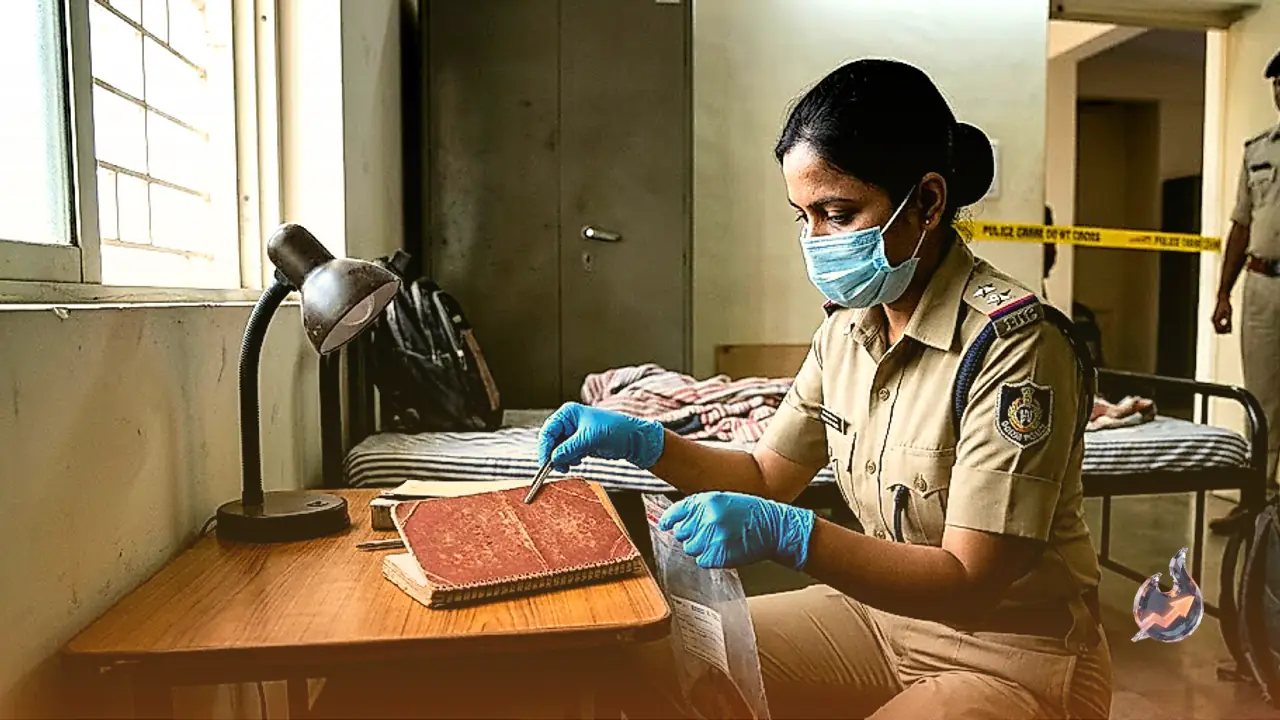







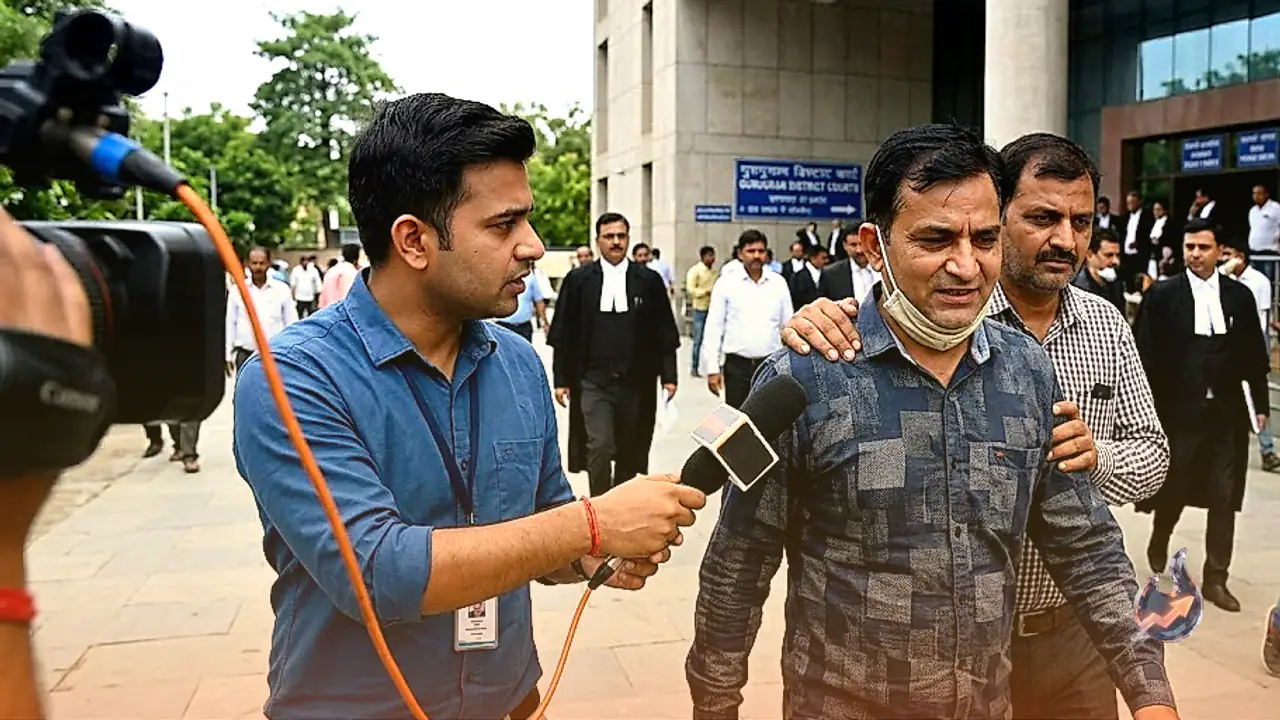

















When family land disputes escalate into formal police complaints and courtroom wrangling, years of savings and generational goodwill often vanish in endless judicial hearings. A remarkable departure from this exhausting cycle unfolded in the Bardiha area of Ranchi, Jharkhand, where an administrative official stepped outside standard bureaucratic rigidity to resolve a chronic property rift among four brothers. The conflict centered around twenty acres of land and had dragged on for roughly twelve years. Over this agonizing period, the hostility between the siblings resulted in as many as thirteen separate police cases, pulling relatives into a relentless loop of court appearances and administrative petitions.
Sub-Divisional Magistrate Praveen Singh recognized that formal litigation was worsening personal animosities rather than resolving the root problem. Rather than treating the file as just another pending dispute, he persuaded the estranged family members to abandon procedural confrontations and gather before a community mediation panel. The breakthrough, captured in a widely circulated video, showed the brothers setting aside twelve years of bitterness, embracing one another, and sharing a communal meal after arriving at an amicable settlement.
A Twelve-Year Impasse Over Twenty Acres
The protracted standoff in Bardiha originated from disagreements over how to divide a family estate encompassing twenty acres. Land that was meant to sustain future generations instead turned into a catalyst for family division. Minor boundary questions and disagreements over equitable shares gradually hardened into deep grievances, eventually spilling over into physical confrontations and formal complaints at the local police station.
Across twelve long years, the litigation produced thirteen separate FIRs registered by the competing sides. Family members spent extensive time and resources shuttling between civil courtrooms and the sub-divisional administrative office. Despite years of persistent legal friction, neither side achieved practical closure, and the legal entanglements only deepened their mutual resentment.
Replacing Protracted Litigation with Community Dialogue
Determined to halt the destructive dispute, SDM Praveen Singh encouraged the family to test an alternative path anchored in face-to-face communication and community elders. He emphasized that court decrees might divide acres on paper, but rarely restore broken domestic bonds. Acting on this conviction, he convened the brothers alongside respected local arbiters.
Detailing the intervention on his official Facebook profile, Singh explained that direct dialogue under the supervision of village panchayat elders accomplished what a decade of procedural hearings could not. By sitting across the table without intermediary posturing, the four siblings were able to openly address historical grievances and establish mutually acceptable terms for the land's distribution.
Reconciliation Sealed with an Embrace and a Shared Feast
The emotional high point of the settlement unfolded immediately following the agreement. Four brothers who had avoided eye contact outside courtroom hallways for over a decade embraced warmly in front of community witnesses, formally casting aside years of mutual accusations.
To seal their newfound accord, the brothers sat together for a community meal, marking a decisive end to their protracted feud. The twenty acres of ancestral property, which had long symbolized friction and legal strain, ultimately witnessed the restoration of domestic peace through patience and goodwill.
Limits of Administrative Force in Domestic Quarrels
Reflecting on the successful settlement, SDM Praveen Singh shared broader thoughts on the recurring pattern of rural land conflicts. He observed that official law enforcement and judicial rulings are fundamentally ill-equipped to heal emotional tears within households.
Singh noted that when rural property disagreements are sorted out locally through mutual concessions, ordinary families can avoid the heavy financial tolls and mental strain of court trials. Formal state institutions can enforce compliance, but lasting resolution requires the disputants themselves to sit down, converse, and arrive at common ground.
Public Acclaim on Digital Platforms
The documented reconciliation drew widespread praise across social media platforms, with commentators lauding the SDM's empathetic intervention. A user named Lal Pappu Nath Shahdeo remarked that his own family had been contending with an inheritance dispute among five brothers for twelve years, requesting a similar administrative effort in his case.
Another respondent, Dinesh Thakur, commented that Singh was performing outstanding work across Bardiha block, describing the presence of such dedicated administrators as a public blessing. Emphasizing fiscal and personal pragmatism, user Jitendra Yadav wrote that citizens looking to save time and resources should lean heavily on community councils instead of rushing into court. Multiple other contributors echoed these sentiments, urging civil servants across jurisdictions to emulate this collaborative approach to dispute resolution.