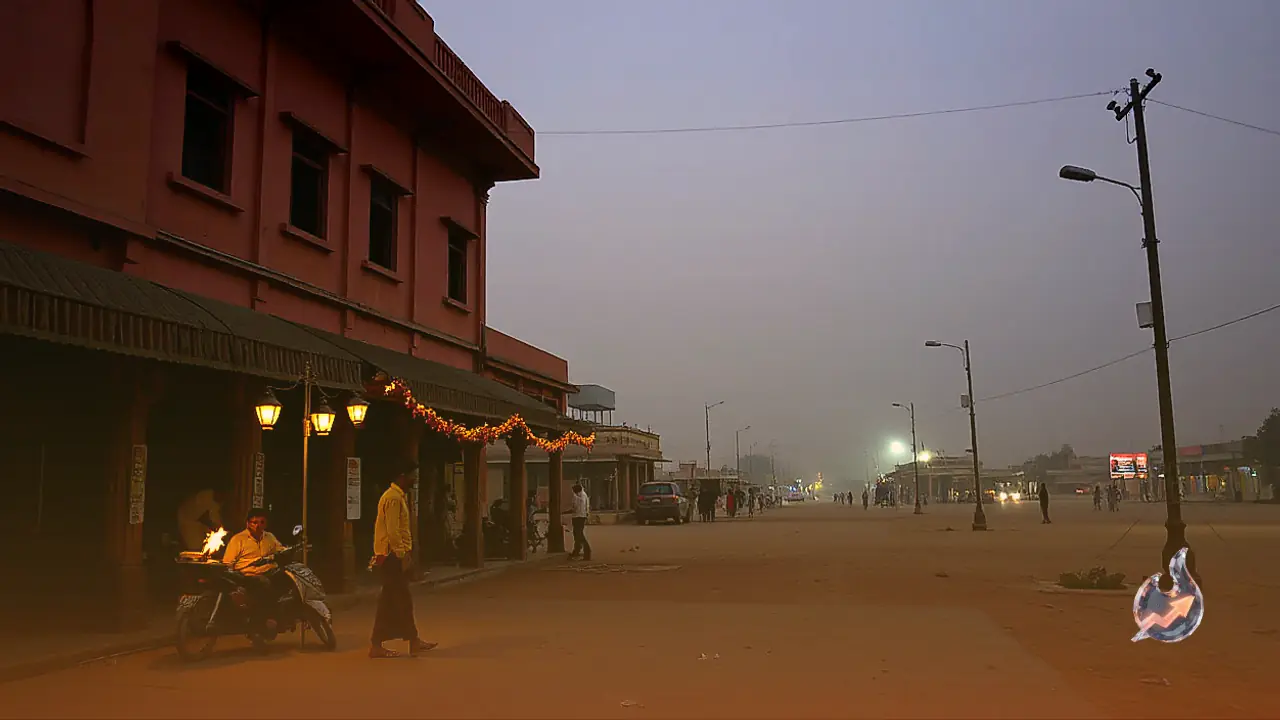














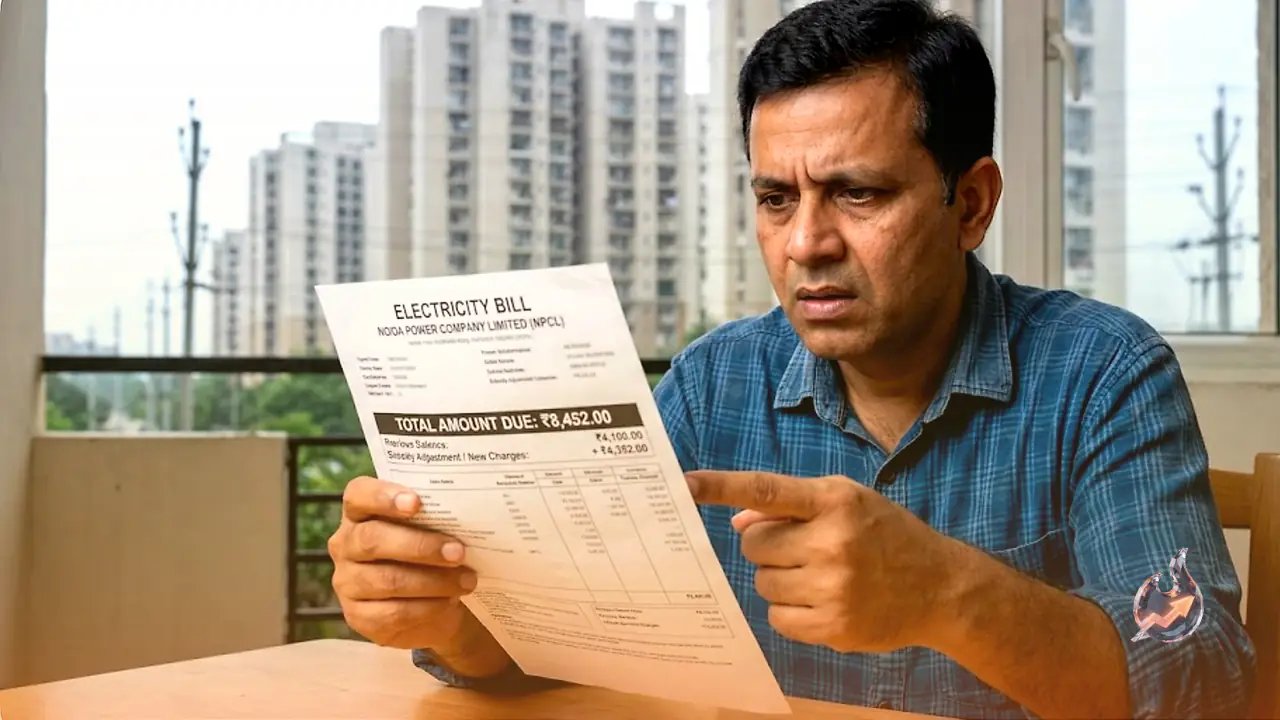

Noida Power Company Limited (NPCL) consumers have enjoyed a 10 percent bill rebate for several years, funded by the utility's massive surplus reserves. However, this financial relief is now on the verge of ending. A fresh recalculation by the Uttar Pradesh Electricity Regulatory Commission (UPERC) has dramatically slashed the company's officially recognized surplus assets.
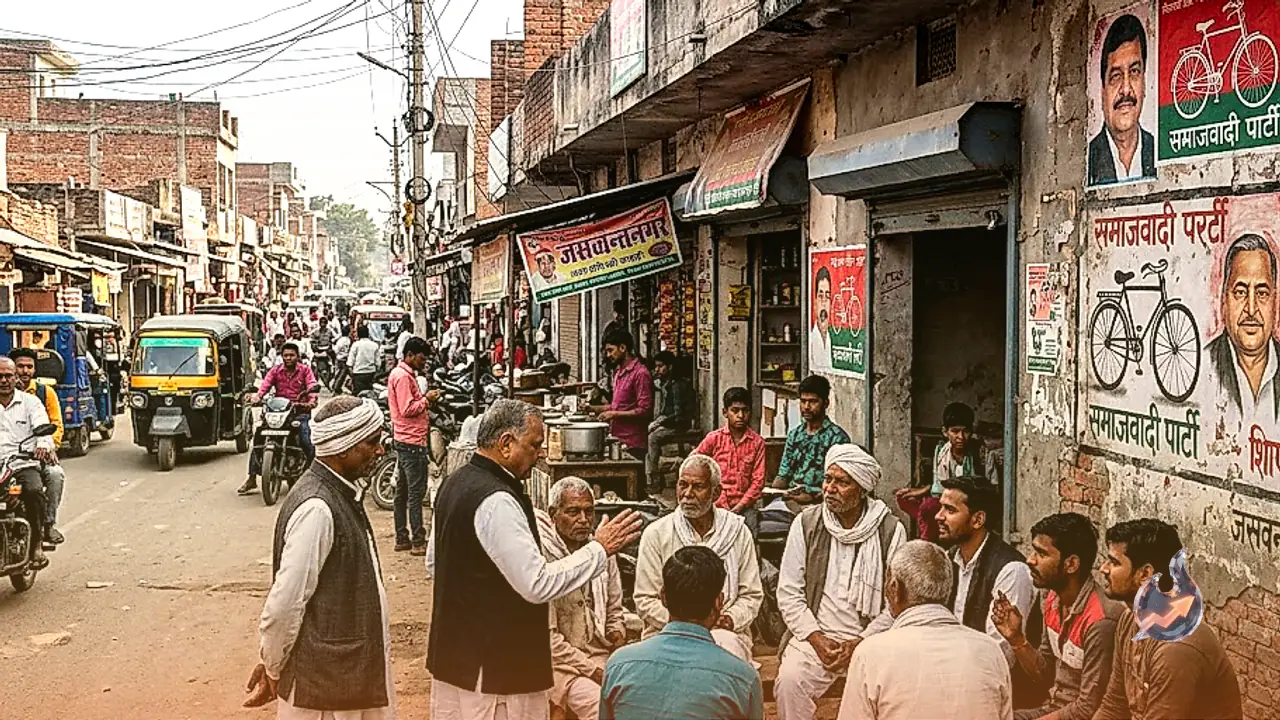
About 2.5 lakh customers across Noida and Greater Noida will be the first to experience the financial pinch of this decision. The overall electricity tariff structure for Uttar Pradesh is also slated for an imminent update, which could drive prices up statewide.
The Math Behind the Price Hike
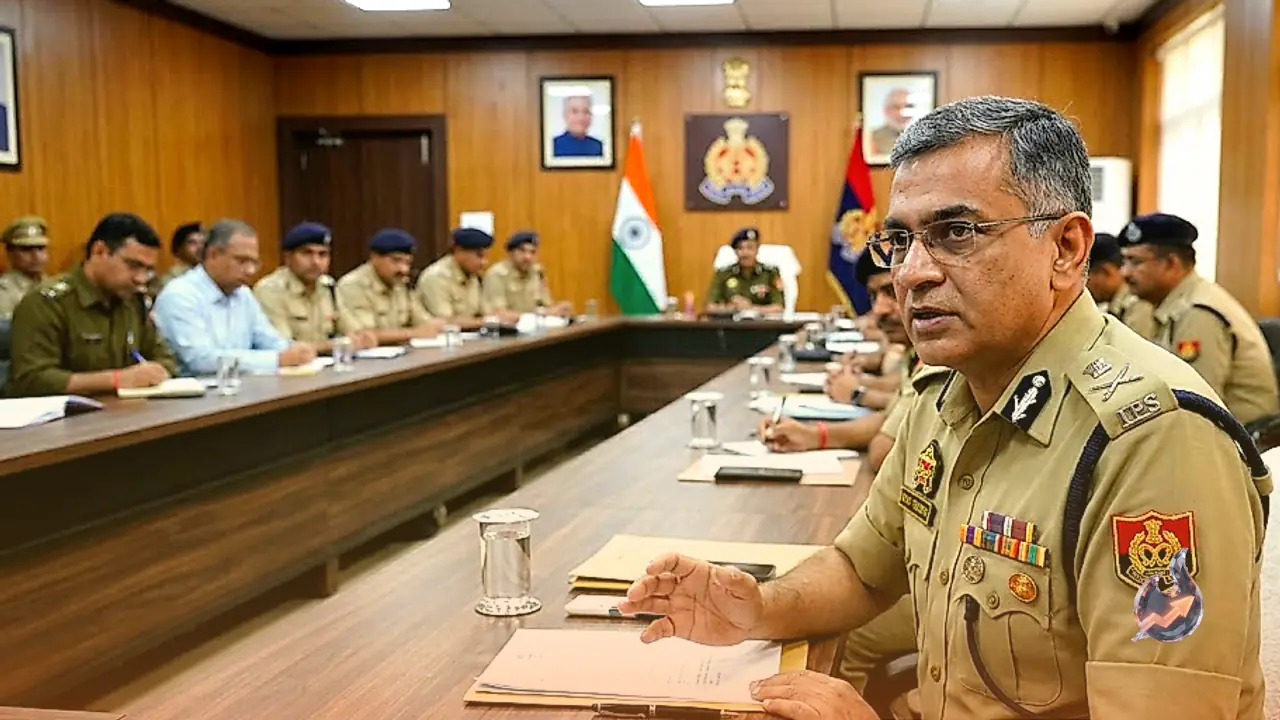
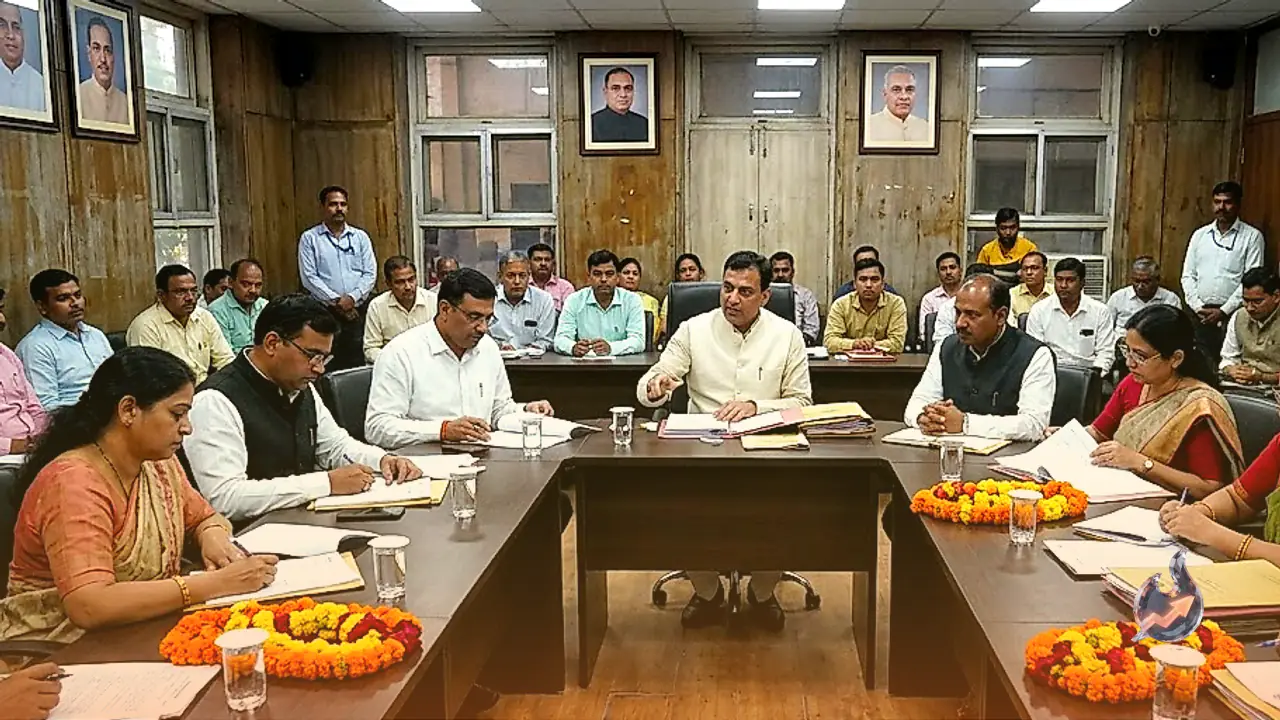
The regulatory shift follows a legal intervention. NPCL had approached the Appellate Tribunal for Electricity (APTEL) regarding its tariff determinations spanning the years 2018 to 2025. Following APTEL's directions, the state regulatory commission conducted a thorough re-evaluation of NPCL's surplus holdings.
The review led to a steep reduction in recognized funds. Initially, the surplus was pinned at 1500.62 crore rupees. Following the reassessment, this surplus was downsized to 593.81 crore rupees. This substantial drop in surplus means NPCL no longer has the financial cushion to sustain the 10 percent discount, indicating that consumer bills are highly likely to increase.
Public Opposition and Consumer Resistance
The decision has met with swift resistance. The Electricity Consumer Council has formally registered its protest by filing a petition with the regulatory commission, warning of an unjust financial burden on the public.
The council claims that various power distribution companies (discoms) across Uttar Pradesh collectively owe consumers a massive surplus of approximately 51,000 crore rupees. Observers fear that the NPCL precedent might encourage other state discoms to demand similar re-evaluations of their surplus balances, potentially triggering a wider wave of power tariff hikes across the state of Uttar Pradesh.