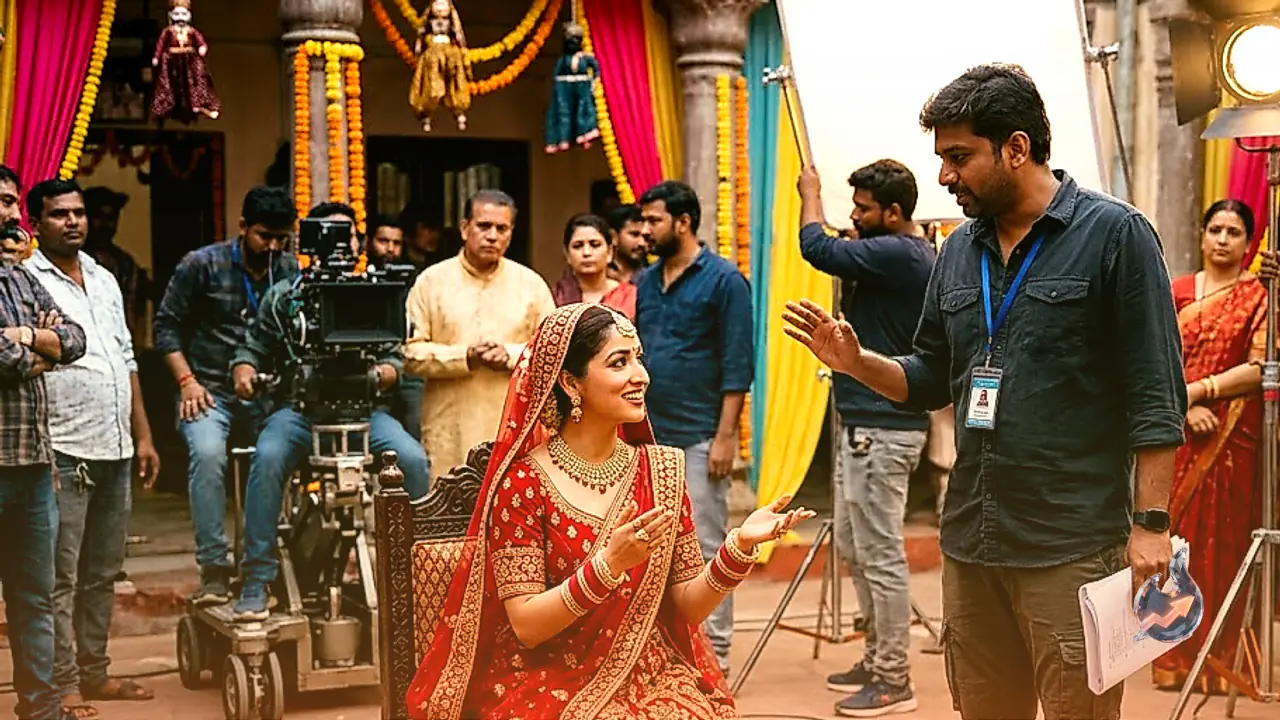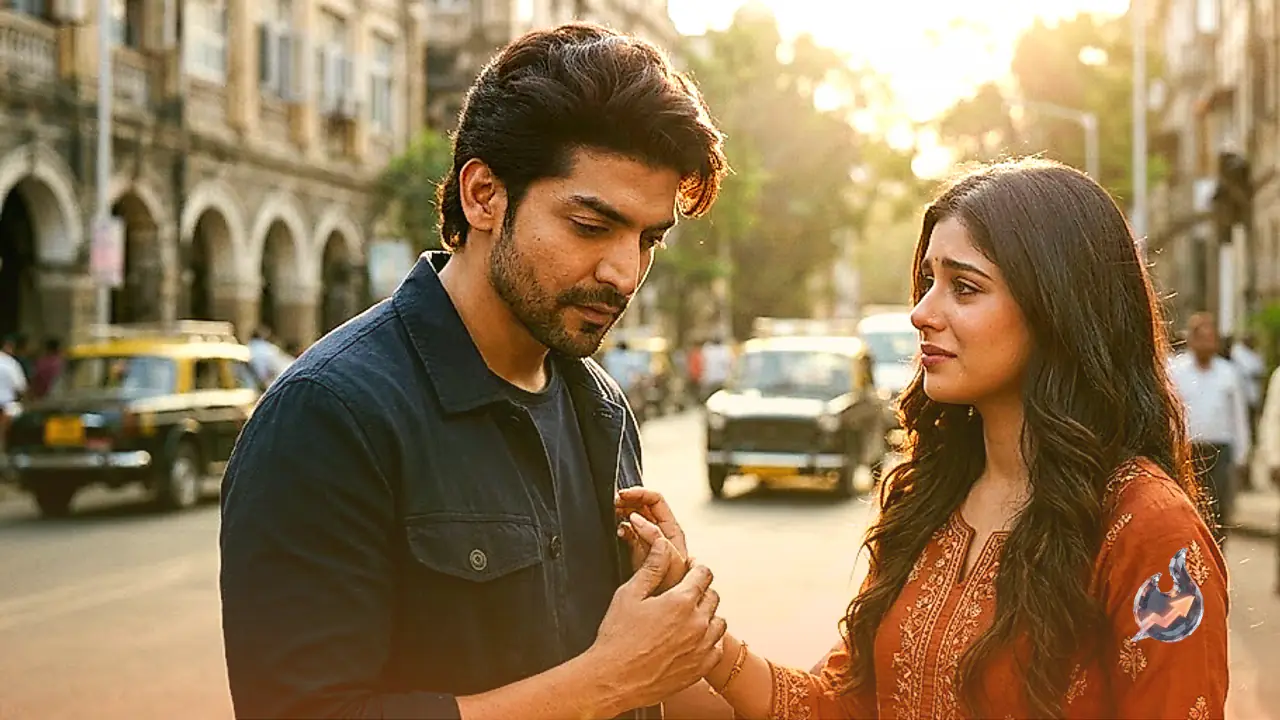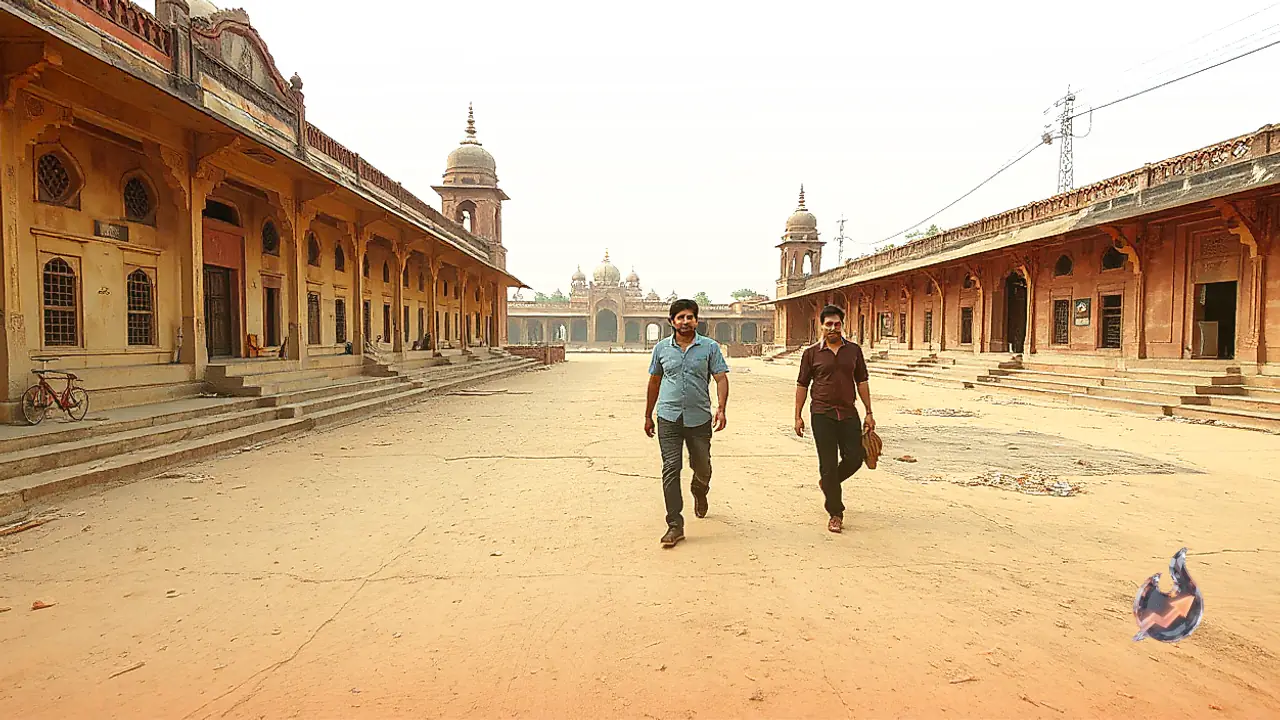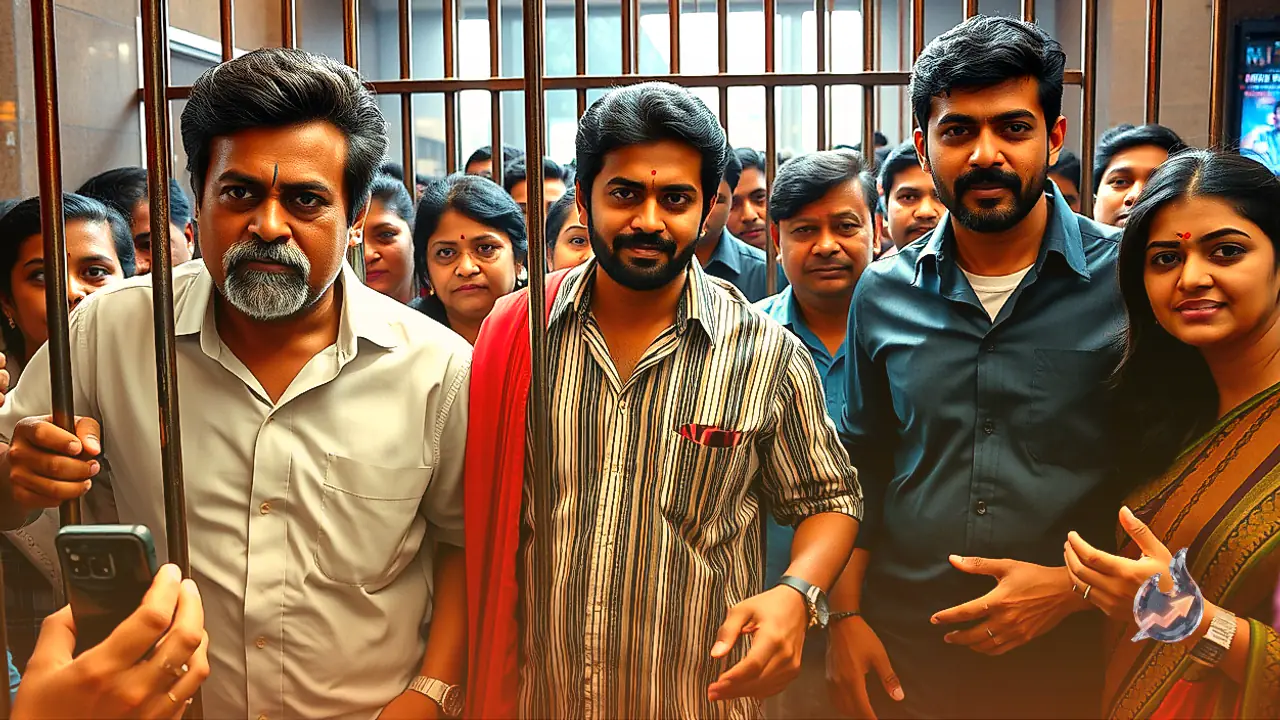



















The bloody struggle for power and dominance in Purvanchal, which once created history through digital streaming platforms, arrived in theaters on September 4, 2026, as Mirzapur: The Movie. However, this much-anticipated transition to the silver screen fails to completely meet soaring fan expectations. The core conflict revolves around Babban Yadav casting a malicious shadow over Kaleen Bhaiya's empire, but the battle for the throne ultimately loses its edge due to a lackluster script. Despite this, the sharp verbal exchanges between Munna and Guddu Bhaiya along with Pankaj Tripathi's commanding screen presence serve as the project's biggest saving graces.
A Predictable Plot and Weak Narrative
The story once again hinges on the political supremacy and desire to conquer Mirzapur. This time, the primary antagonist is Babban Yadav, played by Ravi Kishan, who hatches a deep conspiracy to drive out Purvanchal's underworld don, Akhandanand Tripathi alias Kaleen Bhaiya (Pankaj Tripathi). Babban's sole objective is to eliminate Kaleen Bhaiya and establish his own reign over the city. The most glaring flaw in the narrative is its lack of a direct creative connection to the original streaming series. The cult characters appear to have simply been copy-pasted onto the big screen. The screenplay is so loose that viewers unfamiliar with the digital series will struggle during the first hour just trying to comprehend character backgrounds and relationships. There are no fresh surprises or intriguing twists to keep audiences on the edge of their seats.
Stellar Acting Overshadowed by Casting Choices
If there is one aspect of the film genuinely worthy of praise, it is the committed performances of the main cast. Pankaj Tripathi's calm, composed, and lethal demeanor as Kaleen Bhaiya shines through effortlessly. The scenes shared between Munna Bhaiya (Divyenndu) and Guddu Pandit (Ali Fazal) form the true heartbeat of the project. Divyenndu's distinct swag and Ali Fazal's aggressive persona keep the audience thoroughly entertained, with their sharp one-liners frequently drawing applause in cinema halls. However, the makers made a notable misstep in casting; Ravi Kishan as the primary villain fails to instill the anticipated level of dread. In contrast, supporting antagonist Sushant Singh (Bhairav Singh Karnavat) comes across as far more intimidating and effective. Meanwhile, Rasika Dugal as Bina Tripathi, Shweta Tripathi as Golu Gupta, and Jitendra Kumar stepping into the shoes of Bablu Bhaiya all deliver sincere performances that honor their respective roles.
Direction, Cinematography, and Audio
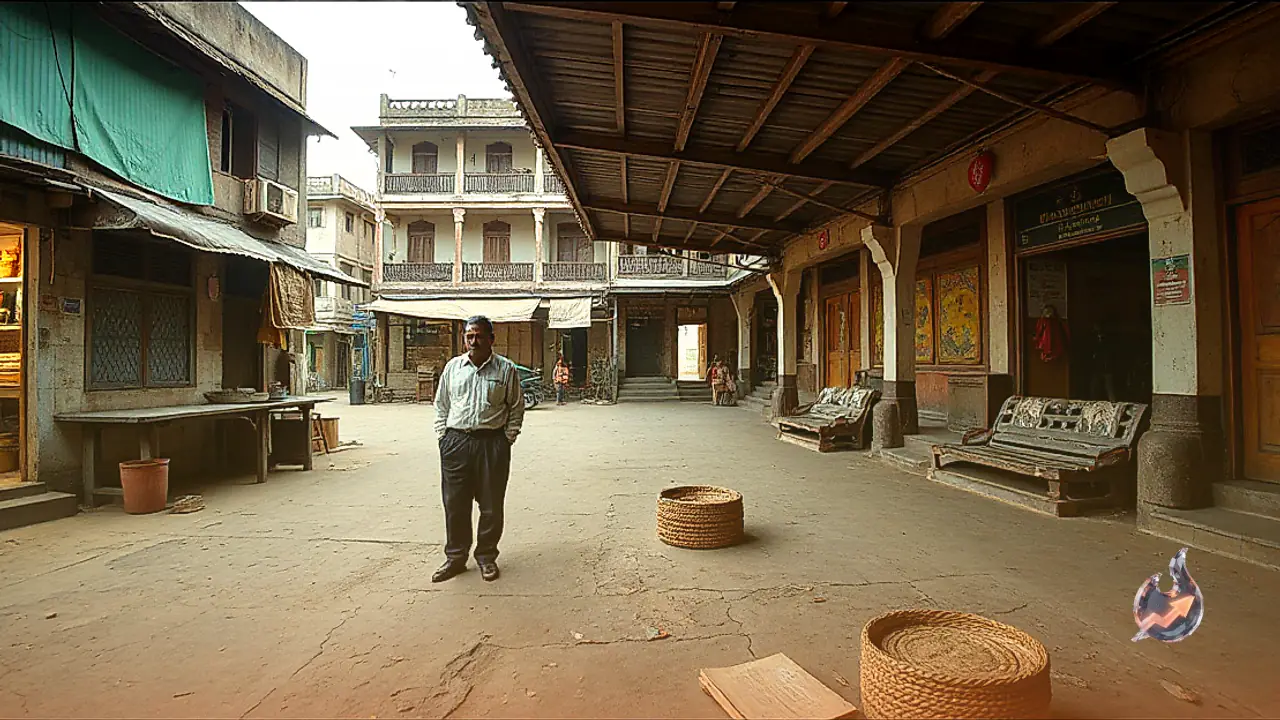
Adapting a vast digital narrative into a standard two-to-two-and-a-half-hour feature format was always a massive gamble, and the director falters somewhat in pacing. While an attempt was made to incorporate fan-favorite elements such as bloodshed, crude language, and punchy dialogues, the cinematic experience lacks consistency. The narrative momentum fluctuates wildly, as excessive focus on swagger-filled character introductions causes the primary plot to unravel. Fortunately, the final twenty minutes are expertly crafted, bringing all major characters together in a gripping sequence. From a technical standpoint, the cinematography is striking, utilizing wide-angle shots and slow-motion framing to capture the authentic grit of Purvanchal's alleyways, mud houses, and river banks.
The background score successfully rescues flagging moments, with the signature theme tune invariably eliciting cheers whenever it plays. However, the soundtrack itself leaves little lasting impact, featuring no standout hit songs to remember after leaving the theater. Ultimately, this cinematic endeavor falls short of its legendary name, disappointing on the storytelling front while relying heavily on the star power of its lead actors.