



















Amid recurring reports of individuals being lured into overseas military roles under the guise of lucrative employment, the Ministry of External Affairs has issued a comprehensive advisory calling for heightened vigilance. Over the past two years, the government has repeatedly cautioned citizens against accepting dubious foreign job offers, specifically highlighting those channels that directly or indirectly lead to induction into the Russian armed forces. Officials underscored that enlisting in foreign combat forces carries grave perils, and such practices are strictly discouraged at every administrative level.
The Illusion of High Compensation and Guaranteed Evacuation
A disturbing pattern identified in recent findings reveals that several individuals willingly pursued these military pathways, enticed by substantial salaries and promising monetary bonuses. In multiple instances, job seekers entered into these arrangements operating under the assumption that if frontline risks escalated, they could simply contact Indian diplomatic missions to negotiate their safe release and repatriate home. The government described this expectation as inherently flawed and exceptionally perilous.
Authorities reiterated that entering a foreign military establishment alters one's legal standing and subjects the person entirely to external martial command. Surrendering personal safety for short-term economic gains while relying on retroactive governmental intervention during active hostilities is completely unrealistic. Once inducted into military operations, the hazards are immediate and life-threatening, making it imperative for prospective workers to evaluate foreign opportunities solely through recognized, legitimate recruiting mechanisms.
Risks Surrounding Renunciation of Citizenship and Foreign Passports
The advisory highlighted another critical and sensitive dimension involving citizens who actively attempted to renounce their Indian citizenship in order to obtain a Russian passport and enter the country's military ranks. Driven by financial inducements, several people initiated these drastic paperwork changes without seeking prior consultation or guidance from Indian consular officials. The government has stressed the profound weight and finality of such decisions, urging citizens to grasp the legal realities before taking irrevocable steps.
Joining foreign combat ranks places an individual directly in the path of mortal danger. Holding a foreign document does not shield anyone from the harsh, violent realities of conflict zones, nor does it guarantee preferential treatment once deployed. Citizens have been sternly advised against seeking citizenship changes linked to military contracts, as doing so strips away conventional civilian options and exposes them to irreparable harm.
Scrutinizing Unregistered Agents and Informal Channels
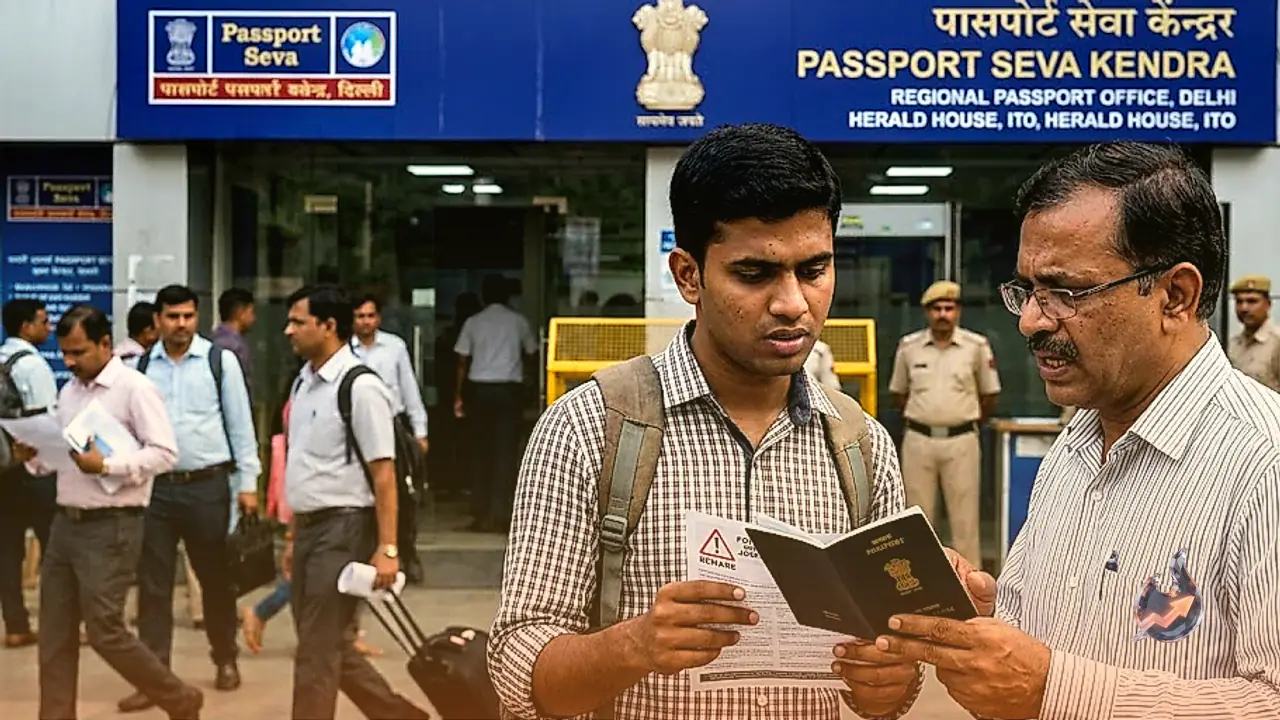
The government also turned its focus toward unregulated recruitment networks, noting that various non-public entities, voluntary collectives, and shady intermediaries have been facilitating the enlistment of foreign nationals into military formations. These recruiters frequently advertise seemingly standard civilian jobs, only for recruits to find themselves redirected toward support roles in military regiments. Anyone receiving employment offers has been urged to conduct exhaustive background verifications.
It is vital to confirm whether an agent or placement firm is officially registered with the Ministry of External Affairs before executing any contracts or making advance payments. Prospective job seekers must independently authenticate the identity of the true employer, the specific location of deployment, and the exact nature of the daily duties involved. An offer connected in any way to armed forces or military logistics can never be treated as a routine overseas job, given the statutory liabilities and battlefield consequences it entails.
Ongoing Diplomatic Engagement for Repatriation
While establishing preventive barriers to keep fresh applicants from taking such hazards, the government maintains active diplomatic channels regarding those who are already embedded in the Russian armed forces. Official interactions with Russian counterparts continue on an ongoing basis to monitor the welfare, physical safety, and well-being of Indian nationals currently serving there. The primary diplomatic objective remains securing their prompt and orderly discharge so they can return safely to India. The renewed guidelines serve both to support the release of personnel currently deployed and to deter any further entrapment through false economic promises.