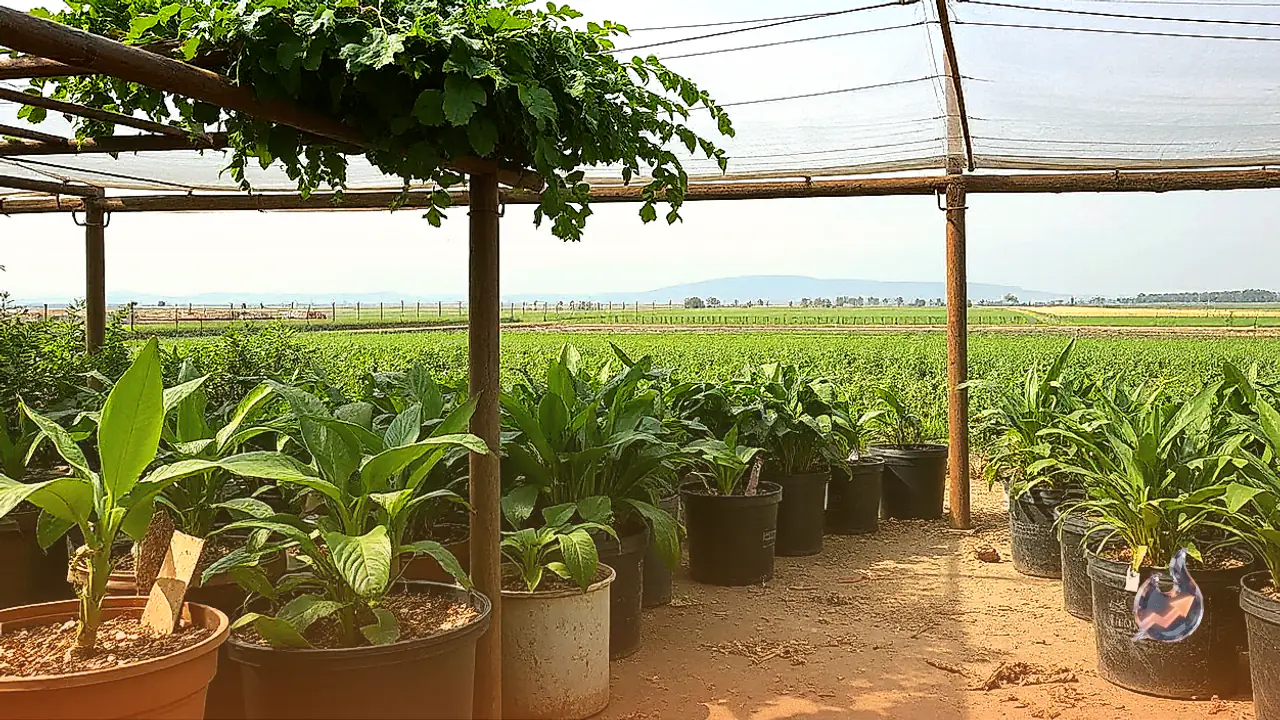























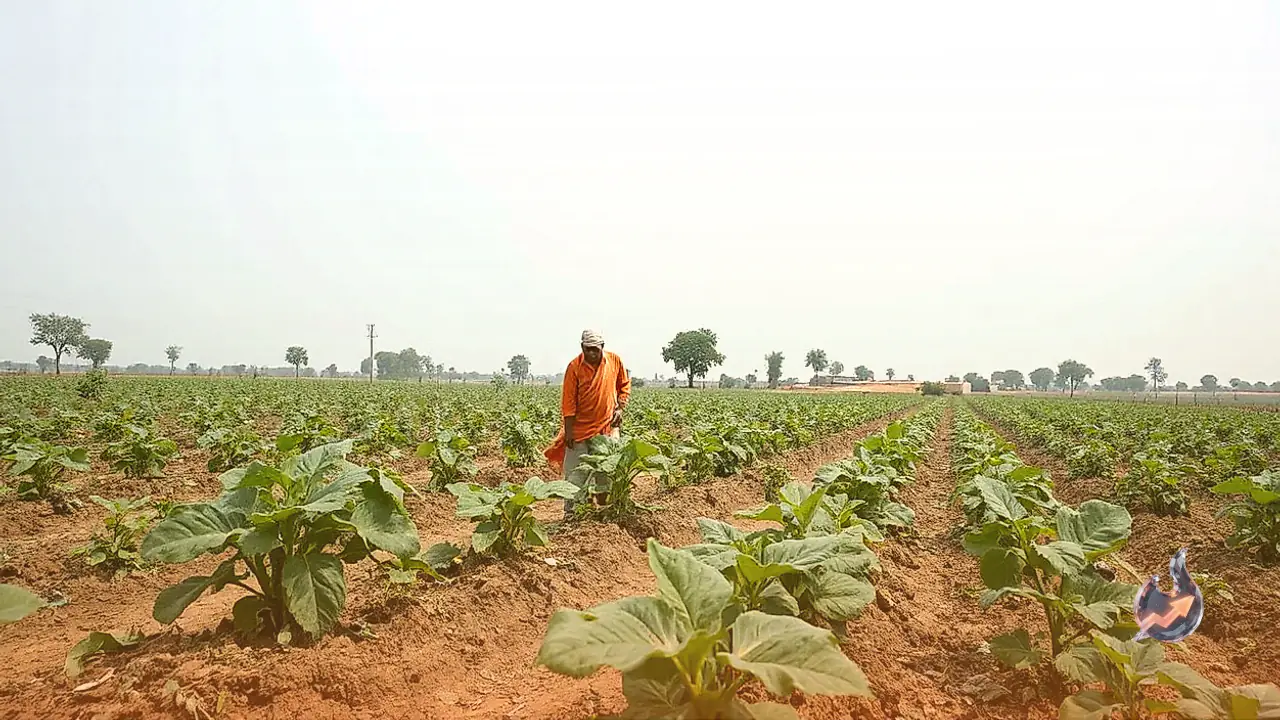

Vegetable growers in the Bastar region of Chhattisgarh are tackling destructive pest infestations through an economical and practical method. Farmers cultivating vegetables across the area frequently face severe insect outbreaks that threaten to ruin entire standing crops. To address this persistent hazard, growers are setting up specialized fruit fly traps across their fields, offering an effective safeguard without straining their agricultural budgets.
How the Trapping Mechanism Functions
Various kinds of pest prevention tools are available across local markets to protect vegetable plantations from damaging insects. Among these, traps priced at roughly 400 rupees each have emerged as a dependable option for growers. Proper coverage across a single acre of farmland typically requires installing 12 such units. The installation process is straightforward: each trap is firmly secured to an upright wooden stake placed amid the crops. Inside the container, farmers pour a designated liquid chemical that emits an appealing scent. Drawn by this specific aroma, fruit flies and other harmful pests enter the container, become trapped inside, and perish.
Minimal Maintenance and Long-Lasting Chemical Refills
A farmer managing six acres of vegetable cultivation decided to order and implement these traps across his fields after learning about their practical utility. Operating the traps over an extended period requires very little ongoing expenditure. The specialized chemical solution placed within the container costs merely 45 rupees per refill. A single charge of this liquid remains potent and functional for approximately three months. Depending on the duration and nature of the crop cycle, farmers only need to refresh the liquid once every quarter to maintain continuous protection.
Substantial Relief from Expensive Chemical Sprays
Without such physical trapping solutions in place, growers are forced to rely repeatedly on conventional agricultural sprays and commercial pesticides to shield their vegetables from pest damage. Applying multiple rounds of chemical sprays across agricultural fields can push protective expenses up to 10,000 rupees. In comparison, relying on the 400-rupee trap drastically reduces these recurring costs. This affordable approach not only shields farm budgets from steep pesticide bills but also keeps vegetable crops healthier and free from destructive pest attacks.