
















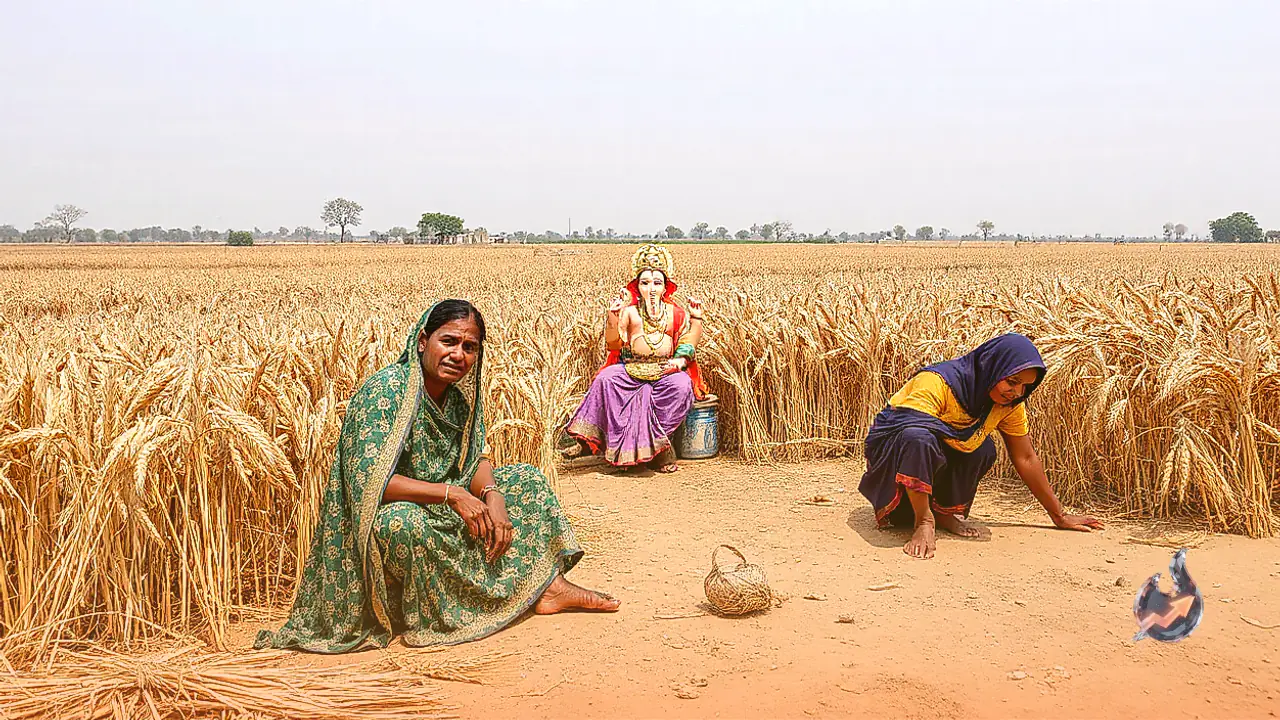

A sustainable handicraft initiative in the Bahraich district of Uttar Pradesh is drawing wide attention ahead of Diwali festivities. As markets bustle with festive decor and religious figurines, an eco-friendly craft developed under the local product development scheme is standing out. Artisans are utilizing harvested wheat stalks to craft detailed, shimmering portraits of Lord Ganesha and Goddess Lakshmi. This natural technique offers a creative alternative to conventional decor while addressing rural livelihood needs.
Long-Lasting Craftsmanship That Shines With Age
According to artisan Gopal Gupta, natural wheat stalks are transformed into specialized wall portraits and decorative mementos. The defining quality of these items is their exceptional resilience and resistance to rapid deterioration. Unlike conventional decorative materials that lose their luster, the natural golden sheen of these wheat stalks actually deepens and intensifies as time passes. Because of this durability and unique visual finish, interest in these handcrafted frames has extended from Bahraich to buyers across several parts of the country.
The Intricate Process Behind Every Frame
Converting agricultural material into refined living room art demands significant time and precise craftsmanship. The procedure begins right in the fields, where selected wheat stalks are harvested specifically for craft use. Once brought in, the stalks undergo meticulous cleaning to ensure zero impurities remain. Artisans then draft the intricate outline of the artwork onto the frame backing. Each stalk is individually cut, positioned, and fixed into place. A single portrait or memento requires roughly two to two and a half days of continuous and painstaking manual work to achieve the final finish.
Pricing, Dimensions, and Customization Options
The collection offers choices tailored to varied decorative preferences and interior spaces. The primary showcase piece crafted for this season measures 17×23 inches, providing a balanced display for living spaces or home temples. This standard model is priced between 2,000 and 2,500 rupees. In response to strong buyer interest, artisans also offer complete customization, producing smaller or larger dimensions based on individual customer specifications and budgets.
Livelihoods for Rural Women and Prison Inmates
Beyond its eco-friendly aesthetic, this enterprise serves as a substantial engine for social empowerment and rehabilitation. Approximately 80 rural women are directly involved in crafting these artworks, gaining financial independence through steady employment. Furthermore, the initiative extends into the district jail, where both male and female inmates receive structured training in the craft to help them develop viable skills for reintegration into mainstream society. To date, Gopal Gupta and his team have trained between 500 and 1,000 individuals across various states, and their craft workshops continue to expand.