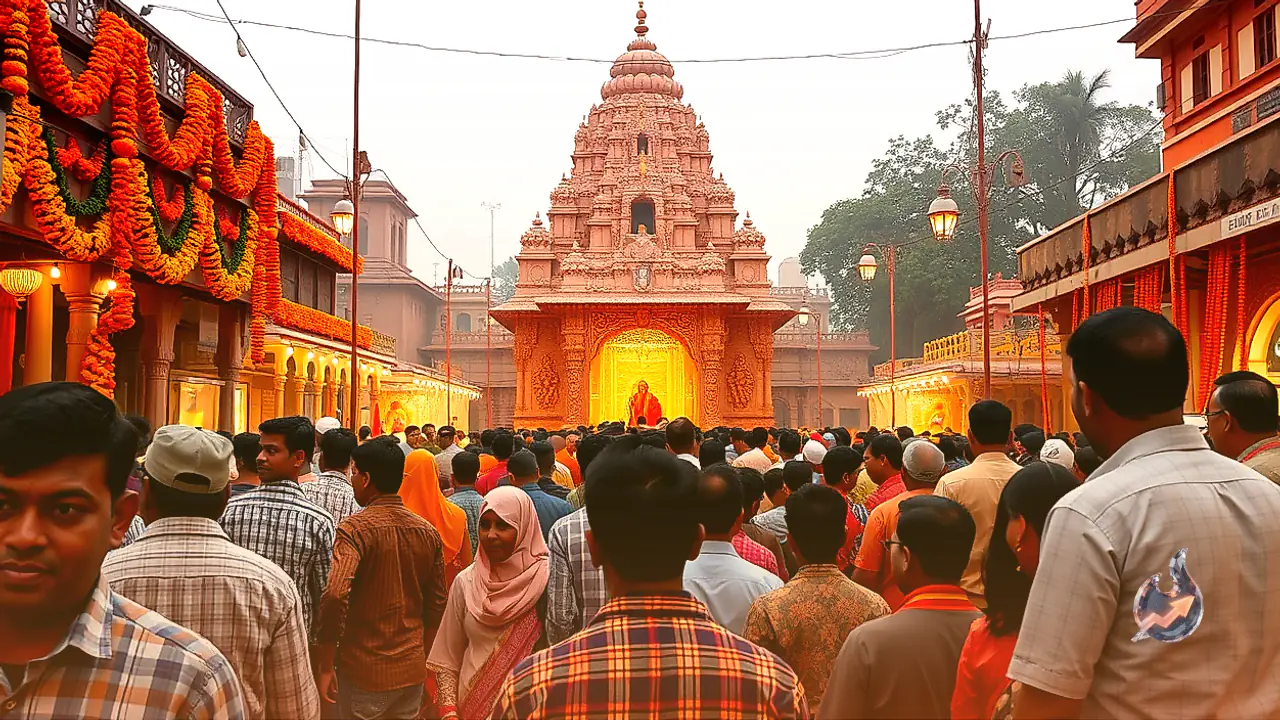
















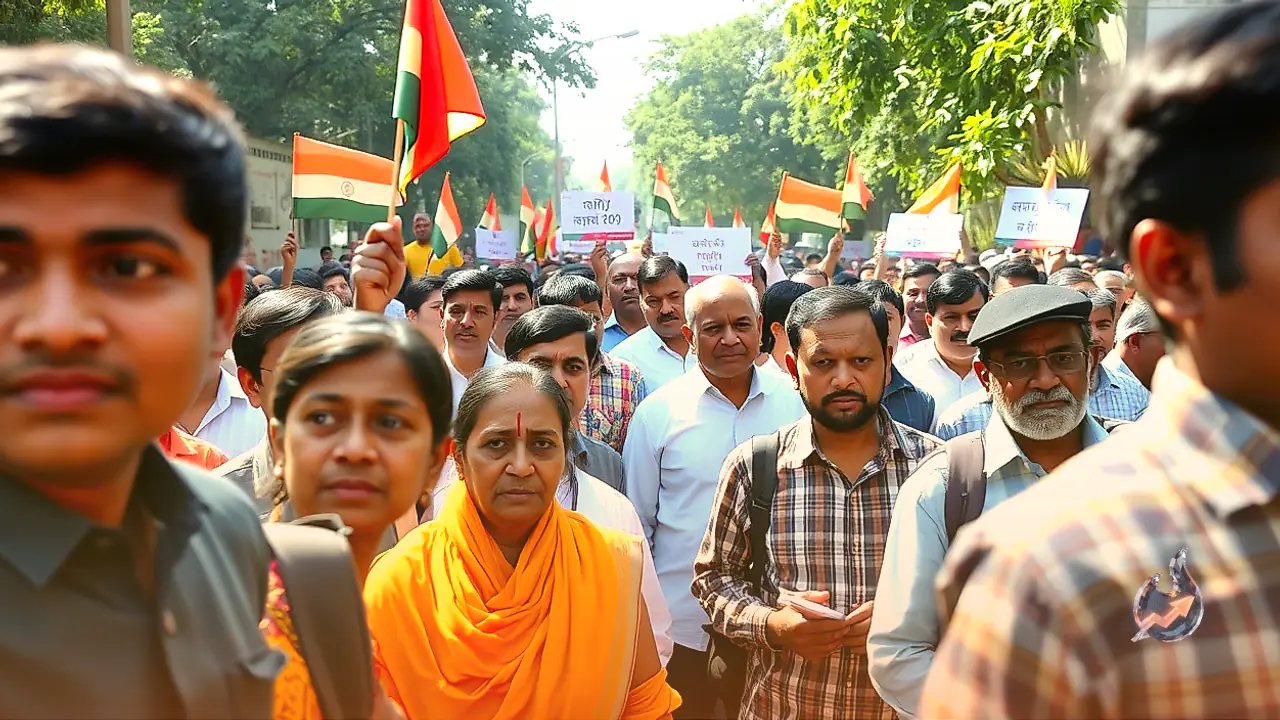

To shield students from external disruptions during critical competitive entrance tests, a key parliamentary panel has urged strict administrative curbs on public rallies and procedural overhauls. The Parliamentary Standing Committee on Education, Women, Children, Youth and Sports, chaired by Rajya Sabha MP Mukul Wasnik, presented its report on reforming and strengthening the National Testing Agency to the Chairman of the Rajya Sabha on Friday. The panel strongly advised that district administrations should refuse permission for any rally, procession, or massive assembly on exam days so that transport corridors remain unobstructed and candidates are spared avoidable transit bottlenecks.
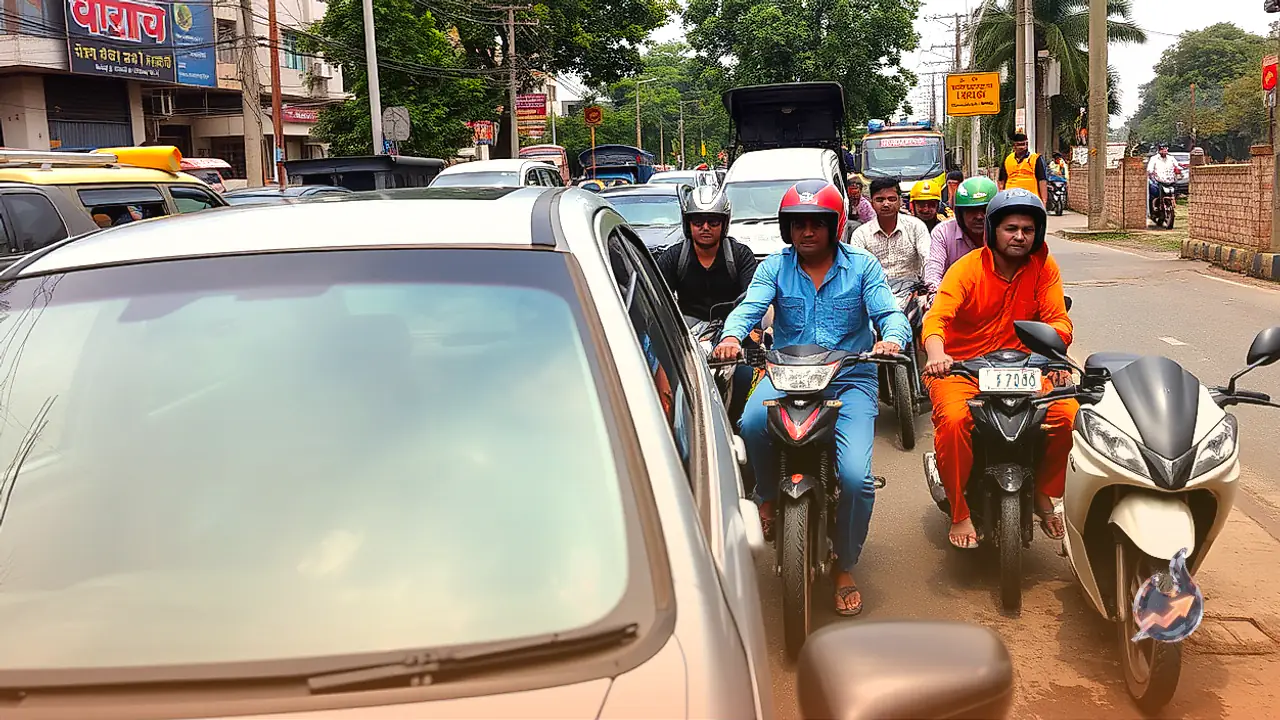
Traffic Snarls from Processions Jeopardise Student Aspirations
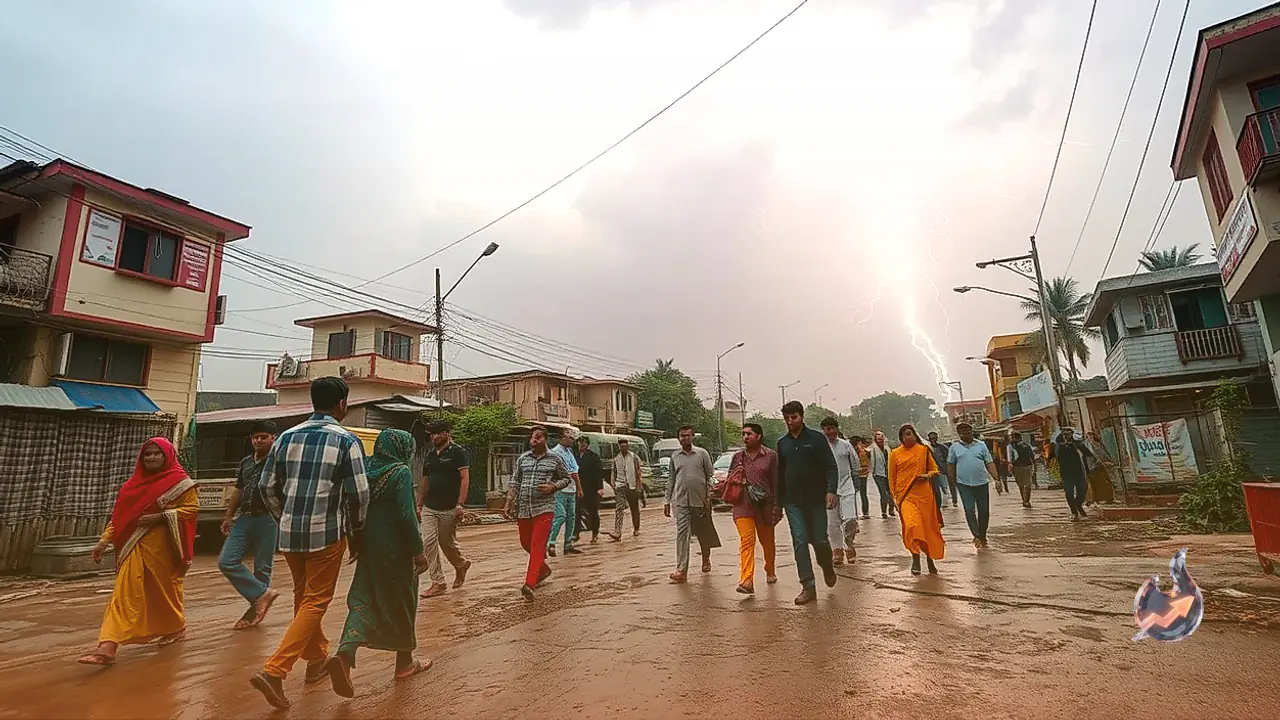
The panel's comprehensive findings follow nationwide controversies surrounding the National Eligibility cum Entrance Test paper leak row and widespread administrative failures within the National Testing Agency. The public outcry led to massive student demonstrations across the country, eventually culminating in the resignation of the then Education Minister Dharmendra Pradhan. In its review, the committee highlighted that large gatherings and public processions create major vehicular gridlocks, often causing students to miss strictly enforced reporting cut-offs at exam venues.
To fix this systemic failure, the committee recommended amending the Public Examinations (Prevention of Unfair Means) Act, 2024. The amendment should legally mandate district administrations to deny permissions for rallies, processions, and public congregations on designated examination dates. Furthermore, district authorities must coordinate advance traffic and law-and-order arrangements so that candidates encounter zero avoidable logistical impediments on their way to test centres.
Minutes-Long Delay Must Not Cost an Entire Academic Year
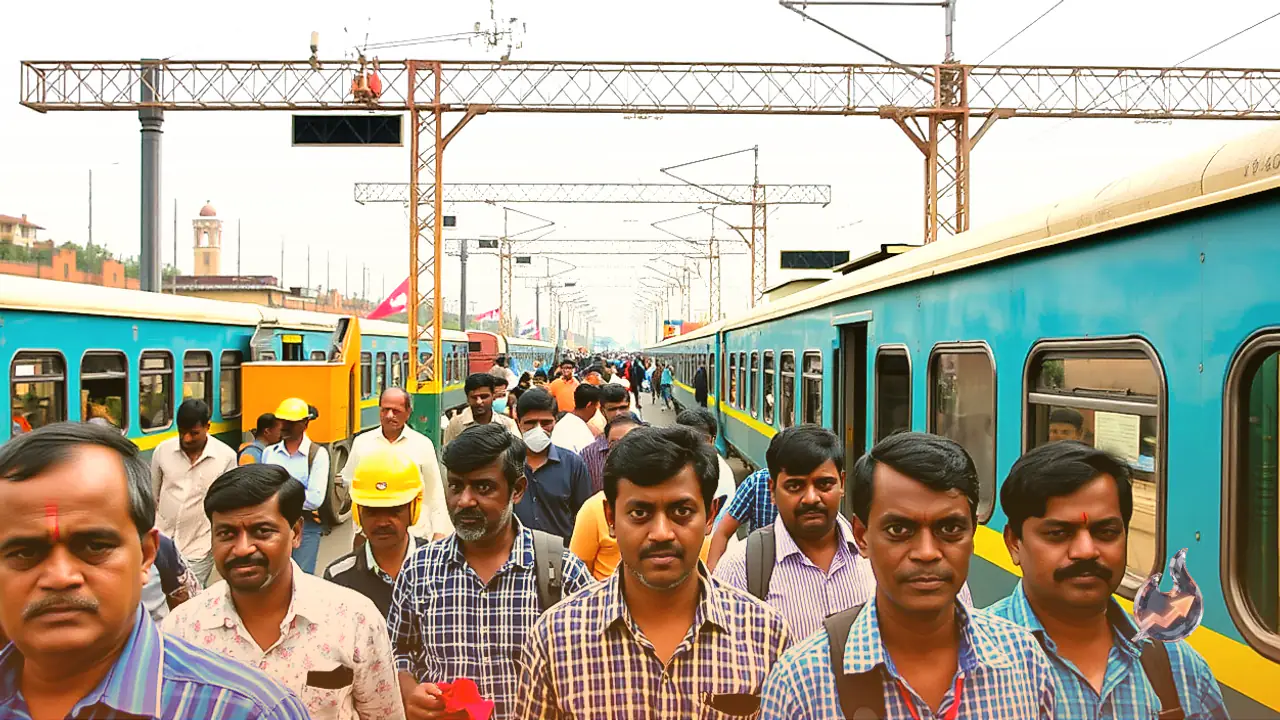
Under current operating procedures, the National Testing Agency primarily issues general advisories urging students to set out very early and navigate around scheduled local events independently. The parliamentary panel criticised this rigid operational posture, noting that candidates who arrive even a few minutes late are routinely barred from stepping through the centre gates. Such strict disqualifications instantly wipe out an entire year of dedicated preparation and hard work.
Acknowledging that genuine and unforeseen emergencies can stall candidates on route, the committee outlined a balanced alternative. It proposed an official mechanism where late-coming candidates are allowed into the examination hall after signing a written undertaking documenting the specific reason for their delay. However, to safeguard exam integrity, the panel explicitly noted that such students must be permitted to sit for the paper only during the remaining duration, with absolutely no compensatory time granted under any circumstance.
Separate 15-Minute Window for In-Hall Formalities
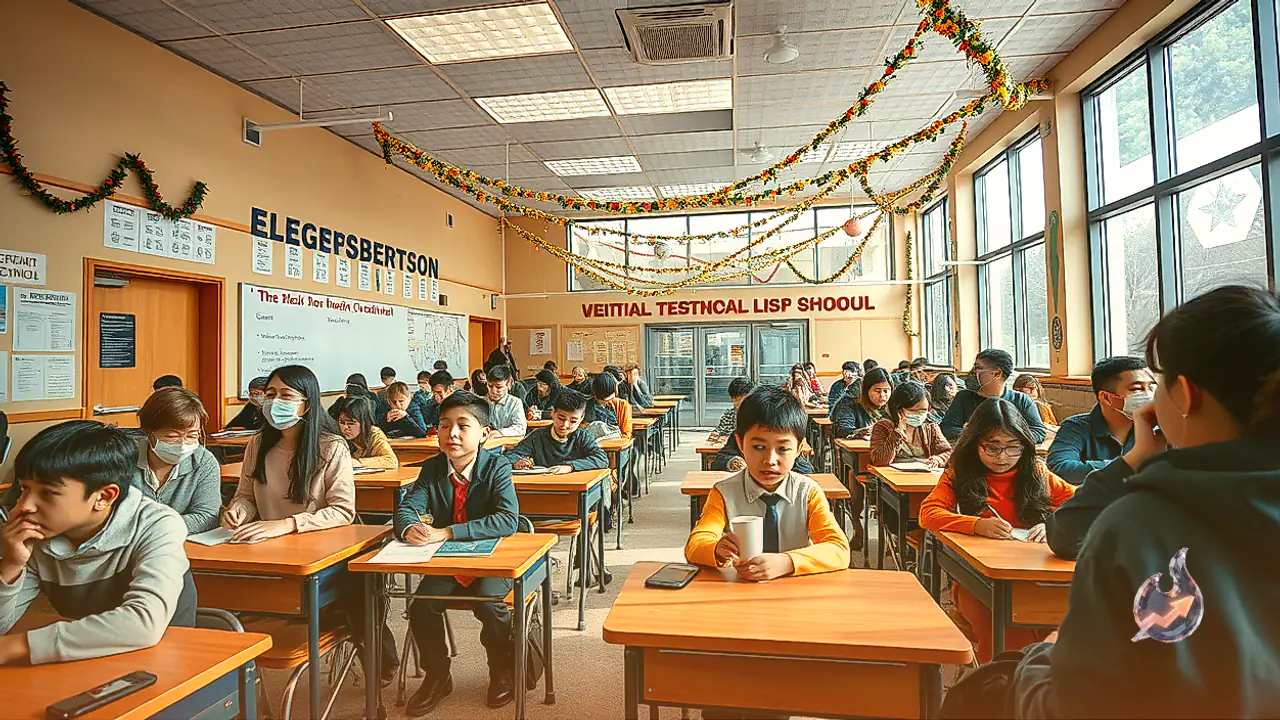
The committee also took serious note of disruptions unfolding inside the examination room while papers are actively underway. Invigilators regularly interrupt candidates to obtain signatures, verify admit cards, and complete bureaucratic protocols while students are already grappling with intense time limits. The panel observed that these ongoing checks scatter attention and cost students precious testing minutes.
To eliminate this distraction, the committee urged that all administrative formalities be strictly decoupled from active testing hours. The panel recommended carving out a dedicated 15-minute slot either before the test officially begins or right after it concludes. Keeping the core examination duration completely free from administrative intrusions would allow students to maintain focus without facing avoidable anxiety.