







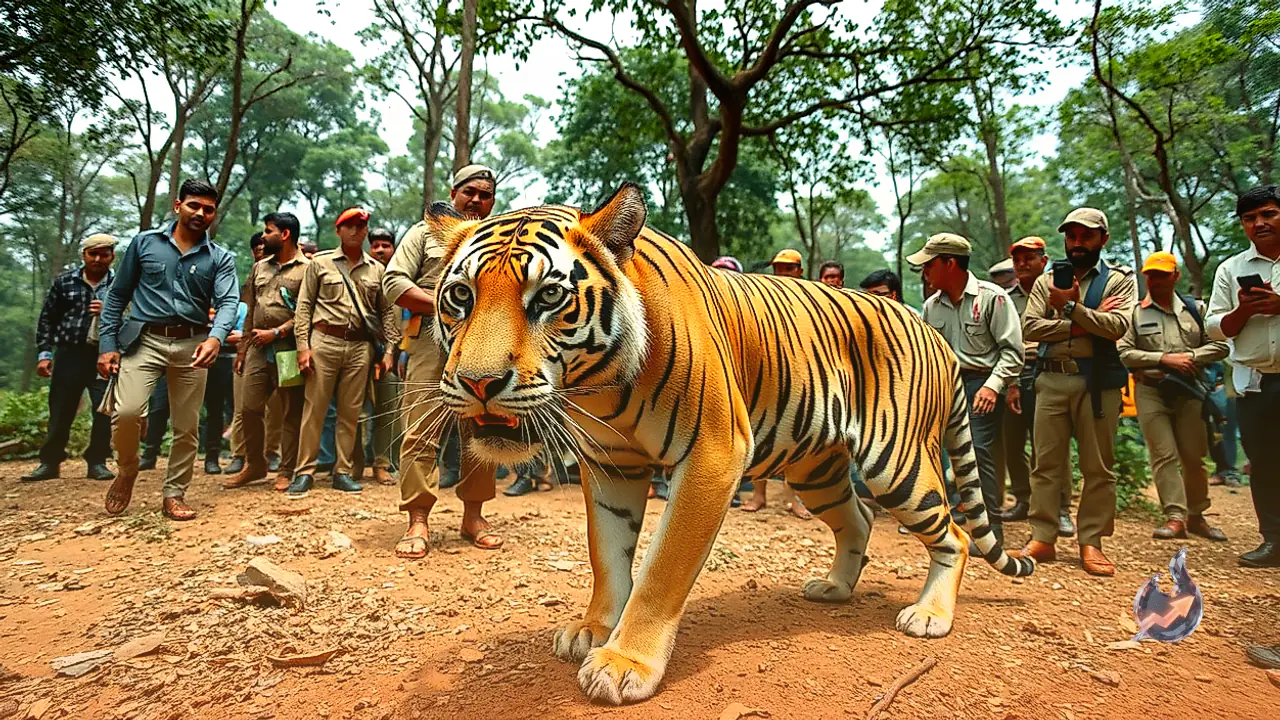














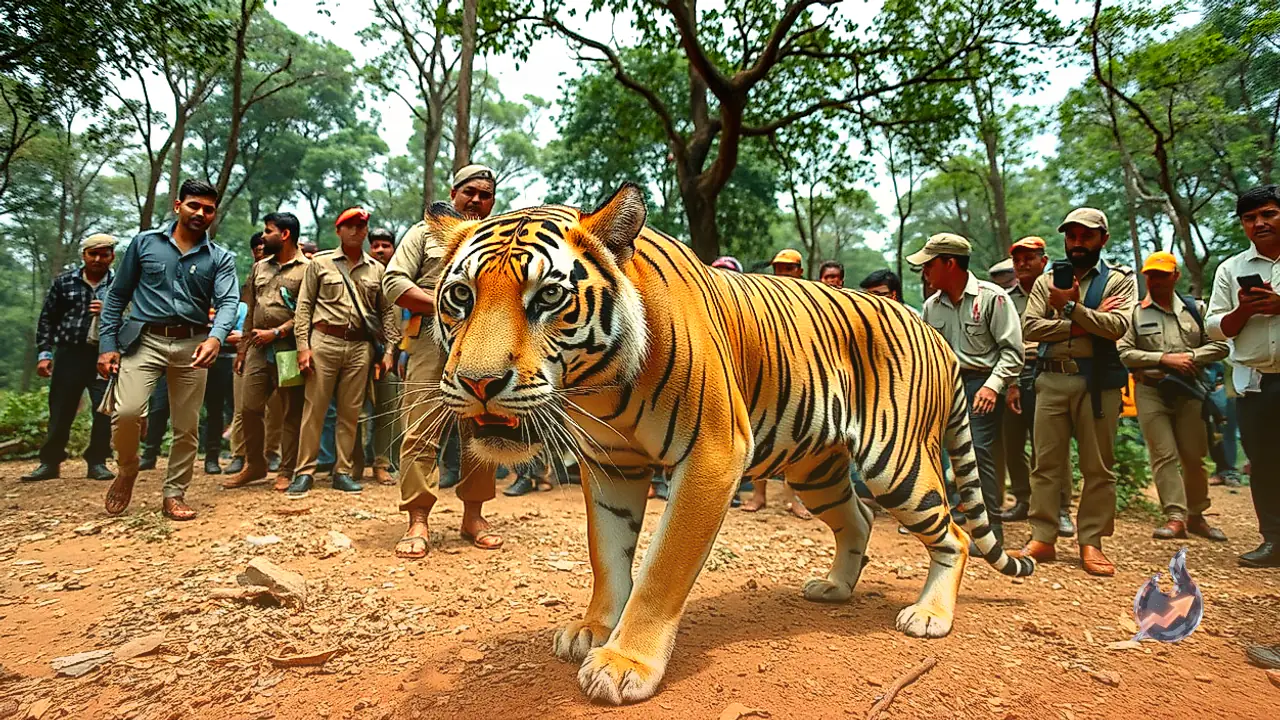

Territorial disputes among apex predators have intensified in Rajasthan's renowned Ranthambhore National Park. In the latest incident reported from Zone 6, the widely tracked adult male tiger T-108, popularly known as Jai, was spotted nursing noticeable facial wounds. Field personnel noticed distinct injuries across the animal's face, sparking immediate operational concern across the sanctuary management. Initial assessments strongly suggest that these injuries resulted from a fierce physical confrontation with another rival male over territorial boundaries.
Intensive Field Surveillance and Veterinary Assessment
Following the discovery of the wounds on tiger T-108, authorities immediately placed wildlife teams on high alert. Forest surveillance units are working round the clock to track the big cat's daily trajectory and monitor its general physical condition. Concurrently, a medical squad from the local wildlife veterinary hospital has been engaged to conduct visual evaluations of the predator. Veterinarians are continuously observing the severity of the cuts, assessing whether natural healing is progressing or if direct medical intervention will be necessary.
Sharing an update on the tiger's current status, Ranthambhore DFO Manas Singh affirmed that dedicated field teams remain stationed to keep constant watch over the animal. He noted that regular monitoring is being executed specifically to catch any sudden deterioration in the big cat's health. Sanctuary officials confirmed that subsequent conservation actions and field protocols will strictly depend on the day-to-day data gathered from these ground observations.
Surging Predator Numbers Escalate Territorial Conflicts
Physical skirmishes over territorial mastery are a well-documented behavioral pattern among big cats in Ranthambhore. Adult male tigers routinely defend their home ranges from intruding contenders to secure mating rights and abundant hunting pockets. Nonetheless, a steady rise in the local tiger count within the reserve has turned these routine rivalries into a demanding administrative task for forest managers. The spatial density inside the habitat has sharply increased, leading to far more frequent border friction between resident males.
Such aggressive clashes regularly leave prominent predators nursing serious wounds. Consequently, sanctuary administrators now bear the heavy operational responsibility of vigilantly tracking multiple tigers across adjacent zones to avert critical fatalities. Forest guards must ensure that injured individuals remain mobile, capable of hunting, and safe from further aggressive encounters while recuperating.
Lineage and Domain of Tiger T-108
Tiger T-108 holds an established legacy within the sanctuary ecosystem. He is the offspring of famous tigress T-8, widely known as Ladli, and male tiger T-34, famously named Kumbha. Forestry records define Jai's active dominance zone across an extensive corridor stretching from Zone 6 through Zone 10. While he continues to frequent this recognized territory, field foresters remain firmly focused on his recuperation, timing any potential veterinary steps around ongoing diagnostic reports from the wild.