





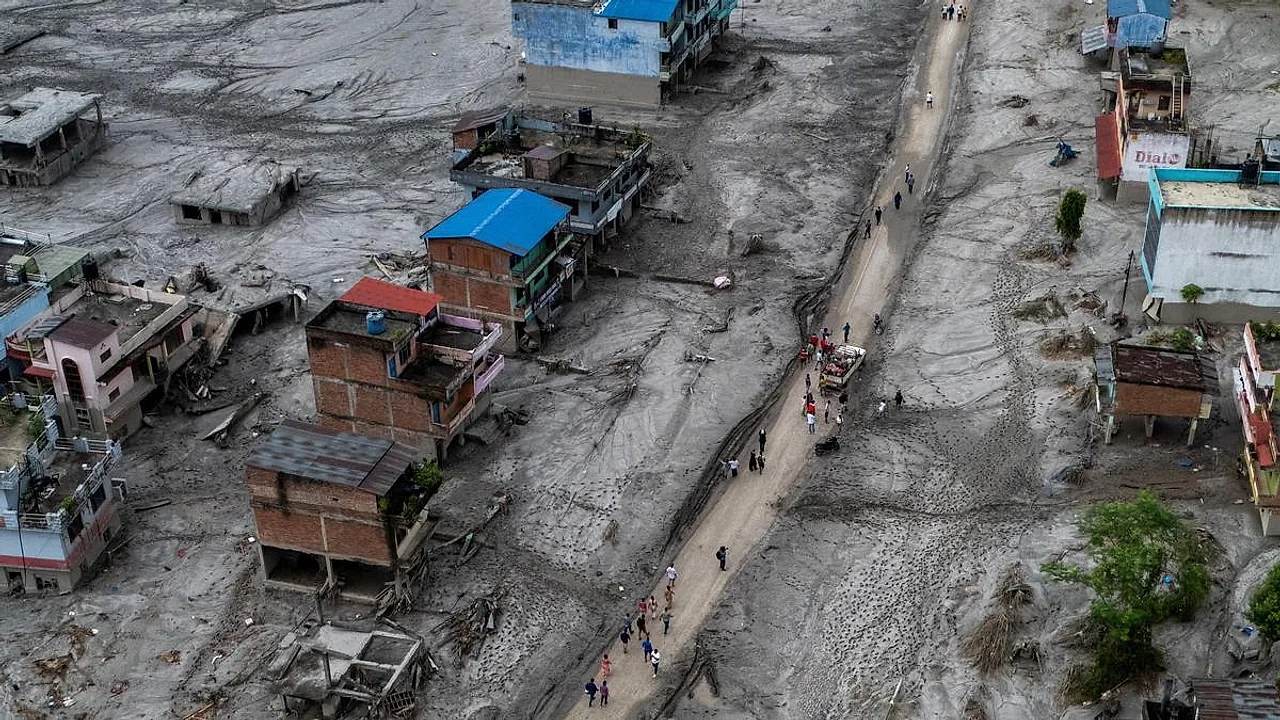















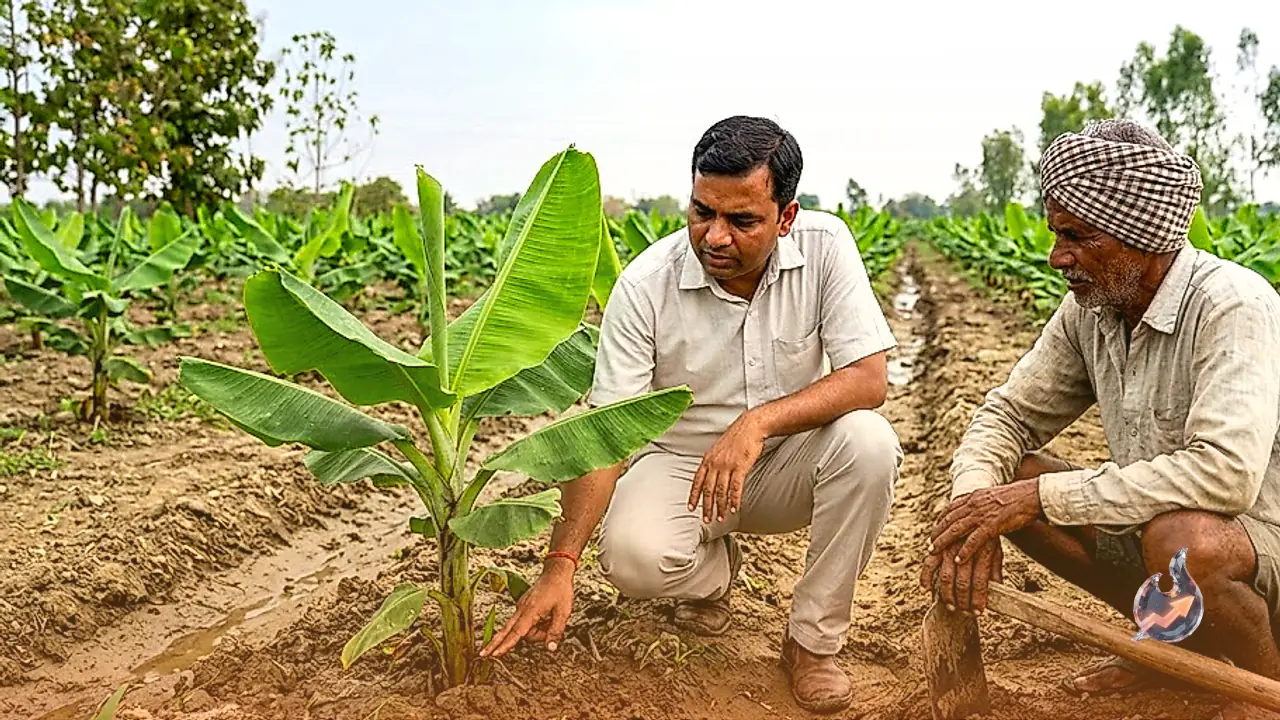

Monsoon rains are in full swing, and banana crops across the fields are slowly maturing along with them. Many farmers are still in the middle of transplanting fresh banana saplings this season. The same rain that helps the crop grow also brings its own set of risks, because rising moisture levels create ideal conditions for pests and diseases to take hold. So how should farmers protect their banana plants from these risks, so that growth stays strong and the fruit that eventually comes is of good quality? Dr. Surya Prakash Mishra, an agricultural scientist at the Krishi Vigyan Kendra in Sultanpur, has laid out a few simple but essential steps that can help keep banana crops safe through the rainy season.
Fix the drainage first
According to Dr. Mishra, the monsoon season is generally considered good for banana cultivation, but continuous rainfall brings its own set of problems. When water accumulates in the field, the roots of the banana plants don't get enough oxygen, and this gradually weakens the plants. Once the roots are starved of oxygen, growth slows down and it eventually shows up in the quality of the fruit too. That's why he recommends that the very first step in banana farming during the rains is to set up proper drainage, so that water doesn't stay stagnant in the field for too long and the roots keep getting the air they need.
Inspect plants regularly and treat symptoms early
Farmers should keep inspecting their fields on a regular basis. If the leaves of any plant start turning yellow, the stem begins to rot, or the plant looks wilted, it shouldn't be brushed aside as minor. As soon as such symptoms appear, they need to be identified and treated right away. Dr. Mishra says that if these symptoms are caught at an early stage, the disease can be stopped from spreading further and the entire crop can be saved. Any delay can let a small, early problem spread across the whole field and cause much bigger losses.
Guarding against leaf spot, stem rot and root rot
During the rainy season, banana crops face different diseases and pest attacks depending on the weather. This is the period when leaf spot disease, stem rot, root rot and various other pests tend to increase. To prevent this, the field must always be kept clean, and weeds should be removed regularly, since dirt and weeds are the biggest reason pests and diseases thrive. Any leaves that appear infected should be cut off and carried out of the field to be destroyed. Fungicides and pesticides should be used only when actually needed, and even then in limited quantities, because an excessive dose can end up harming the plants instead of helping them.