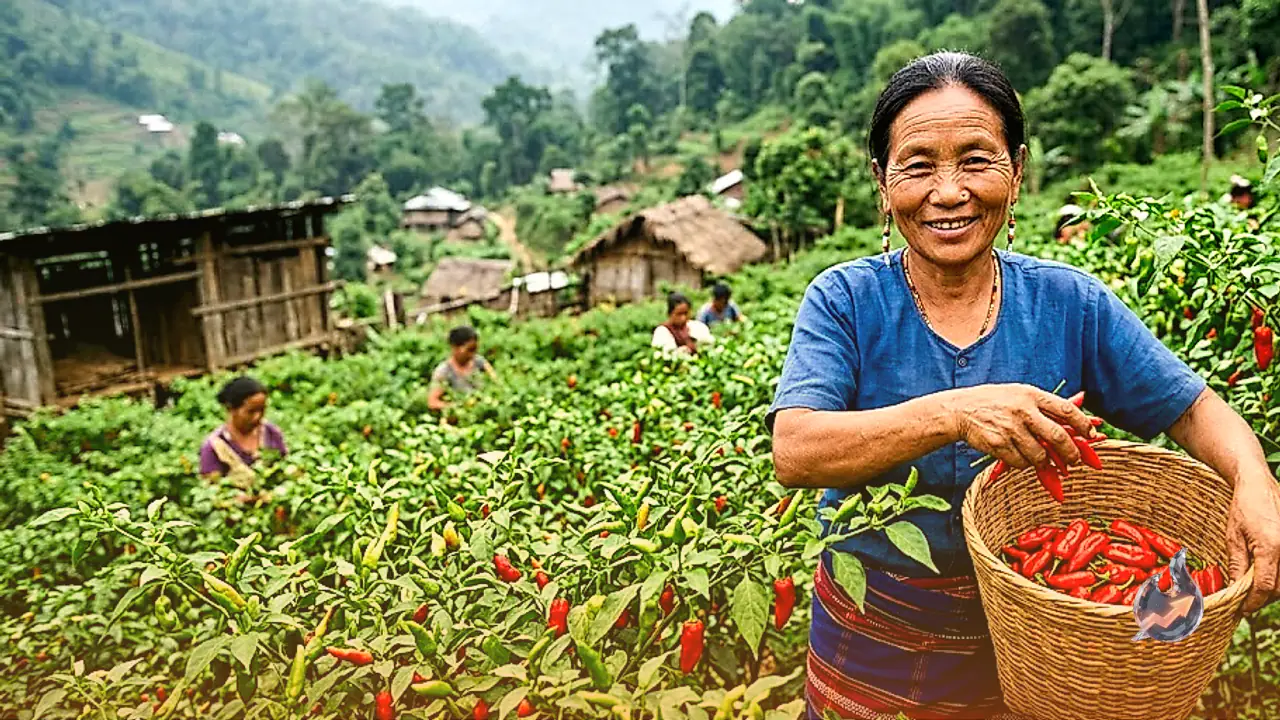























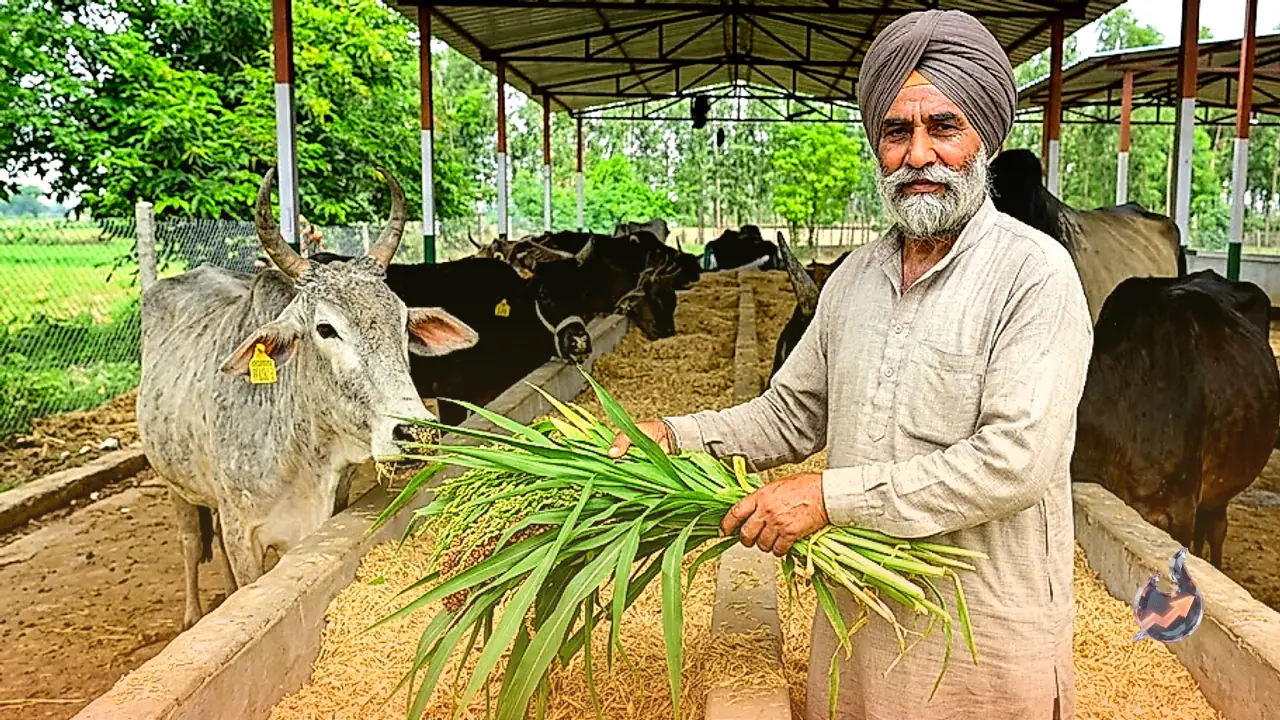

The first monsoon showers turn fields across the country green with napier grass, sorghum and maize, and for dairy farmers this fresh fodder looks like the easiest way to push up milk yields. But veterinary experts and experienced farmers warn that the same green fodder can turn risky for cattle if it isn't fed the right way during the rains. Wet or dew-soaked fodder fed in large quantities can cause bloating and diarrhoea in animals, so farmers are advised against dumping freshly cut, abundant fodder straight in front of their cattle. A planned, balanced feeding routine is what keeps animals healthy without hurting milk output.
Ranjod Singh, a progressive young farmer from Shahjahanpur, says monsoon green fodder is rich in nutrients but carries too much water and too little fibre. Feeding large amounts of it suddenly causes gas to build up in an animal's stomach. His advice is to always dry the green fodder briefly in the sun or mix it with dry straw before feeding it to cattle. He also recommends paying special attention to the cleanliness of drinking water during this season and giving deworming medicine regularly. Mineral mixture, he says, should never be skipped, since it is what keeps an animal's immunity intact.
Precautions before feeding wet fodder
Moisture levels in green fodder shoot up during the rains, so it should never be fed to cattle immediately after being cut from the field. Instead, the cut fodder should be spread out in a shaded, airy spot for a few hours so its excess moisture dries off naturally. Skipping this step and feeding wet, contaminated fodder raises the risk of toxicity in animals. The safest approach is to wash the fodder in clean water first and then cut it into small pieces before feeding.
Stick to the 60:40 feed ratio
Feeding only green fodder through the monsoon is not considered ideal; a balanced diet is the safer, more scientific approach in this season. Cattle's daily feed should mix 60 percent green fodder with 40 percent dry fodder such as wheat straw. Extra care is needed while feeding sorghum, which should never be too young or too dry, since sorghum in that state can develop a poisonous compound called hydrocyanic acid. Cattle should only be fed sorghum that has already flowered.
What to add to the diet to sustain milk output
Keeping milk production steady through the rains depends on giving cattle a properly balanced feed. The general rule is at least one kilogram of grain or feed mixture for every two litres of milk an animal produces. On top of that, 50 grams of good-quality mineral mixture and salt should be added to the daily diet. This prevents nutrient deficiencies, keeps the animal's immunity strong, and helps maintain both the thickness and the quantity of milk.
Shed hygiene and disease prevention matter just as much
The monsoon season brings the highest risk of udder infections such as mastitis, along with diseases like foot-and-mouth disease. To prevent this, cattle sheds must be kept dry and clean at all times, with no mud allowed to collect on the floor. Udders should be cleaned with a potassium permanganate solution both before and after milking. Timely vaccination and fumigating the shed with camphor or neem leaves to keep mosquitoes and flies away are equally important precautions.