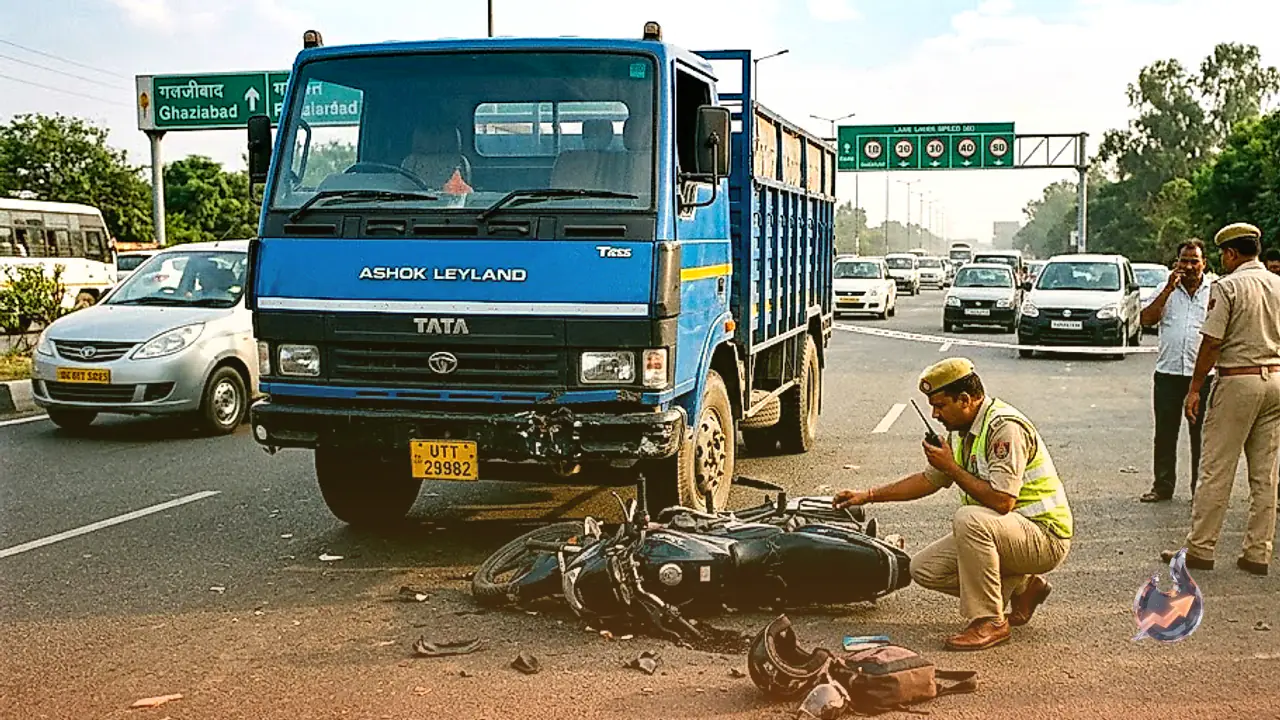
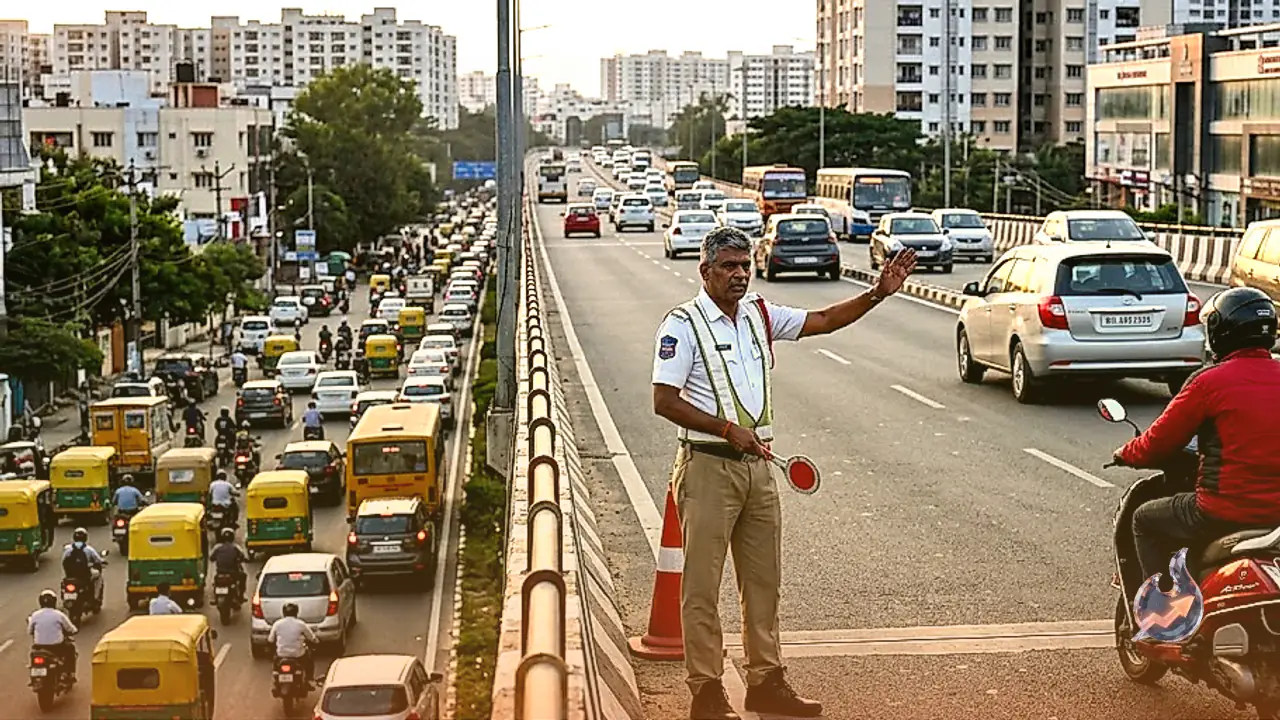






















The Bengaluru Traffic Police have announced new operational restrictions regarding the movement of specific vehicle categories across five major flyovers within the city limits, citing pressing road safety concerns and the need for smoother traffic management. These regulatory changes will directly impact two-wheeler commuters, passenger auto-rickshaws, and various classifications of goods carrying vehicles at designated locations across the urban transit network.
Affected Flyovers Across The City
According to official announcements, the restrictions encompass the BGS Sirsi Circle flyover situated along Mysuru Road, the Peenya flyover, the Electronics City Elevated Expressway, the metro double-decker flyover connecting Silk Board and Ragigudda, and the Ballari Road airport corridor stretching between Sanjeevnagar Cross and Vidyashilp Junction.
Implementation Timelines
The rollout of these regulatory measures is scheduled in phases. Restrictions concerning the Sirsi Circle, Peenya, double-decker, and airport road flyovers are slated to come into force starting September 4. Meanwhile, the stricter regulations mapped for the Electronics City Elevated Expressway will officially be implemented beginning September 11.
On the Mysuru Road BGS flyover, heavy goods vehicles face a round-the-clock prohibition. Other commercial goods haulers, inclusive of three-wheeler goods auto-rickshaws, face strict operational limitations restricted between the morning hours of 7 am and 11 am, and evening hours from 4 pm to 10 pm. Over at the Peenya flyover, passenger auto-rickshaws along with three-wheeler goods carriers are barred from operating entirely around the clock, while heavy and medium commercial haulers must navigate peak morning and evening restriction windows.
Extensive Rules For Electronics City And Other Corridors
The Electronics City elevated expressway encounters some of the most comprehensive regulatory measures. Heavy, medium, and light goods vehicles are barred from utilizing the stretch between 6 am and 10 pm. Furthermore, two-wheelers, passenger auto-rickshaws, and three-wheeler goods carriers face total round-the-clock bans when these regulations take effect on September 11. The Silk Board to Ragigudda double-decker flyover enforces a continuous 24-hour ban specifically targeting heavy goods transport. Lastly, the elevated corridor between Sanjeevnagar Cross and Vidyashilp Junction prohibits two-wheelers and auto-rickshaws entirely 24 hours a day, while all categories of goods vehicles remain restricted from operating between 6 am and 10 pm.