






















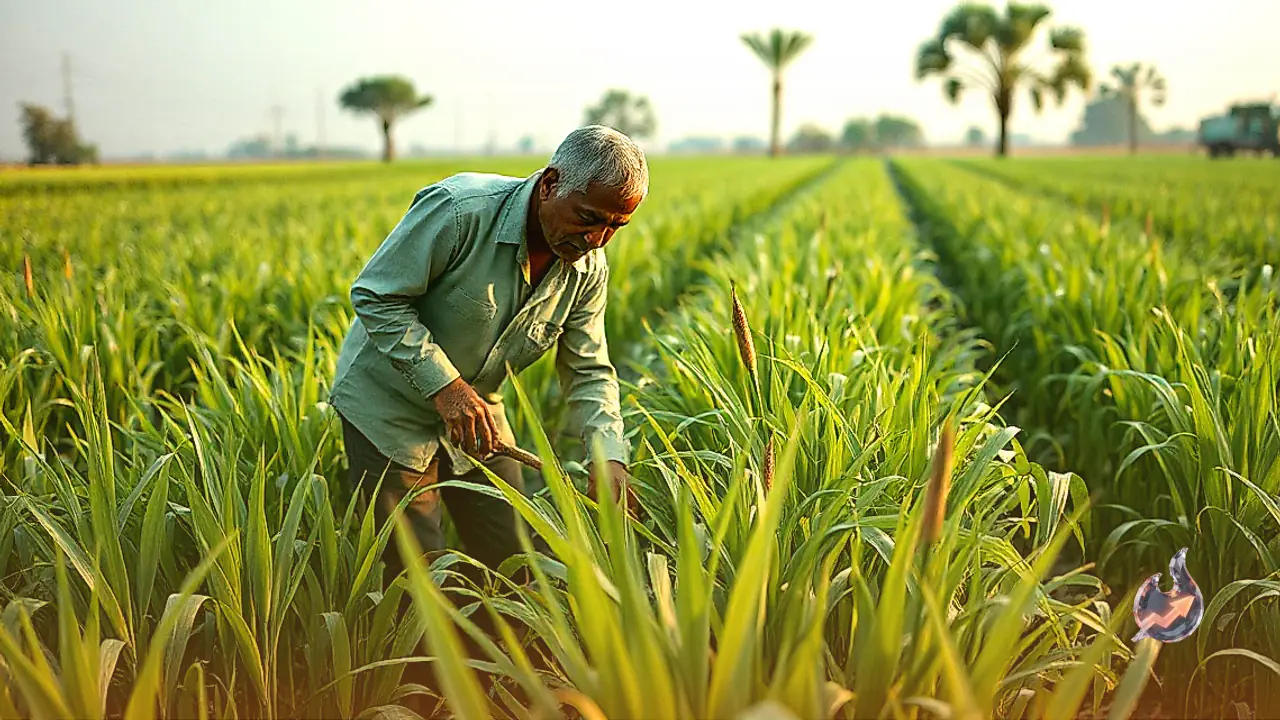

Paddy transplantation for Basmati varieties is currently underway across major agricultural belts in India, including Shahjahanpur. Agricultural experts regard this seasonal window as optimal for transplanting paddy seedlings. However, immediately after seedlings are placed in the soil, farmers face a recurring challenge as various wild grasses and weed species begin sprouting rapidly alongside the crop. These unwanted weeds compete directly with young paddy plants for essential soil nutrients, fertilizers, water, and sunlight. If left unmanaged in the early phase, weed infestation severely undermines both overall yield volume and grain quality. Consequently, structured weed management right after transplantation is indispensable for protecting farm output.
Importance of Weed Management in the First 3 to 7 Days
The initial 3 to 7 days following paddy transplantation represent the most sensitive phase for weed control. Highlighting this critical timeline, progressive young farmer Ranjod Singh stated that farmers should apply suitable pre-emergence herbicides within 2 to 3 days of transplantation before weed seeds begin germinating. Applying crop protection chemicals promptly neutralizes weed seeds beneath the soil surface, preventing them from emerging. Maintaining a standing water layer of 2 to 3 inches in the field during application is vital. Adopting the correct chemical treatment and application method at the right time promotes robust crop growth while reducing vulnerability to pest attacks and crop diseases.
Recommended Pre-Emergence Herbicides
Preventing weed growth immediately after transplantation is the most effective approach to safeguarding the paddy crop. Agricultural recommendations emphasize applying pre-emergence herbicides such as Pretilachlor, Butachlor, or Pyrazosulfuron within 2 to 3 days post-transplantation. These active compounds form a protective chemical barrier across the top layer of the soil, destroying weed seeds before germination occurs. If application is delayed and weeds are allowed to grow, early-stage pre-emergence formulations lose their efficacy against mature weed growth, making early action essential.
Application Techniques and Field Safety
Executing herbicide treatment demands proper technique and careful application. Farmers should thoroughly mix the recommended dose of herbicide in water and spray it uniformly across the entire field using a sprayer fitted with a cut-nozzle. Alternatively, if mixing the chemical with dry sand or urea fertilizer for broadcasting, farmers must ensure even distribution across every part of the plot. Concentrated dumping of chemical mixtures in localized spots can burn delicate rice shoots, leading to severe leaf yellowing and crop damage.
Key Precautions and Soil Moisture Management
Effective weed management relies heavily on precise water control and weather considerations during chemical application. Standing water of 2 to 3 inches should be present in the field during treatment, and adequate soil moisture must be maintained for the subsequent 3 to 4 days. Farmers should refrain from spraying during windy conditions to avoid chemical drift and wastage. Additionally, chemical application during peak sunlight or hot afternoon hours must be avoided; spraying should strictly occur in early morning or late evening hours. Spray operators must cover their face with a mask or cloth and protect their hands to ensure safety.
Post-Emergence Care at 20 to 25 Days and Yield Benefits
Should any stray weeds appear 20 to 25 days after transplantation, farmers are advised to conduct manual weeding or apply post-emergence weedicides upon consulting agricultural experts. Maintaining a weed-free field ensures that paddy plants receive unobstructed access to fertilizers, moisture, aeration, and sunlight. This optimal environment encourages extensive tillering, develops strong root systems, and ultimately delivers a bumper harvest of premium Basmati grain, enabling farmers to command superior market prices.