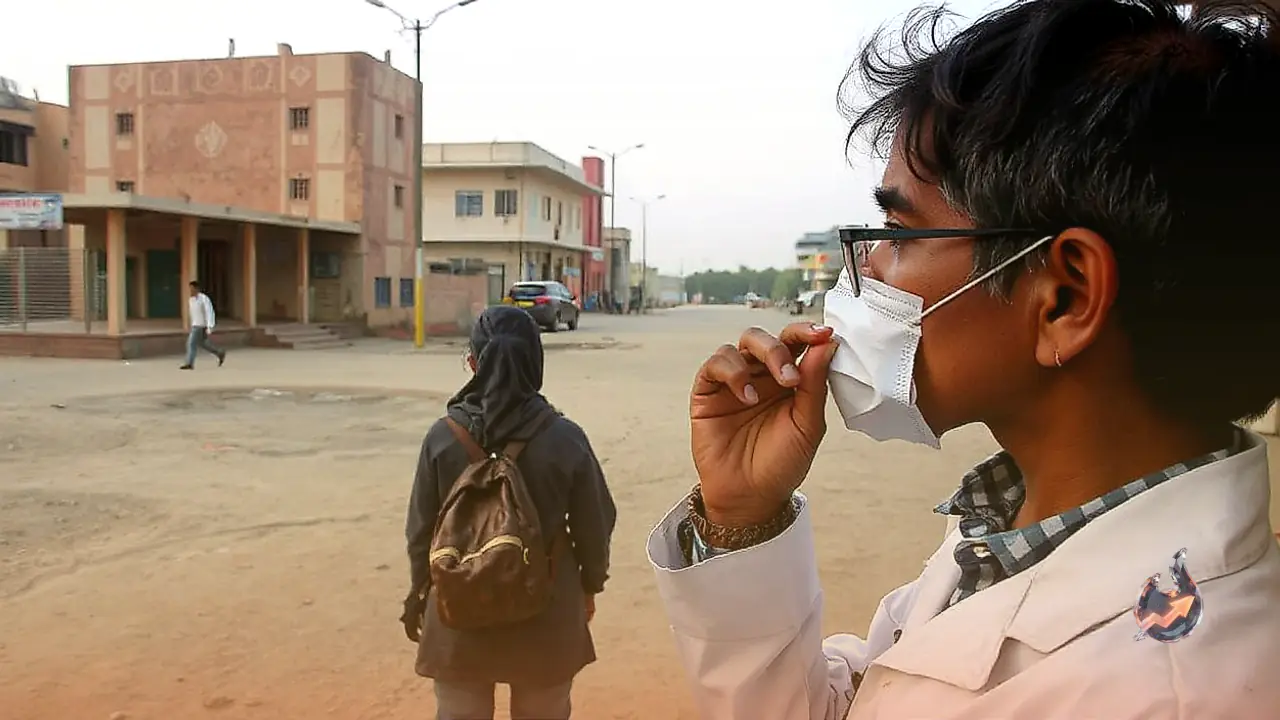
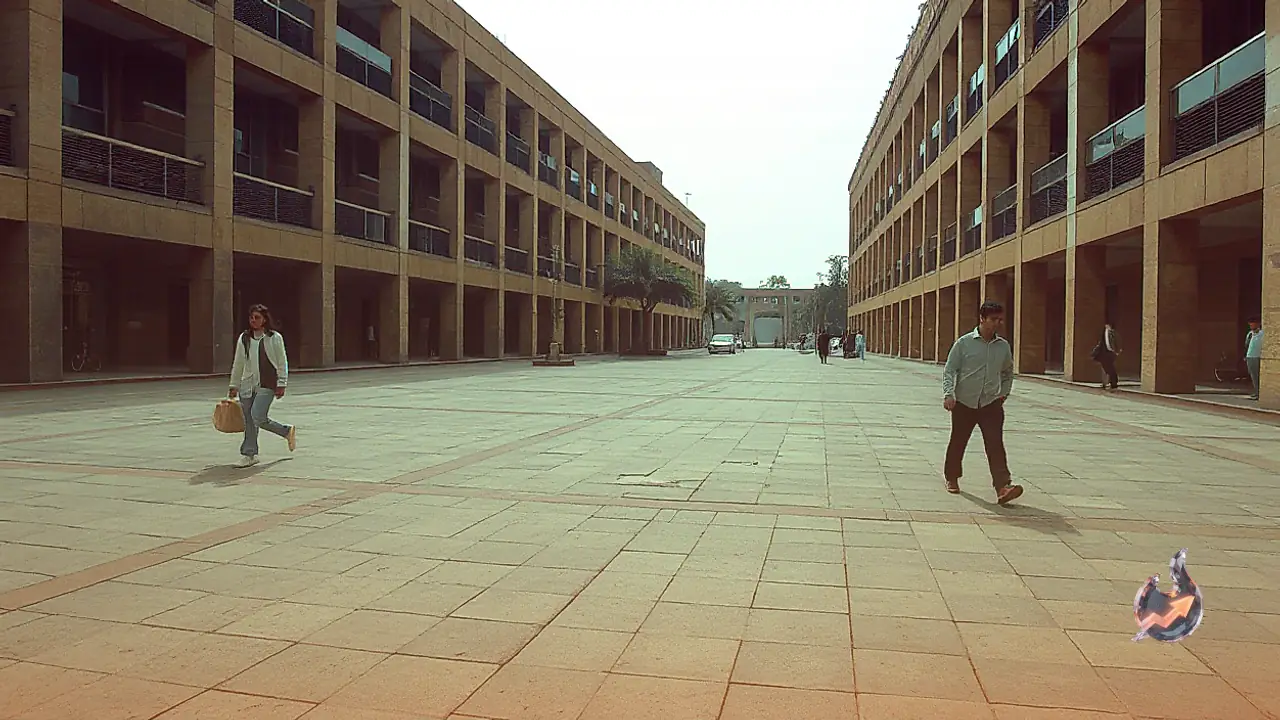














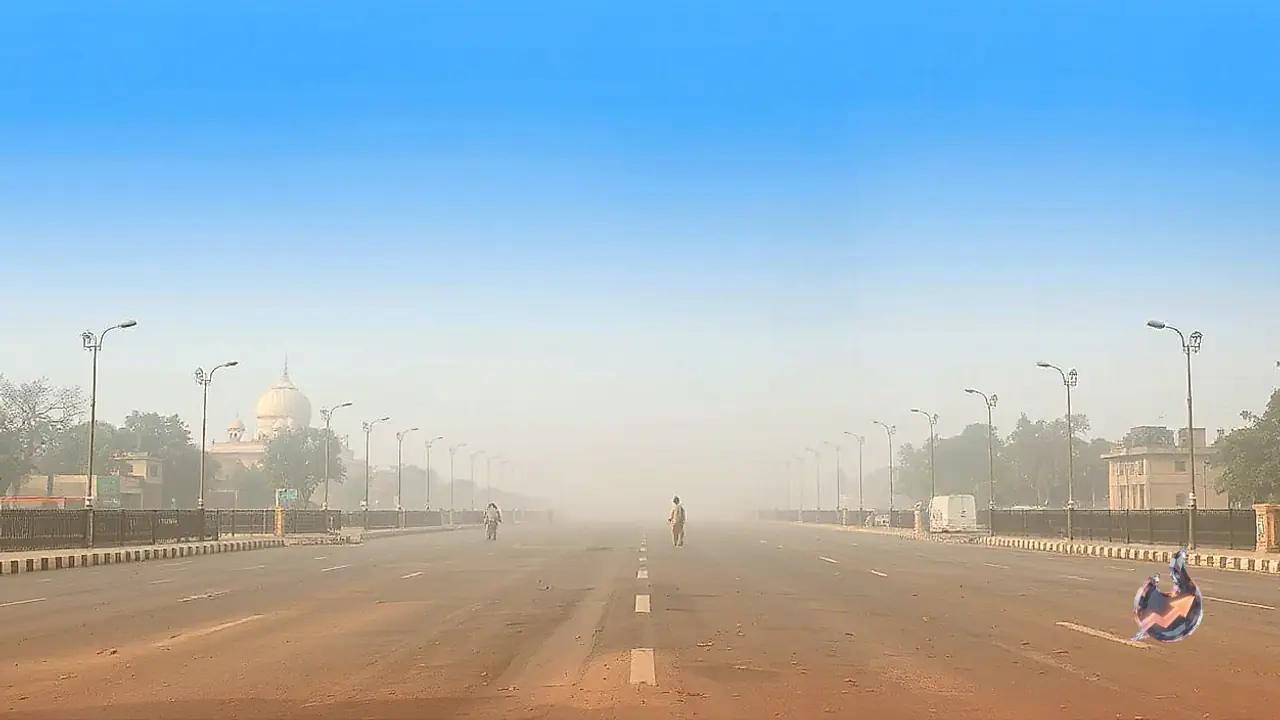

Air pollution in the national capital reached alarming levels well before the festive period began. Even without widespread firecrackers, particulate matter in the atmosphere surged to levels that caused immediate health concerns. Residents across several neighborhoods reported respiratory discomfort, eye irritation, and persistent breathing distress as toxic air settled over the city. Monitoring metrics showed regional air quality index readings crossing the critical 400 mark in multiple zones, pushing atmospheric conditions directly into hazardous territory.
Eight Monitoring Stations Record Severe Air Readings
Data recorded across the capital on Tuesday showed that eight air monitoring stations registered air quality in the 'Severe' category, with localized AQI numbers crossing 400. In comparison, the overall average AQI for the entire city stood at 331, categorizing it under the 'Very Poor' bracket. This pervasive haze significantly reduced visibility and created widespread health risks, particularly for vulnerable groups, young children, and outdoor workers during routine morning and evening activities.
Authorities Enforce GRAP-2 Measures to Stem Deterioration
In response to the persistent spike in atmospheric pollutants, regulatory authorities moved quickly to initiate containment protocols. Stage two of the Graded Response Action Plan, known as GRAP-2, was formally enacted across Delhi on Monday. The implementation introduces strict operational curbs aimed at controlling localized dust emissions, regulating private vehicle use, and enforcing anti-pollution directives before worsening winter conditions compound the problem further.