




















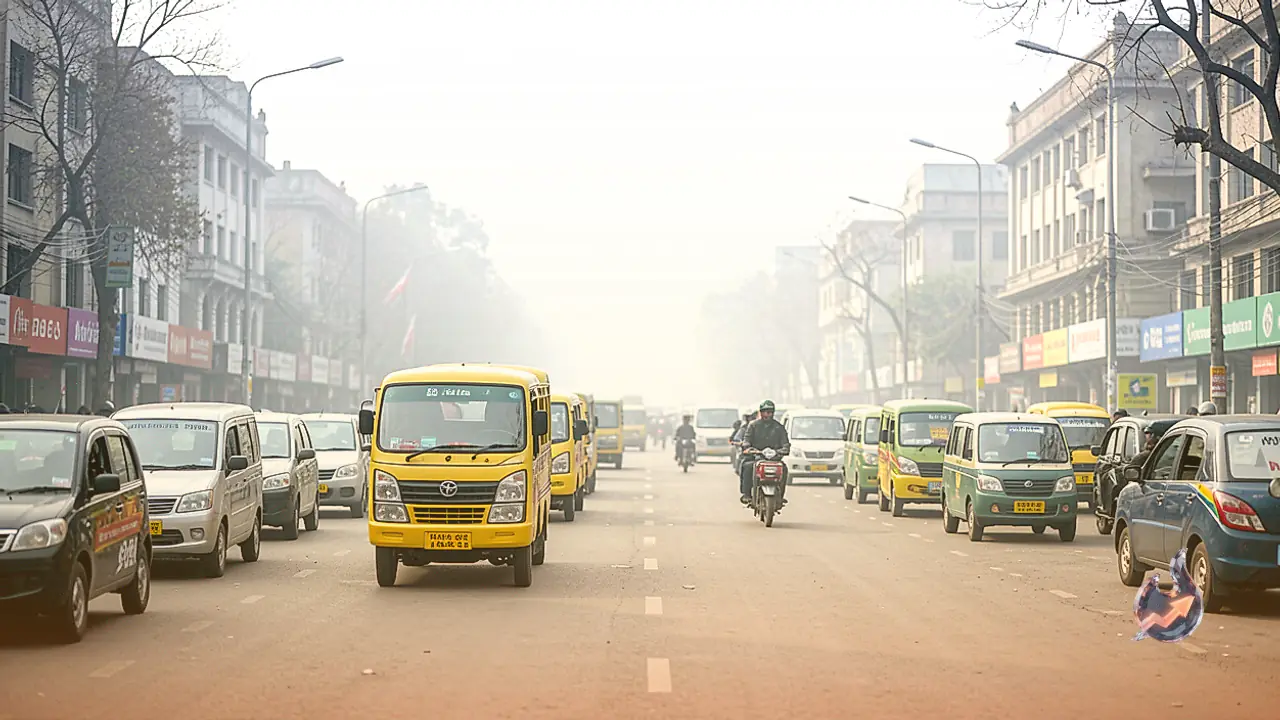

In an effort to curb the hazardous air pollution that routinely blankets the national capital during the colder months, the Delhi administration has rolled out a sweeping set of emergency measures. Chief Minister Rekha Gupta announced the official Winter Action Plan on Tuesday, setting strict environmental curbs that will run for four months starting November 1 until February 28. The comprehensive strategy introduces rigorous restrictions on vehicular traffic, fuel distribution, industrial activity, and construction to prevent toxic smog from choking the city.
Entry Barred for Non-BS-6 Vehicles Registered Outside Delhi
Vehicular emissions remain a chief contributor to the city's toxic winter haze, prompting authorities to impose tight boundary restrictions. From November 1 to January 31, vehicles originating outside Delhi that fail to comply with BS-6 emission benchmarks will not be permitted to cross into the city. Consequently, any motorist driving a BS-3 or BS-4 vehicle registered in another state will face an outright entry ban for this three-month window. Transport checkpoints will monitor incoming traffic to ensure non-compliant older private cars and commercial vehicles do not enter city limits.
Valid PUCC Made Compulsory to Purchase Fuel at Pumps
Motorists based within Delhi also face tighter compliance norms if their automobiles are older than the BS-6 category. Vehicle owners must hold a valid Pollution Under Control Certificate to refuel their vehicles across the capital. Filling stations will refuse to dispense petrol, diesel, or CNG to any vehicle owner unable to produce an active, up-to-date PUCC. The mandatory verification protocol is designed to keep heavily polluting engines off the roads and ensure tailpipe emissions stay strictly within legal environmental parameters.
Blanket Ban on Construction and Implementation of AI Monitoring
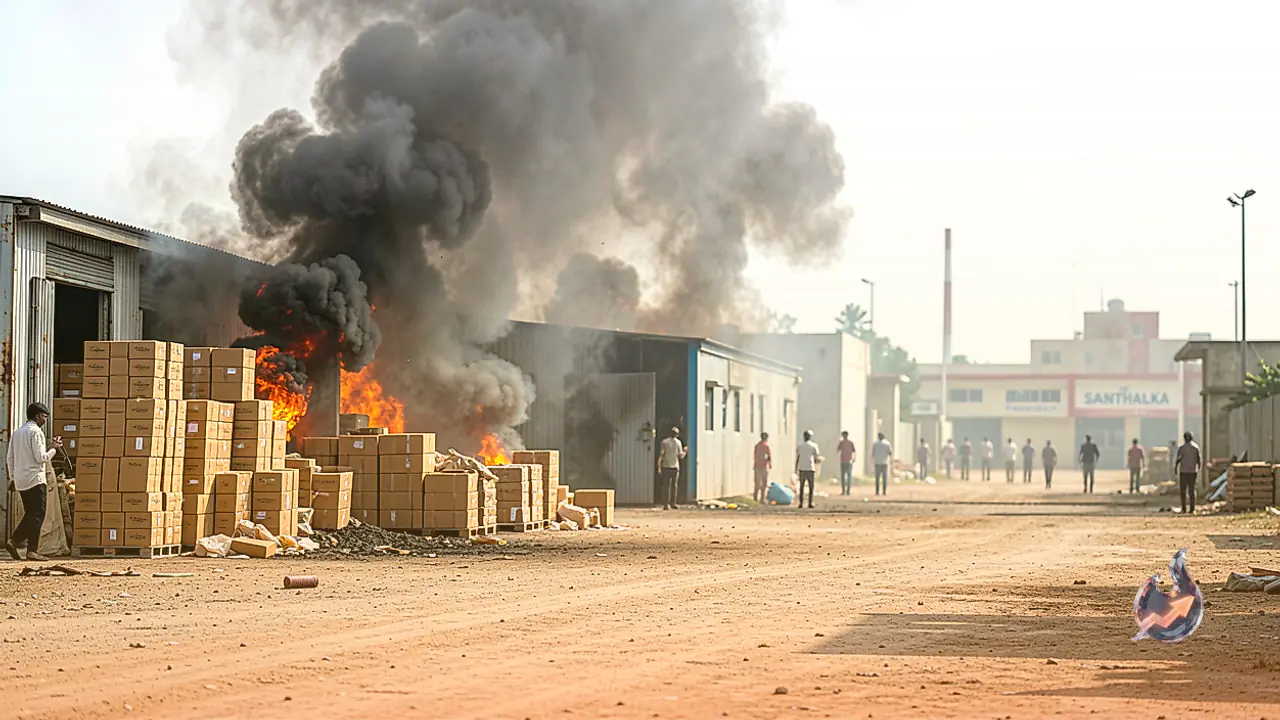
Fugitive dust from building sites forms another major component of particulate pollution, leading to an extensive ban on all construction and demolition projects from November 1 to February 28. To enforce compliance across real estate and infrastructure sectors, authorities are deploying artificial intelligence-powered site monitoring tools to detect unauthorized building work instantly. Alongside dust curbs, the winter blueprint mandates 50 percent work from home across offices and introduces staggered working shifts to flatten commuter traffic peaks and reduce ambient road congestion.
Focus on Public Transit and Collective Action
The government plans to meet commuter demand through sustainable alternatives while reducing reliance on private internal combustion vehicles. Rekha Gupta highlighted that an expanded network of electric buses, the Delhi Metro, improved last-mile feeder services, and active carpooling arrangements will serve as critical pillars during these four months. In a statement posted on X, the Chief Minister underscored that every step matters for the right to breathe and reaffirmed that Delhi remains a shared responsibility for all residents.