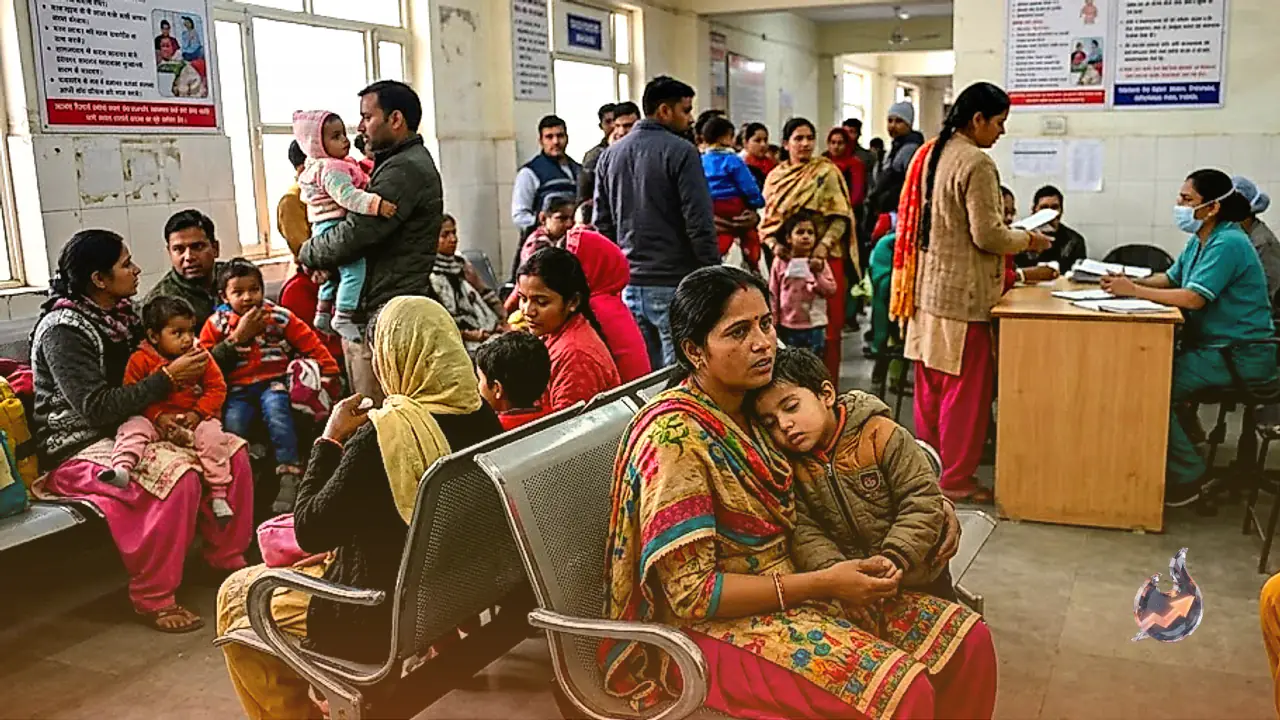























As people age in Faridabad, the weakening of bones is often considered a common issue, yet in many cases, bones grow fragile without producing any initial pain or visible symptoms in the body. Consequently, individuals frequently discover the condition only after suffering a bone fracture from a minor injury. This health concern is known as osteoporosis, a problem that surfaces more frequently after the age of 55 to 60 years. The risk also escalates significantly among women following menopause. Dr. Sahil, working in the Orthopedics Department at Amrita Hospital Faridabad, shared vital details regarding the causes, symptoms, and diagnostics of this medical condition.
Why Osteoporosis Is Called an Invisible Disease
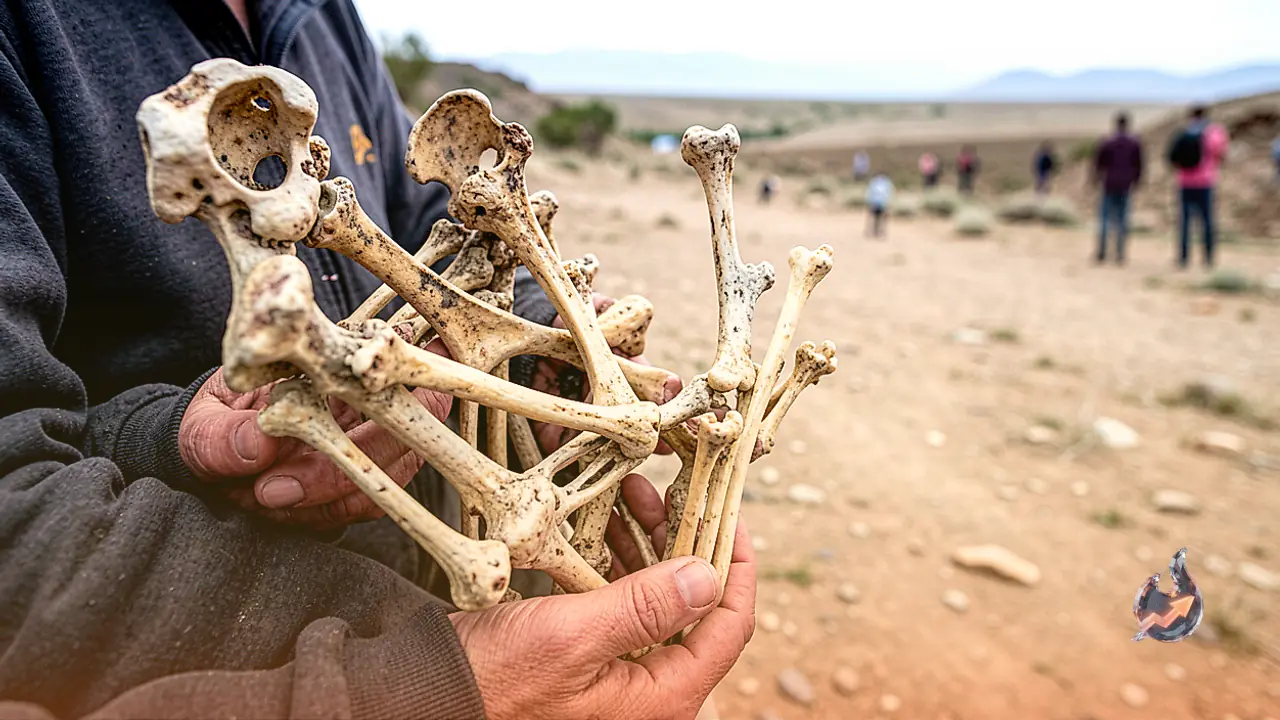
According to Dr. Sahil, osteoporosis causes bones to become weak and hollow from within. This diminishes their structural strength and substantially elevates the danger of fractures. It is also referred to as an invisible disease because its symptoms are not easily noticeable in the beginning. For many years, a person remains unaware of their bone weakness until the problem comes to light with a sudden initial fracture.
The Disease Can Also Strike Younger Individuals
Although osteoporosis generally affects people past the age of 55 to 60, younger individuals can also fall prey to it under specific circumstances. Dr. Sahil points out that prolonged consumption of steroid medications, the use of steroid-based inhalers, early-onset menopause, and hormonal imbalances can increase this risk. Furthermore, certain other medical drugs can also act as a catalyst in weakening the skeletal system.
Dr. Sahil notes that estrogen plays a crucial role in keeping women's bones strong and healthy. Following menopause, the levels of this hormone begin to drop abruptly. This shift directly impacts bone health and raises the susceptibility to osteoporosis.
Minor Injuries Causing Fractures Serve as a Major Warning
Dr. Sahil explains that a slight bump or minor fall can result in a broken bone for someone suffering from osteoporosis. At the same time, back pain can stem from many other common causes, so linking it directly to this condition is not always accurate. Similarly, a reduction in height can be attributed to various factors such as nutrition, genetics, and family history.
DXA Scans Help Evaluate Bone Strength Accurately
To assess bone strength properly, doctors recommend undergoing a DXA scan. This test measures bone mineral density to determine the concentration of minerals inside the bones. Typically, after turning 55 to 60 years old, individuals should get this screening done every one or two years upon a doctor's advice. If the scan report reveals low bone density, appropriate medical treatment can be initiated in a timely manner.