





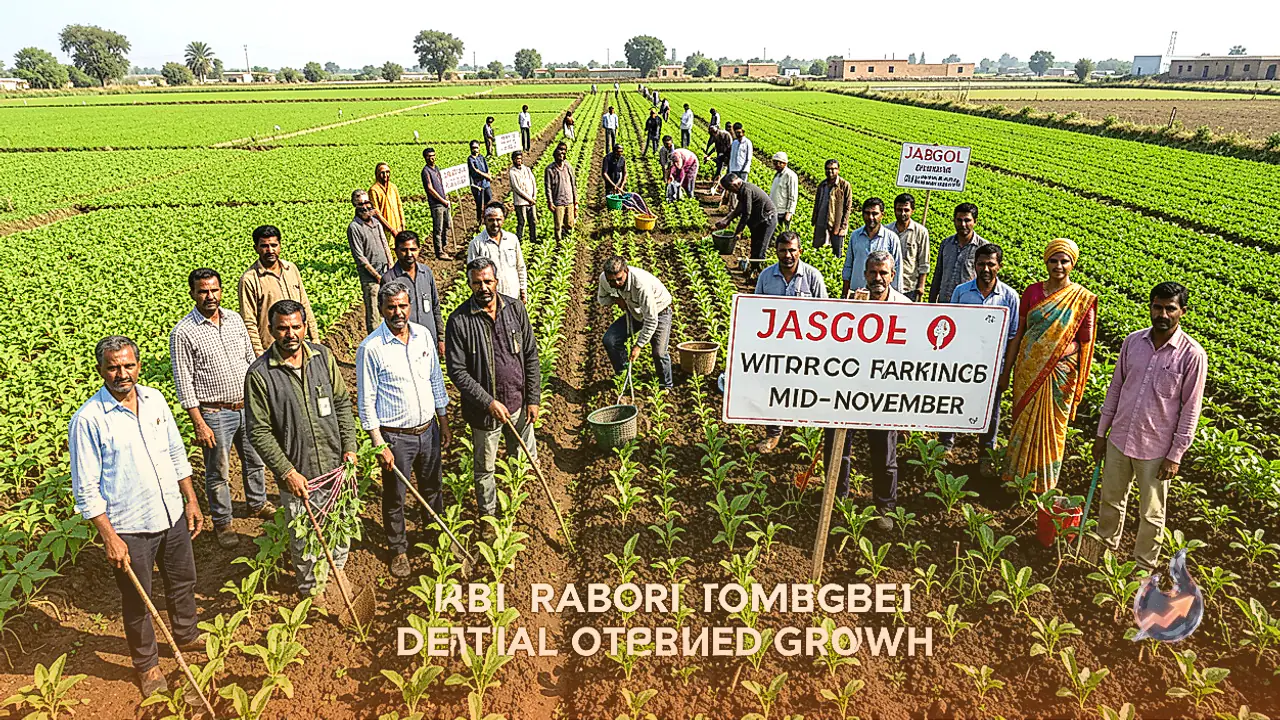














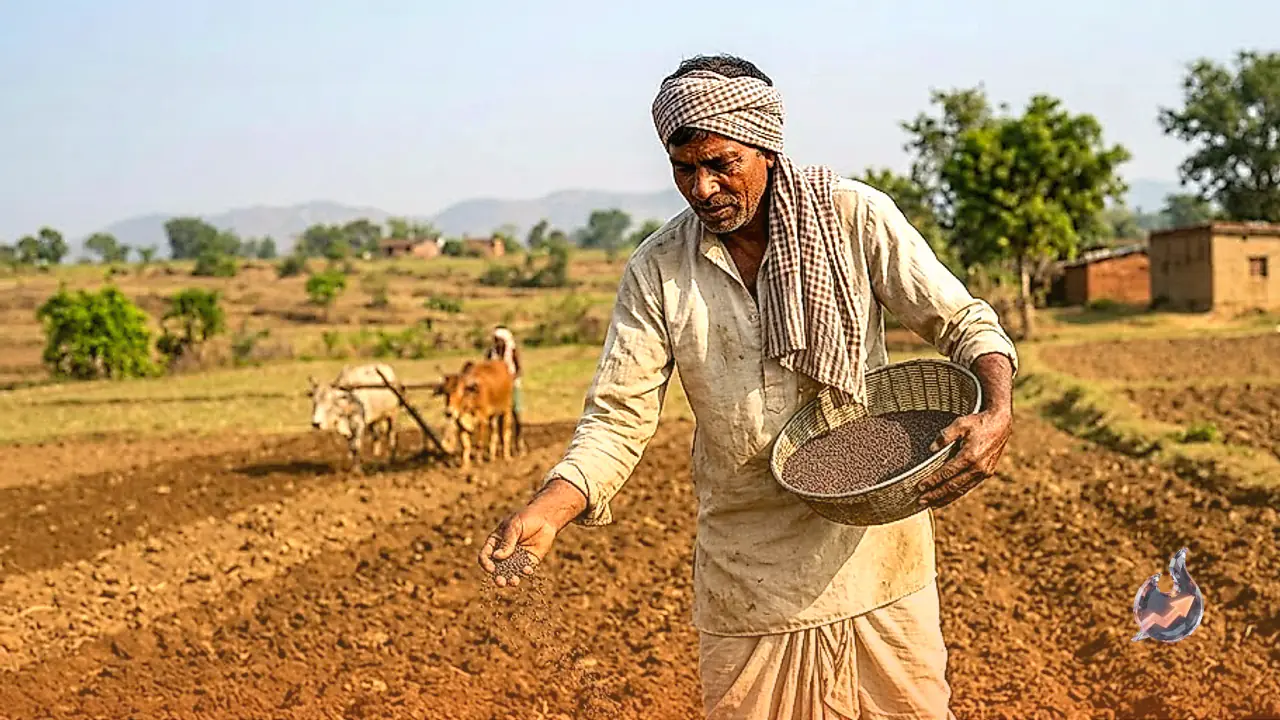

Mustard farming is gaining strong momentum across Jharkhand, with Deoghar district boasting soil types that are exceptionally well-suited for this oilseed crop. When local cultivators time their agricultural activities correctly and pick superior seed variants, the resulting harvest can significantly improve their economic returns. This crop stands out as a reliable option because it matures within a short timeframe, yet a lack of proper guidance often leads farmers to select inappropriate seeds, which directly damages overall yields. Reviewing key agricultural guidelines before beginning sowing operations can protect cultivators from preventable losses and maximize their seasonal output.
The Ideal Sowing Window and Expert Insights
Deoghar agricultural expert Vakil Yadav noted during a discussion that the window spanning from the final week of October through the month of November holds critical importance for mustard cultivation in the region. Cultivators should align their field preparations to target this specific timeframe. However, the exact ideal date for sowing can still fluctuate based on local weather patterns, prevailing soil moisture levels, and the biological traits of the chosen seed variety. Farmers are advised to evaluate their specific land conditions before proceeding. Completing the sowing process on schedule ensures that young plants receive favorable environmental conditions for rapid growth, thereby driving up the potential for a richer harvest.
Avoiding Common Pitfalls During Seed Selection
Vakil Yadav emphasized that securing the right seed variety forms the absolute bedrock of successful mustard production. Farmers who make informed seed choices from the very beginning position themselves to achieve superior crop volumes down the line. Cultivators should strictly avoid purchasing random or unverified seed packets without prior research. During the purchase process, buyers must verify seed quality markers, read the instructions printed on the packaging, and confirm whether the variety suits local agro-climatic conditions. Consulting an agronomist or visiting the nearest Krishi Vigyan Kendra before making a purchase helps establish a solid foundation for the entire farming cycle.
Recommended Seed Varieties Suited for Deoghar Soil
Addressing the specific characteristics of Deoghar soil, Vakil Yadav highlighted that farmers can explore established seed options such as Advanta's Shri Ram and Pioneer 45S46. Cultivators who research these specific variants position themselves to secure favorable output levels. Under optimal environmental conditions, certain high-performing variants can reach maturity in roughly 110 days, sparing farmers from enduring an extended waiting period between crop cycles. At the same time, the exact duration required for full maturation can shift depending on temperature fluctuations, soil composition, true seed genetics, and field management techniques, making pre-purchase research indispensable.
Bumper Yields Even With Limited Irrigation
A major operational advantage of mustard farming lies in its relatively low water requirement when compared against heavy water-consuming crops like paddy. This characteristic makes mustard a viable and attractive option even for agricultural landholders who face constrained irrigation infrastructure. Lower water demands do not imply that the crop can thrive without any moisture management. Adequate soil moisture remains absolutely critical precisely during the sowing phase. Additional light irrigation sessions during the crucial vegetative growth stage and the subsequent flowering period help sustain high productivity levels. By adopting these recommended seed varieties, farmers can achieve high harvest volumes while keeping operational input costs remarkably low.