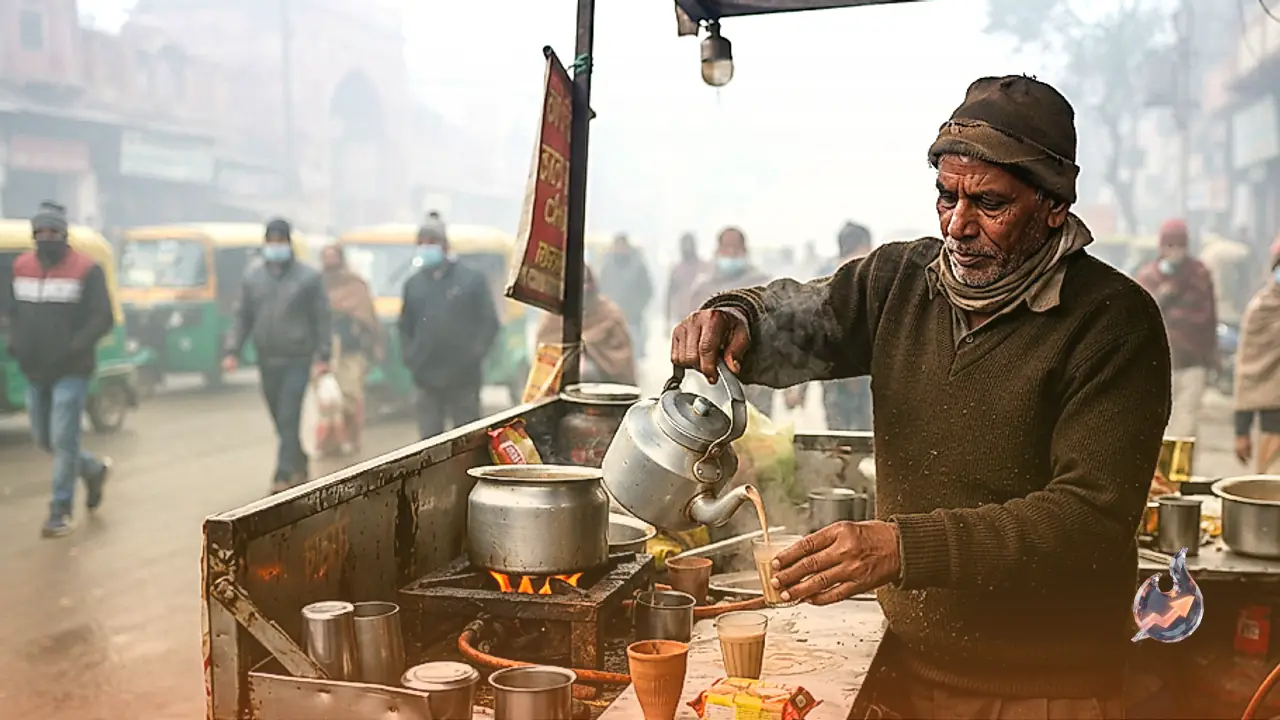

Winter conditions have officially set in across the Delhi National Capital Region, accompanied by a sharp drop in temperatures. The mercury has descended to a minimum level of 11 degrees Celsius, bringing a pronounced chill especially during the early morning and late evening hours. Residents have begun pulling out warm clothing as the seasonal transition takes full effect, prompting weather authorities to advise caution.
Temperature Declines and Weather Conditions
According to meteorological records, the impact of winter intensified significantly across Delhi and NCR. The Indian Meteorological Department reported that the minimum temperature hovered between 11 and 13 degrees Celsius, while the maximum temperature is projected to stay within 25 to 27 degrees Celsius. At Safdarjung and other observatories, the recorded minimum temperature dropped approximately 1.3 degrees below the seasonal normal.
Impact of Mountain Winds and Fog
Weather experts indicate that cold north-westerly winds originating from mountainous regions have driven up the chill factor in the capital and surrounding areas. Forecasts suggest that morning hours will feature mist or shallow fog across most parts, with moderate fog likely in isolated pockets. Skies are expected to clear up as the day progresses, with surface winds maintaining a speed of 5 to 10 kilometers per hour.
Upcoming Weather Outlook
Meteorologists estimate that no major temperature swings are expected over the next two to three days, though nights will continue to feel cold. This weather shift is also taking a visible toll on air quality. Data from the Central Pollution Control Board shows that Delhi's Air Quality Index climbed to approximately 282, placing it firmly in the poor category.
Spike in Pollution Levels Across Zones
Multiple monitoring stations registered AQI readings in the very poor category. Areas such as IITM Pusa, JNU, Siri Fort, and ITO saw pollution levels breach the 350 mark. High concentration levels were similarly observed in Uttam Nagar, Chandni Chowk, and other localities, with PM 2.5 remaining the predominant pollutant throughout the period.
Pollution Control Measures and Atmospheric Trapping
In comparison, the city's average AQI on the previous day ranged between 214 and 232, remaining within the poor bracket. While the Commission for Air Quality Management lifted Graded Response Action Plan stage 3 restrictions, regulations under stage 1 and stage 2 remain active. Sluggish wind speeds and temperature inversion prevent pollutants from dispersing effectively, resulting in a dense layer of morning smog.
Advisory for Residents
Citizens have been advised to wear masks when stepping outdoors during early morning and evening hours, with children and the elderly urged to take extra precautions. Data from weather and pollution boards highlights that Delhi-NCR residents continue to face the dual pressure of biting cold and elevated pollution levels. Weather patterns are expected to remain dry and cold over the coming days.