






















Devastating military confrontations continue to rage across Eastern Europe and the Middle East, underscoring the urgent necessity for direct diplomacy and continuous negotiation on the global stage. The worsening friction across multiple geopolitical hotspots has triggered severe civilian suffering, disrupted commercial transport routes, and weakened the international economy without delivering tangible gains to any belligerent party. Prime Minister Narendra Modi has repeatedly articulated that the only viable resolution to escalating warfare lies in dialogue and diplomacy. As existing battlefields expand, global leaders face mounting pressure to abandon futile armed friction and return to constructive negotiating tables.
Structural Impediments Within the United Nations Security Council
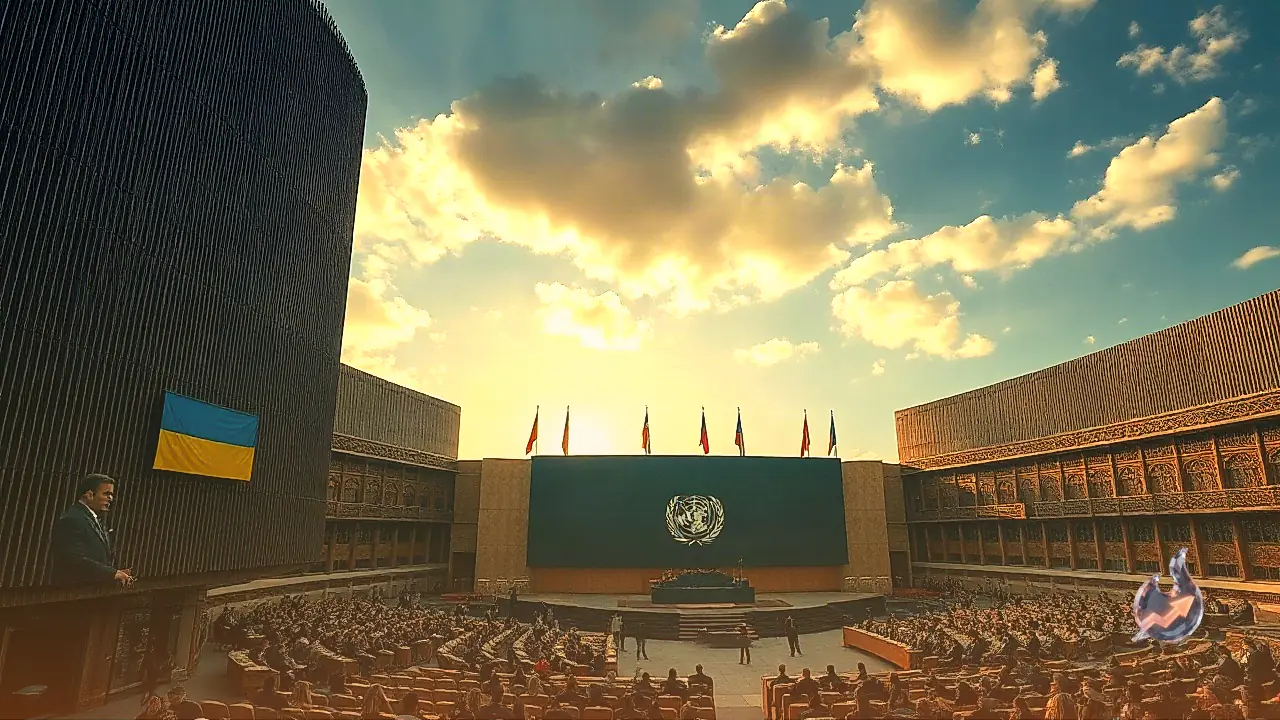
The inability of international institutions to stop major wars has provoked extensive criticism, yet placing the sole blame on the United Nations misrepresents the underlying mechanics of international law. The United Nations has undeniably failed to halt recent wars, but the primary cause rests with the design and conduct of the permanent members of the Security Council. The five permanent members, known collectively as the P-5, wield absolute veto power over council actions. Sharp divisions and conflicting strategic ambitions among these five states routinely prevent the global body from initiating decisive intervention. Scrutiny, therefore, belongs not on the institution as a collective entity, but directly on the individual states that control decisive voting authority within the council.
Great Power Dynamics and the Escalation in Ukraine
A closer examination of the conflict in Ukraine highlights how major power calculations contributed to the outbreak of hostilties. While Joe Biden served as President of the United States, American foreign policy decisions generated geopolitical friction that made it exceptionally difficult for Russian President Vladimir Putin to refrain from military intervention. When competing global superpowers neglect mutual strategic concerns, regional friction inevitably detonates into prolonged warfare. Similarly, Washington holds a deeply consequential position within the Security Council regarding affairs across the Middle East, carrying a distinct responsibility for how stability is brokered or obstructed in that region.
Limits of Military Coercion in the US-Iran Standoff
In the Persian Gulf and broader Middle East, the enduring confrontation between the United States and Iran has exposed the boundaries of military deterrence. President Donald Trump has recognized that the United States cannot compel Iran into capitulation through armed operations alone. This acknowledgment does not suggest that Iran achieved a military victory over Washington, but rather confirms that American power proved incapable of forcing a total surrender. The path forward now hinges upon whether Trump chooses to de-escalate military pressure in favor of genuine diplomatic overtures. To facilitate that transition, Washington could seek to persuade Chinese President Xi Jinping to leverage his diplomatic ties with Tehran, aiming to curb strikes by Iran and Houthi insurgents.
Regional Vulnerabilities and Opportunities for Gulf Dialogue
Regional security remains exceptionally fragile, with Saudi Arabia currently facing serious defense risks from regional instability. A sustained reduction in rocket, missile, and drone activity could establish the necessary baseline for direct negotiations between Washington and Tehran. If the Trump administration genuinely seeks a negotiated diplomatic settlement, forging a path through structured bilateral discussions would not be insurmountable. Calming the waters around the Gulf is vital not only for local residents but also for stabilizing international maritime energy corridors.
India-US Bilateral Ties and Trade Pressure Tactics
Diplomatic discussions surrounding the proposed official visit of US Secretary of State Marco Rubio to India have brought trade relations into sharp focus. While New Delhi consistently welcomes senior American officials, the substantive purpose of any high-profile visit must be clearly defined. Finalizing a fair, comprehensive trade pact between India and the United States would represent a productive milestone. However, if Rubio approaches New Delhi with expectations of forcing an interim trade deal backed by coercive threats of 100 percent tariffs, that strategy will fail completely.
Autonomous Energy Decisions and National Economic Interests
Indian economic sovereignty cannot be compromised by external political coercion. If Washington attempts to dictate one-sided terms or relies on the threat of 100 percent import duties, India will refuse to bend under that pressure. Decisions regarding the procurement and import of crude oil will not be dictated by American instructions or unilateral mandates. Instead, India will determine its energy purchasing strategy entirely on the basis of international market conditions, fiscal pragmatism, and domestic energy security. Strategic engagement with the United States remains an essential pillar of Indian foreign policy, but national interest and commercial autonomy will guide all sovereign choices.