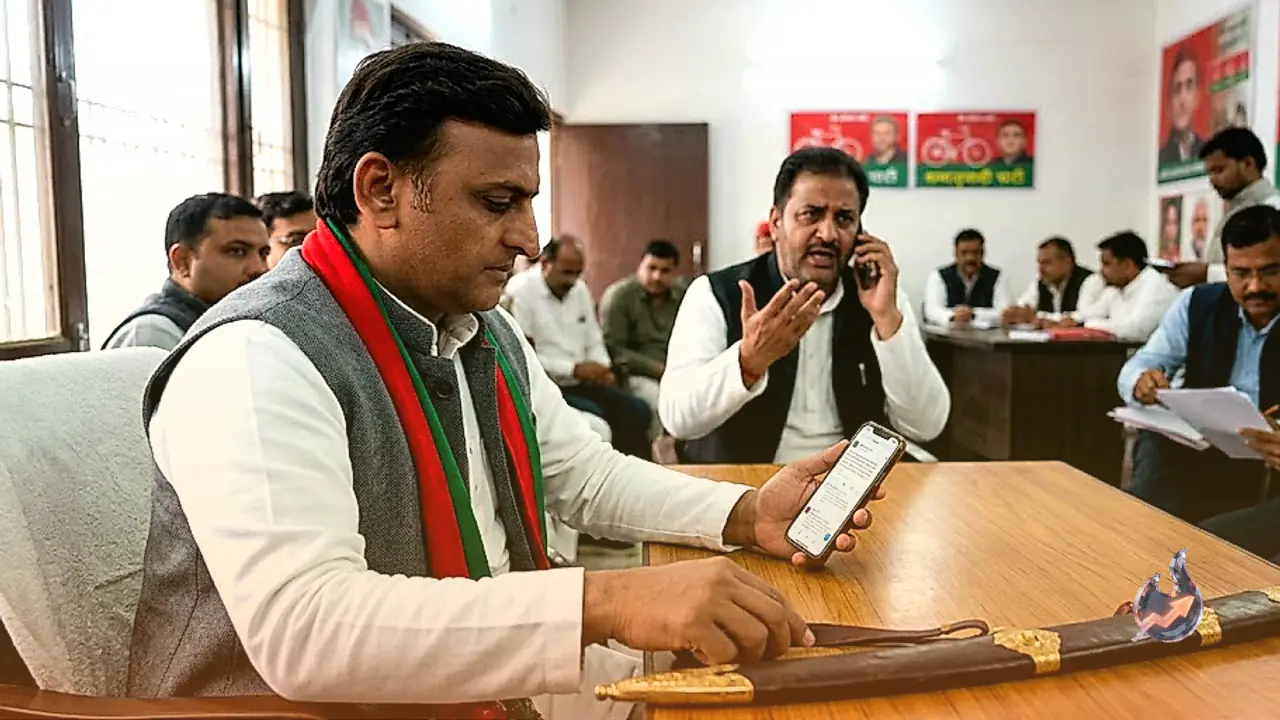


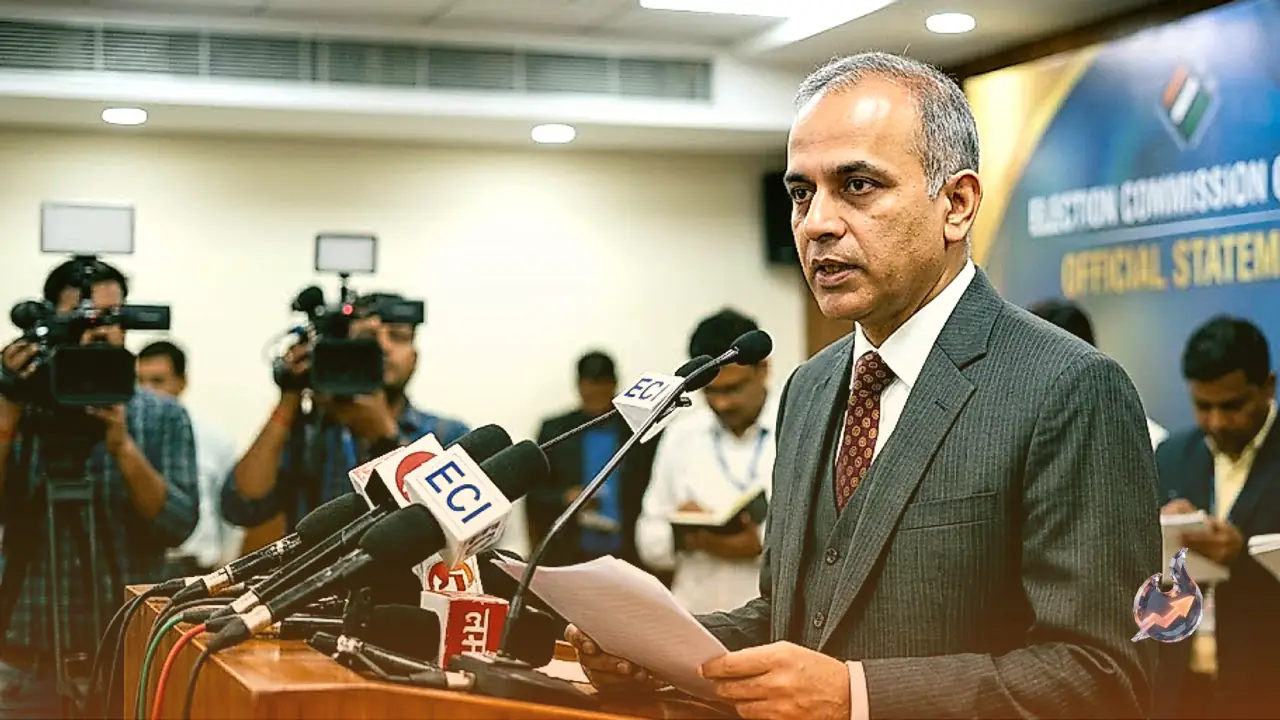















On September 26, 2026, at 3:00 PM, the Election Commission of India held a critical full-bench meeting comprising the Chief Election Commissioner and both Election Commissioners. Amid ongoing allegations directed at the Chief Election Commissioner and controversies surrounding the Special Summary Revision (SIR) process, the full commission unanimously adopted a series of major decisions. These measures aim to simplify voter verification procedures, extend statutory timelines, strengthen administrative oversight, and ensure greater transparency in technical infrastructure.
Relief for Voters Receiving Discrepancy Notices
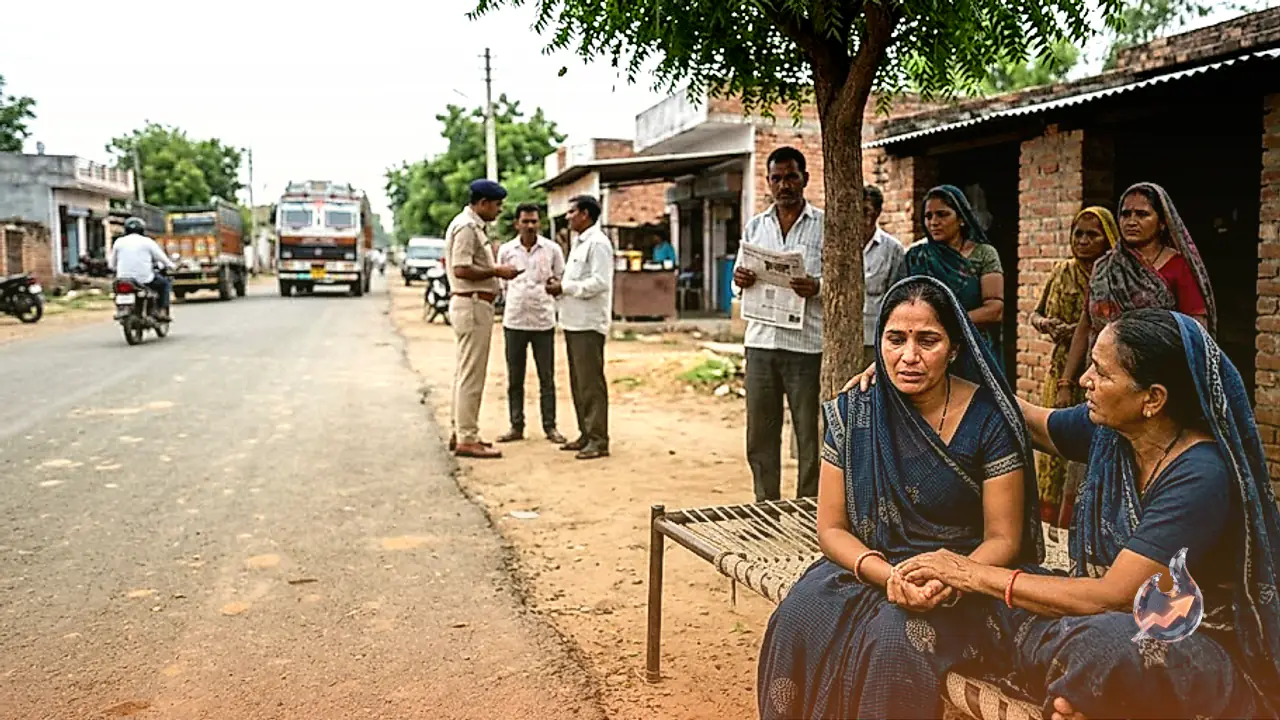
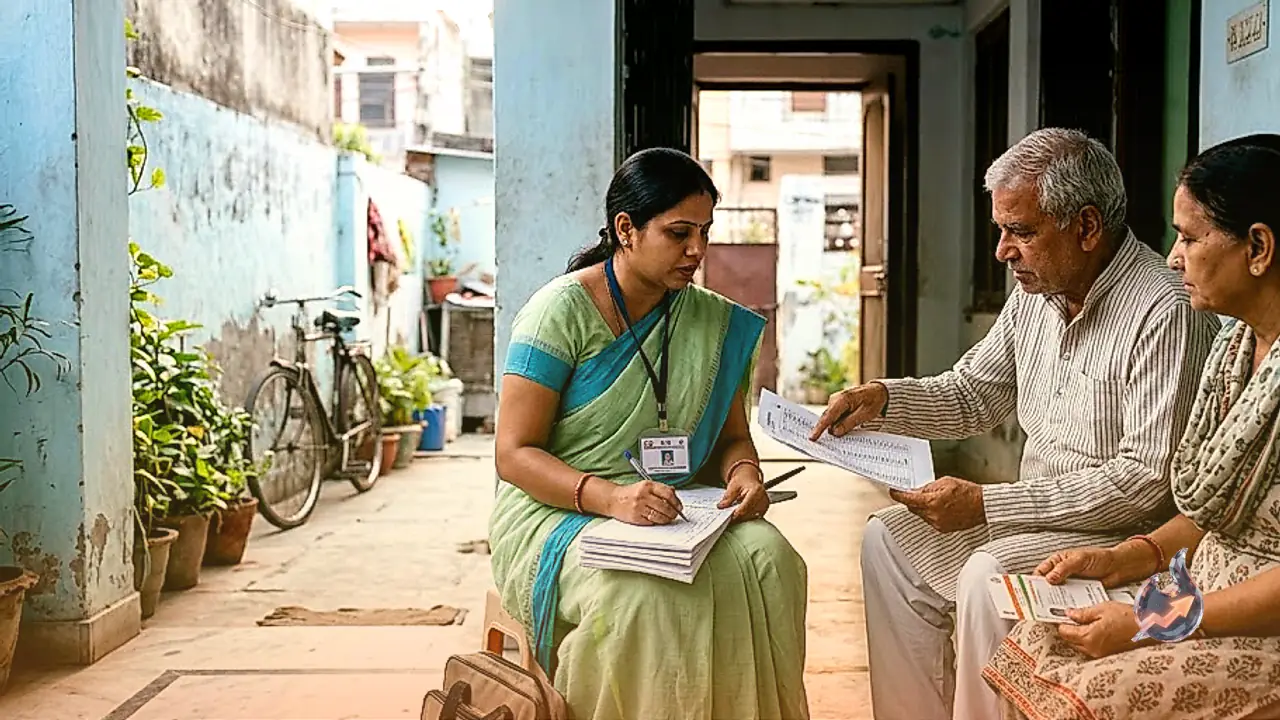
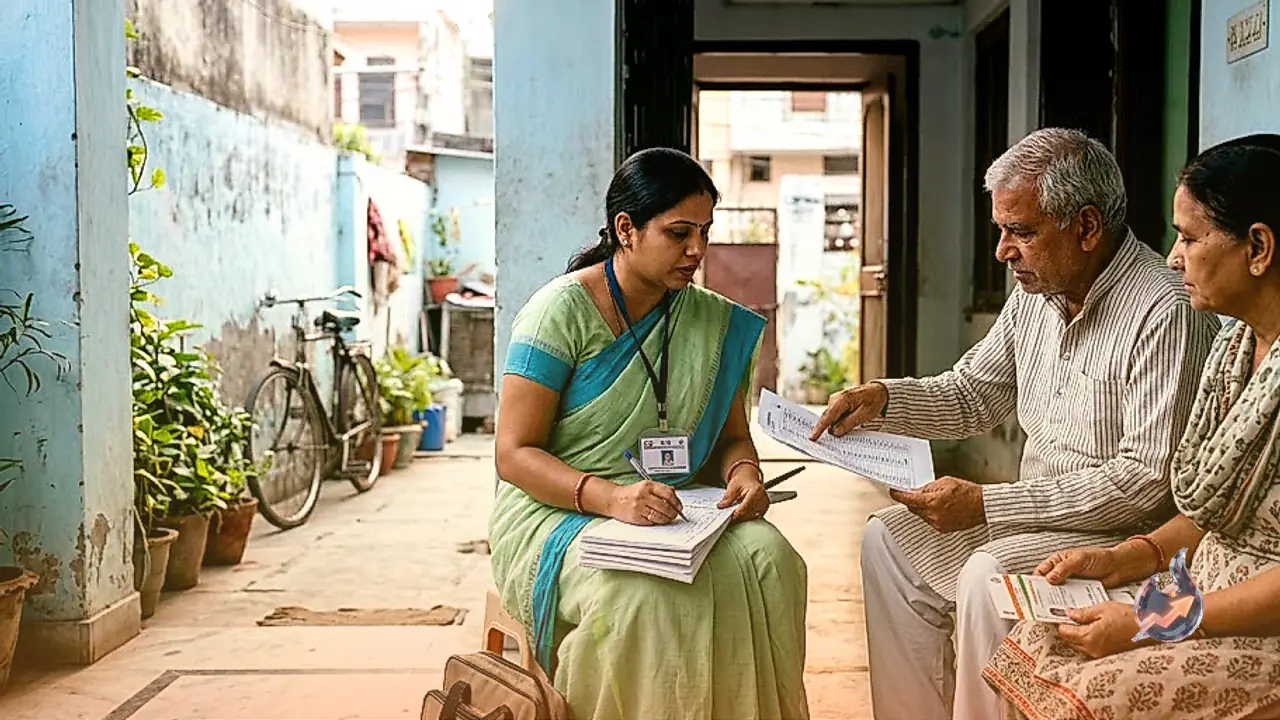
In a major decision aimed at reducing procedural hardship for citizens, the Commission drastically revised the hearing protocols for voters flagged during the Special Summary Revision. Individuals who received notices due to logical discrepancies or unmapped status will no longer be required to travel to Electoral Registration Officer (ERO) or Assistant Electoral Registration Officer (AERO) offices. Instead, Block Level Officers (BLOs) will conduct direct door-to-door visits to collect required verification documents and upload them straight onto the ECINET platform.
Physical or in-person hearings before ERO offices will now be restricted exclusively to exceptional cases based on explicit ERO rulings, and even then, such hearings will be conducted through online channels. To ensure inclusivity, any adult family member can represent the voter during these virtual sessions if the individual cannot attend personally. The Election Commission directed technical teams to significantly bolster the online hearing infrastructure to accommodate these virtual proceedings smoothly.
Extension of Deadlines in Delhi and Maharashtra
Addressing administrative requests from various regions, the Commission approved extensions for filing claims and objections under the revision exercise. Accepting a proposal submitted by the Chief Electoral Officer (CEO) of Delhi, the last date for submitting claims and objections has been pushed to October 30, 2026, with the final disposal deadline set for November 30, 2026.
Similarly, following a request from the Chief Electoral Officer of Maharashtra, the deadline for submitting claims and objections in the state has been extended to October 12, 2026, while the resolution process must be completed by November 10, 2026. Alongside these extensions, District Election Officers (DEOs) across all jurisdictions have been mandated to set up dedicated help desks and special enrollment camps targeting night shelter residents, migrant laborers, impoverished citizens, and homeless individuals.
Independent Audit of ECINET and IT Governance
To reinforce public confidence and ensure statutory compliance, the Commission ordered a comprehensive evaluation of its digital portal, ECINET. A specialized review committee headed by a Senior Deputy Election Commissioner (DEC) and comprising independent technical experts from IITs and IIITs will examine whether ECINET's architecture aligns fully with election laws and statutory rules.
While the portal has already undergone systemic enhancements based on recommendations from state Chief Electoral Officers, field officials will be provided additional operational flexibility if required. Furthermore, the Commission established a new governance rule requiring all prospective IT projects to undergo formal deliberation within the Committee of Officers (COO) before being presented for final approval by the Commission.
Implementation Timeline of SIR and Judicial Mandates
The universal order for the Special Summary Revision was issued with full commission consensus on June 24, 2025, commencing initial operations in Bihar. The legality of this order was formally upheld by the Supreme Court in its ruling dated May 27, 2026. Subsequent execution schedules were released unanimously, covering 12 states and Union Territories on October 27, 2025, and an additional 19 states and Union Territories on May 14, 2026.
To date, the SIR exercise stands completed across 20 states and Union Territories, including Bihar and West Bengal. Final voter counts for the remaining 12 states in Phase-III will be determined following their respective final roll publications. Citizens whose names were omitted during or after the revision, as well as newly eligible first-time voters, can seek inclusion under the continuous updation provision by applying to their local EROs. Highlighting localized progress, Goa's Chief Electoral Officer reported that door-to-door outreach led to 81 out of 97 targeted left-out voters filing Form 6. The Supreme Court also sustained the validity of the Declaration Form submitted alongside Form 6 during SIR, whereas non-SIR periods will continue to adhere strictly to the Registration of Electors Rules, 1960.
Administrative Discipline and Clarification on Official Mail
To streamline internal decision-making, the Commission instituted strict administrative guidelines. Moving forward, detailed agendas must be circulated prior to every Commission meeting, followed by the formal issuance of official minutes. Annual Performance Appraisal Reports (APAR) for all election officers must be completed by December 31 each year. Additionally, official foreign travel by officers now mandates prior Commission approval, and all directives issued by Commissioners must be complied with stringently.
Addressing recent speculation regarding a communication sent to the Cabinet Secretary, the Election Commission clarified that the correspondence was entirely unrelated to ECI policies or IT operations. Rather, the letter pertained strictly to the administrative performance and conduct of a specific officer serving at the Commission on deputation.