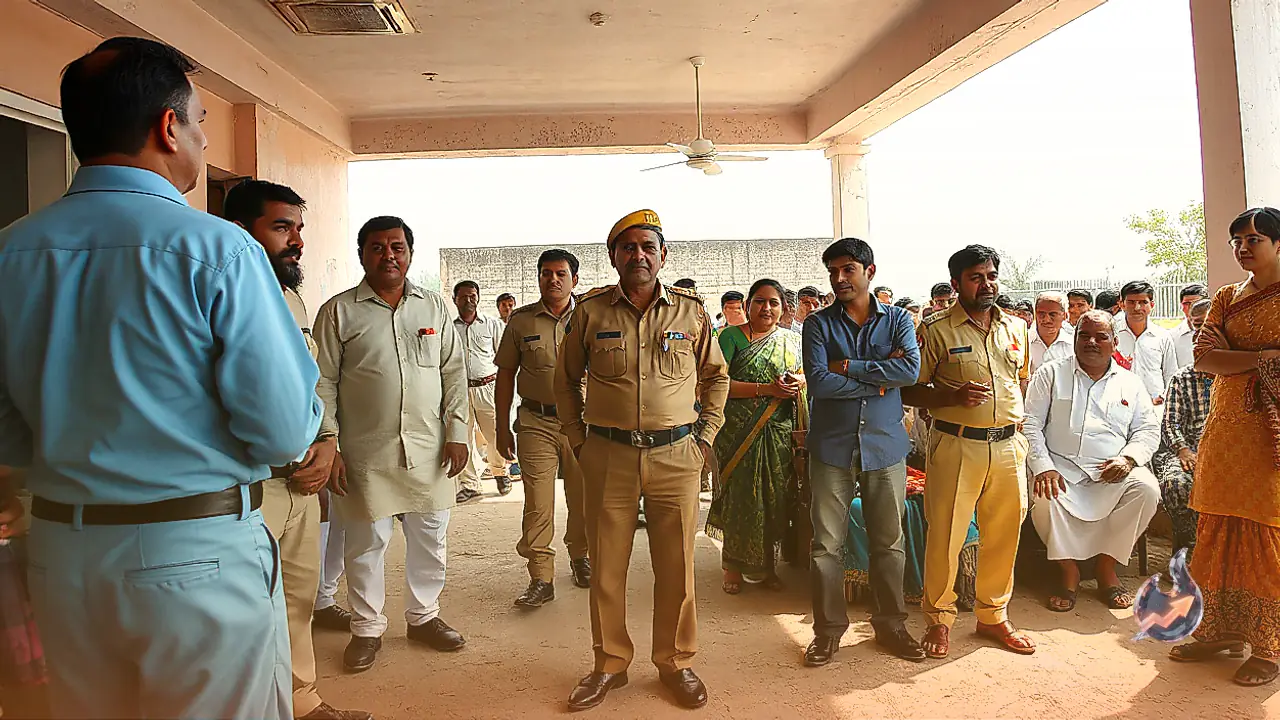

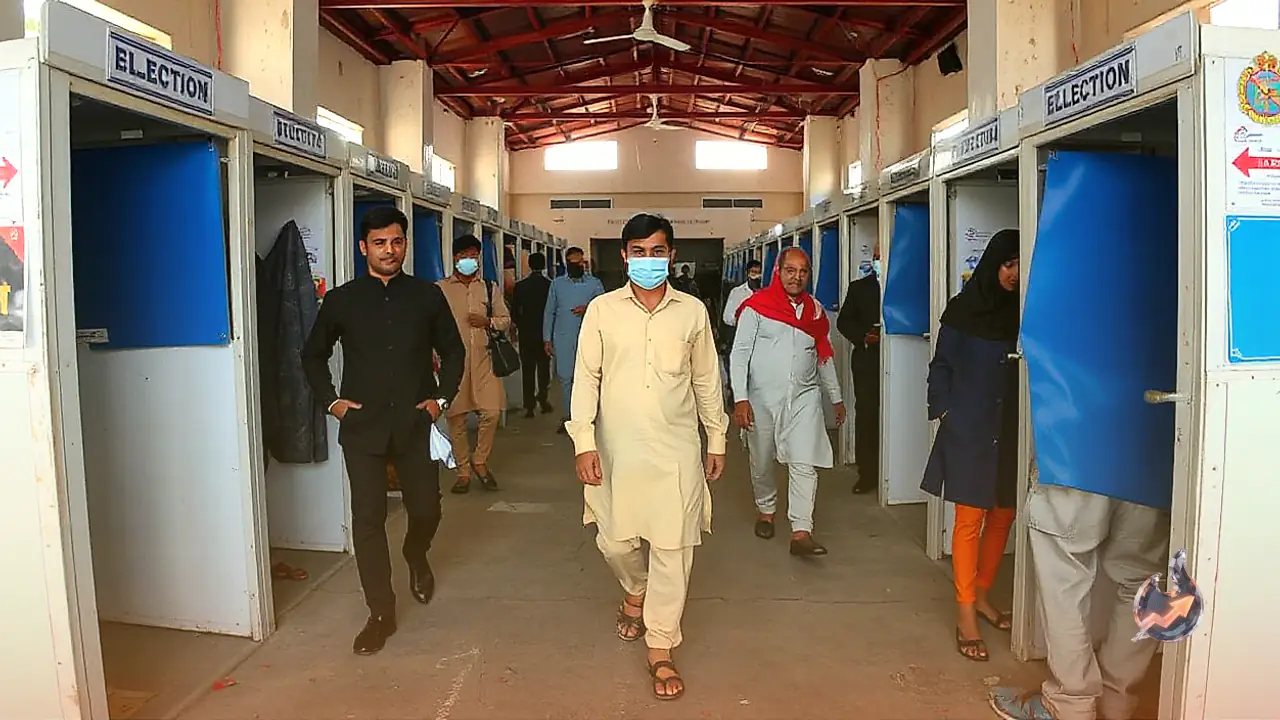














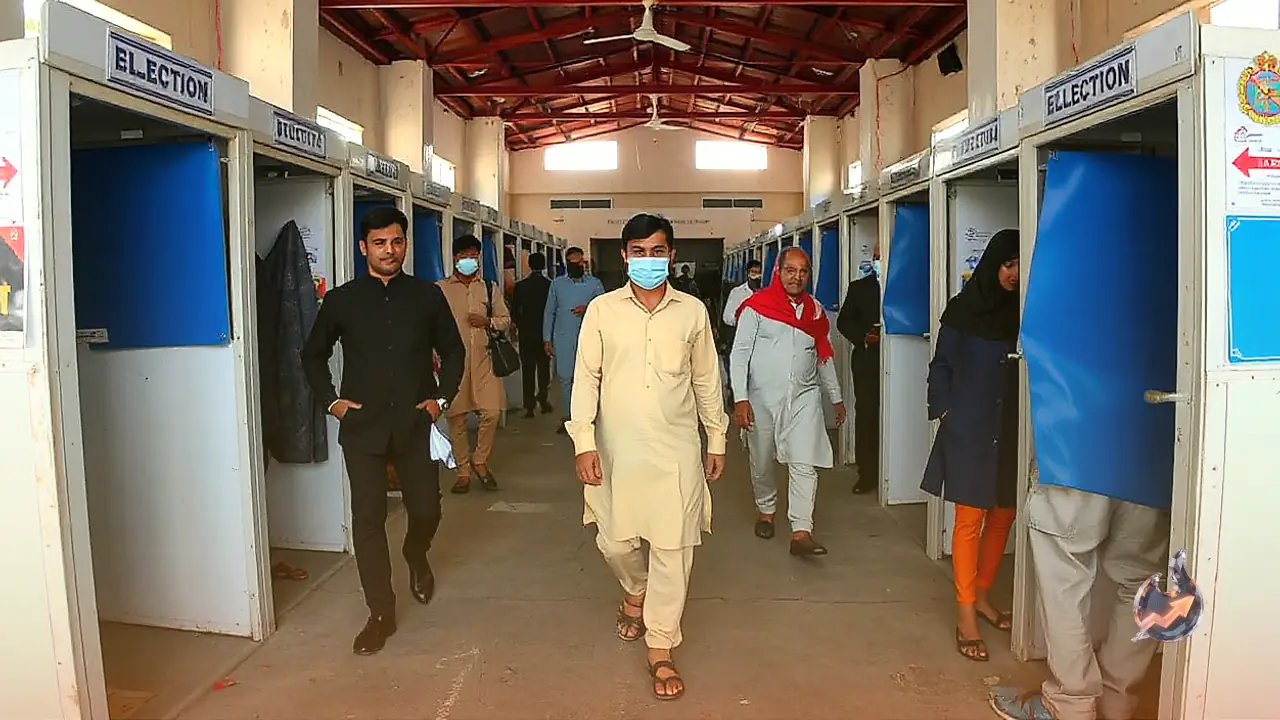

Ahead of key electoral exercises, the Election Commission is rolling out a massive state-wide drive in Uttar Pradesh to rectify, update, and purify the electoral rolls. Chief Electoral Officer Navdeep Rinwa stated that special revision camps will be organized across Uttar Pradesh on November 21, 22, 28, and 29. During these designated dates, Booth Level Officers will remain stationed at all 1,73,000 polling stations across the state to facilitate voter enrollment and resolve grievances directly with citizens.
Revision Timeline and Key Dates
The formal process begins with the publication of the draft voter list on November 17. Following this release, election officials will commence the exercise of including missing eligible electors, correcting clerical discrepancies, and settling claims and objections. Special attention is directed toward young citizens who have turned 18, as well as prospective voters attaining the age of 18 in 2027, who can submit their advance enrollment applications during this window.
The Arithmetic of SIR and Electoral Figures
The Special Intensive Revision, known as SIR, has emerged as a significant talking point in the lead-up to the 2027 Uttar Pradesh assembly elections. The debate surrounds not only standard additions and deletions, but also shifts in community voter counts and fair administrative access. The baseline data shows that after completing the SIR exercise, the final voter list published on April 10, 2026 recorded 13,39,84,792 voters, which translates to roughly 13.40 crore electors.
Demographic segregation revealed 7.31 crore male electors, 6.09 crore female electors, 4,206 third-gender electors, and 17.63 lakh voters aged between 18 and 19 years. Prior to the SIR implementation, the total voter strength in Uttar Pradesh stood at 15.44 crore. When the earlier draft list was published on January 6, 2026, the count fell to 12.55 crore. Subsequent verification between the draft stage and the final publication on April 10 resulted in the net addition of roughly 84.29 lakh voters.
Ground Verification, Deletions, and Duplications
Extensive field scrutiny during the SIR exercise uncovered substantial irregularities in existing entries. Administrative data showed that 46.23 lakh electors were confirmed deceased. Furthermore, physical verification by Booth Level Officers failed to locate 2.17 crore voters at their recorded residential addresses. Another 25.47 lakh entries were discovered to be duplicate registrations appearing in multiple locations. Consequently, the fact that 2.89 crore names were absent from the initial draft list did not indicate improper mass deletion, as statutory rules required the removal of deceased, untraceable, and duplicate entries.
Political Claims Over Missing Demographics
The voter list revision has attracted political friction. Uttar Pradesh Chief Minister Yogi Adityanath claimed that approximately 1.27 crore Hindu voters were missing from the Election Commission voter list following the SIR process. According to figures cited by him, nearly 66 lakh individuals appear on local panchayat voter lists but are missing from the legislative assembly rolls.
The Chief Minister further asserted that roughly 55 lakh Hindu beneficiaries receiving government welfare schemes are omitted from the assembly voter roll. In addition, around 4.5 lakh youths in the 18 to 19 age group were claimed to be unlisted. Alongside these points, he claimed that the revision coincided with a 1.65 percent rise in the Muslim voter share.
Application Procedure and Essential Forms
To eliminate discrepancies and ensure that every legitimate citizen is enfranchised, Chief Electoral Officer Navdeep Rinwa initiated this multi-layered verification and registration campaign. Electors can utilize designated statutory forms at polling stations or online platforms
- Form-6: Used by eligible citizens applying for fresh registration as general voters.
- Form-7: Designed for raising objections against an entry or seeking the deletion of an existing name.
- Form-8: Utilized for correcting personal details including name, address, age, or photograph in the electoral roll.