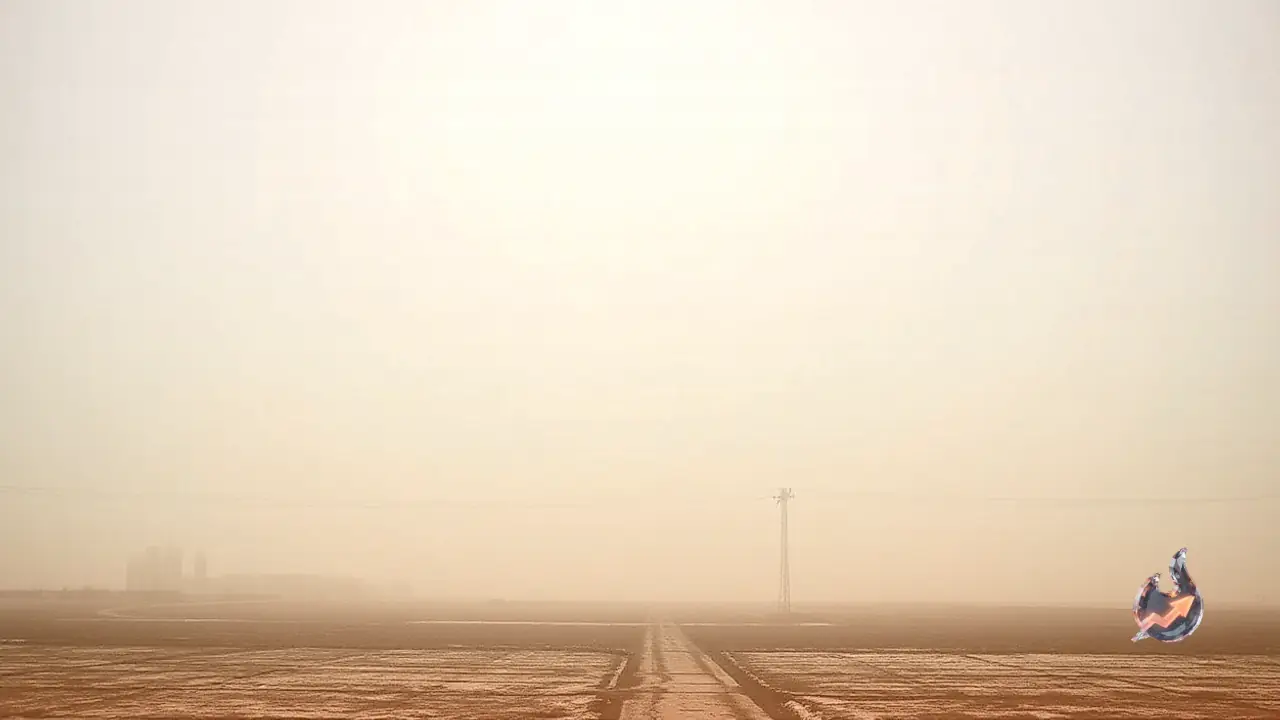

New Delhi: Stepping outside the house during winter mornings often reveals a thick white haze spread all around. Distant objects lose their clarity and visibility on roads drops significantly. Most people immediately assume this phenomenon is fog, but that is not always the case. On many occasions, this haze turns out to be smog, which is directly triggered by air pollution. While fog and smog look remarkably similar to the naked eye, the core reasons behind their formation are entirely different. Addressing this confusion, the India Meteorological Department or IMD took to X to break down the distinct characteristics separating the two.
What is fog and how does it form?
According to the IMD, fog is primarily formed by extremely tiny droplets of water suspended in the air. When these moisture droplets disperse widely through the atmosphere, they create a white mist that makes it difficult to see across long distances. During winter, plunging temperatures combined with rising humidity levels in the atmosphere lead to heavier occurrences of fog. This heavy visibility drop frequently disrupts vehicular traffic on roads and creates commuting hurdles for everyday travelers.
What is smog and why does it occur?
Smog, on the other hand, is not just composed of small water droplets; rather, it is a complex issue deeply tied to air pollution. It incorporates harmful smoke, fine dust particles, haze, and various other pollutant elements lingering in the atmosphere. Smoke billowing from automobiles, industrial pollution originating from factories, and dust kicked up during construction activities act as the primary drivers that amplify smog levels. Seasonal weather conditions during the winter months often push this smog crisis into a much more severe phase.
What is the biggest difference between fog and smog?
The single biggest distinction between the two lies in their root causes of formation. Fog is a natural phenomenon born out of moisture droplets present in the air, whereas smog is heavily packed with smoke, dust, and hazardous polluting particles. Fog fundamentally represents a weather-related natural condition, whereas smog has a direct correlation with environmental air pollution. Therefore, treating every single patch of morning mist as harmless fog can be misleading.
How can smog impact human health?
The toxic pollutant particles trapped inside smog can pose serious hazards to human health. Exposure to this polluted air often triggers burning sensations in the eyes, persistent sore throats, frequent coughing bouts, and breathing difficulties. Young children, senior citizens, and individuals who already suffer from pre-existing respiratory ailments face heightened vulnerability to these health hazards. Consequently, exercising extra caution while stepping outdoors during polluted weather conditions remains essential.
Important points to remember before stepping out in the morning
When encountering a blanket of haze during winter mornings, one should never dismiss it merely as ordinary fog. Before leaving home, checking the local Air Quality Index (AQI) along with the current weather update is highly recommended. If pollution levels run high, avoiding prolonged exposure in open areas is wise. Wearing a mask when necessary and keeping children and elderly family members away from high-pollution zones is crucial. Notably, during the winter season, दिल्ली and numerous other regions across the country witness severe smog threats that heavily inconvenience residents.