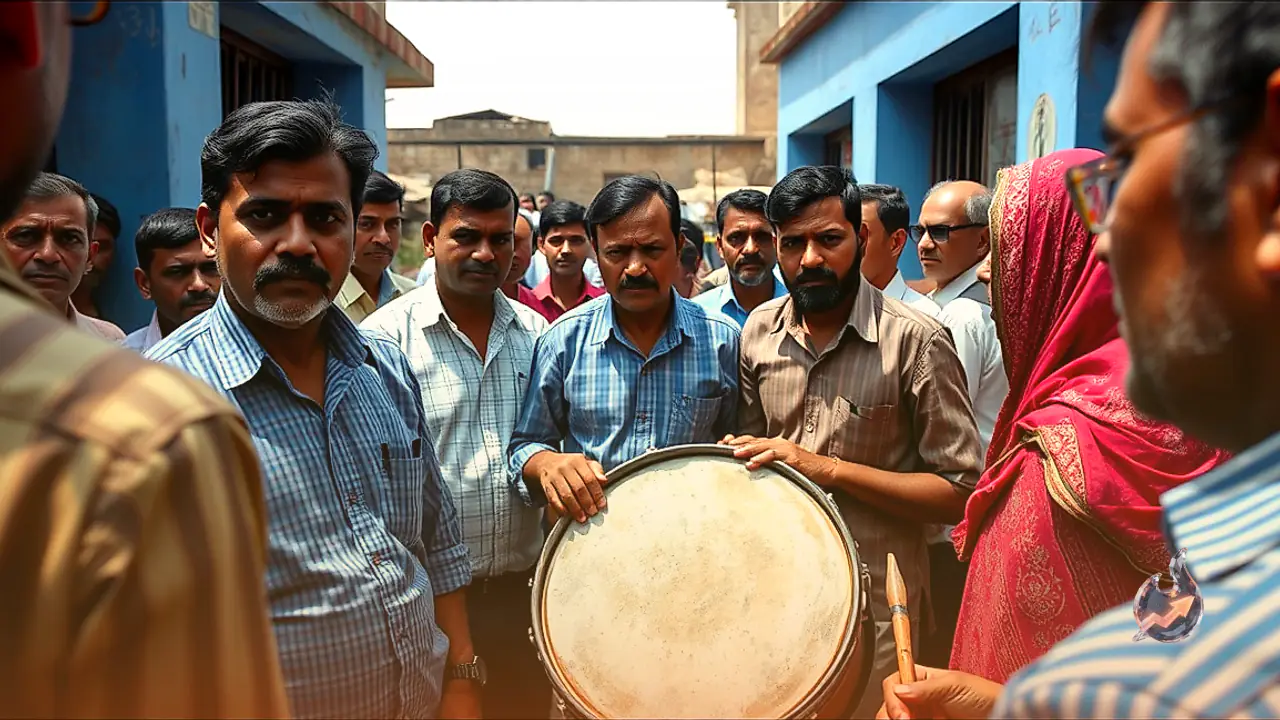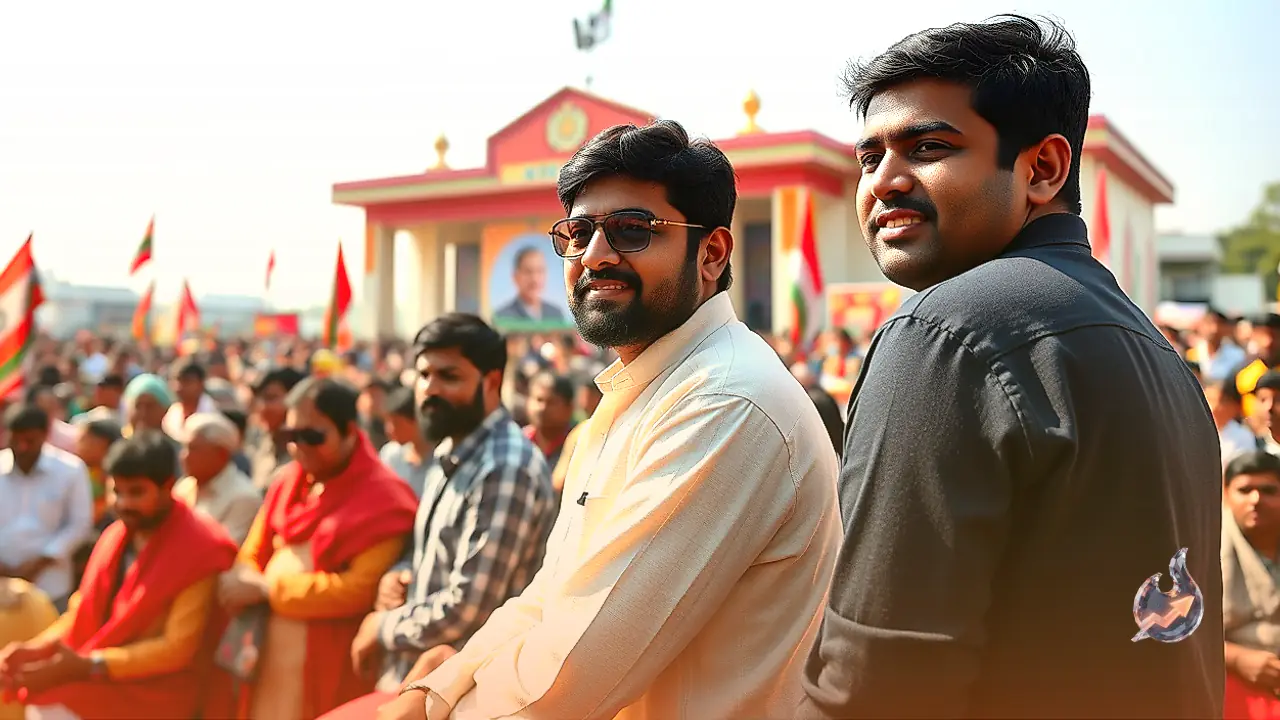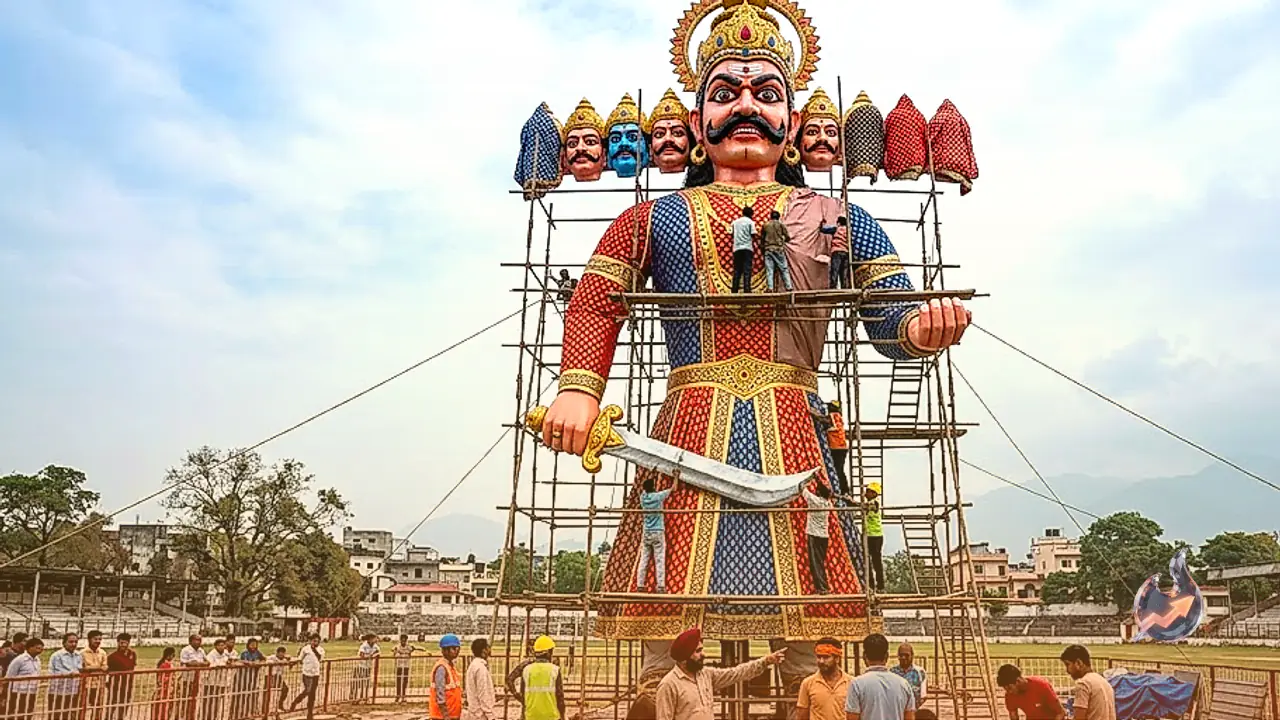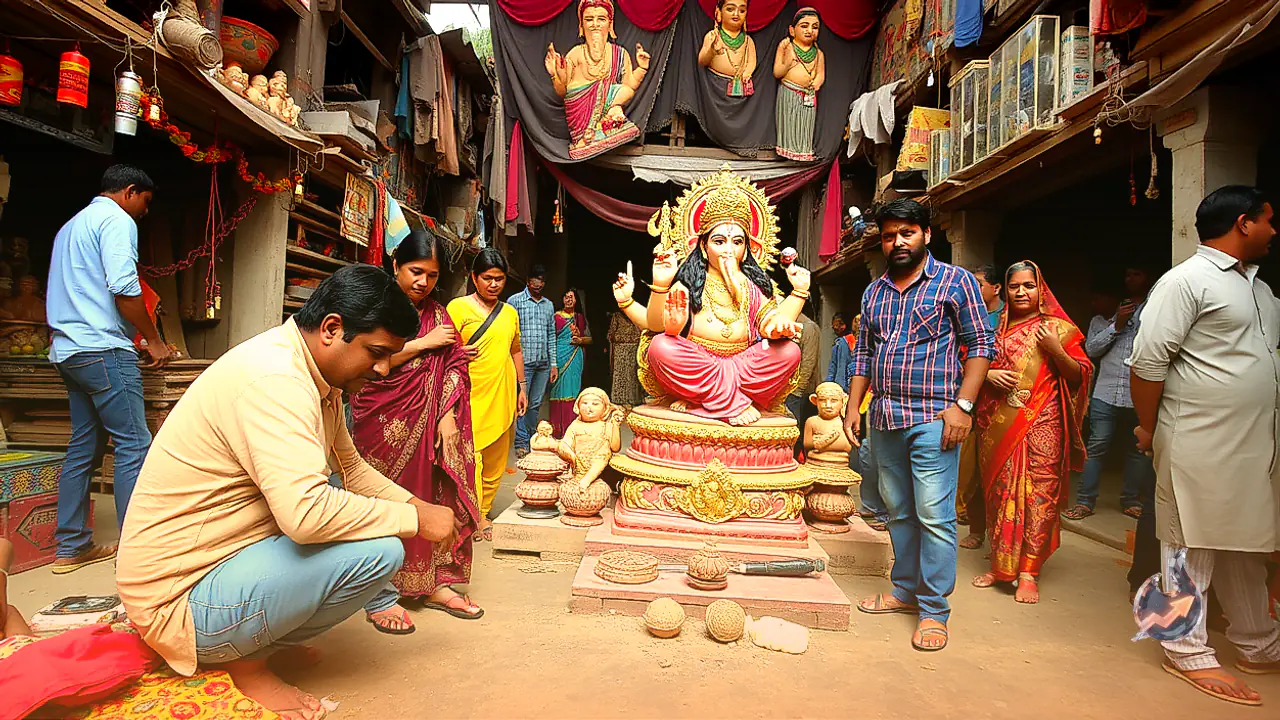

















Across the country, the commencement of Navratri begins with the sacred Kalash Sthapana ritual, marking days of devoted celebrations. Spectacularly crafted puja pandals based on diverse artistic themes stand out as the primary attraction, drawing immense crowds of visitors. While the festivities showcase immense cultural vibrancy across West Bengal and Jharkhand, towns and cities across Bihar also witness beautifully constructed pandals. Typically, the festive gathering lasts through nine days of religious devotion, culminating on Vijaya Dashami when idols of Goddess Durga are given an emotional farewell through immersion rituals, marking the conclusion of the fair in most localities.
The Fair That Opens on Ekadashi While Others Wind Down
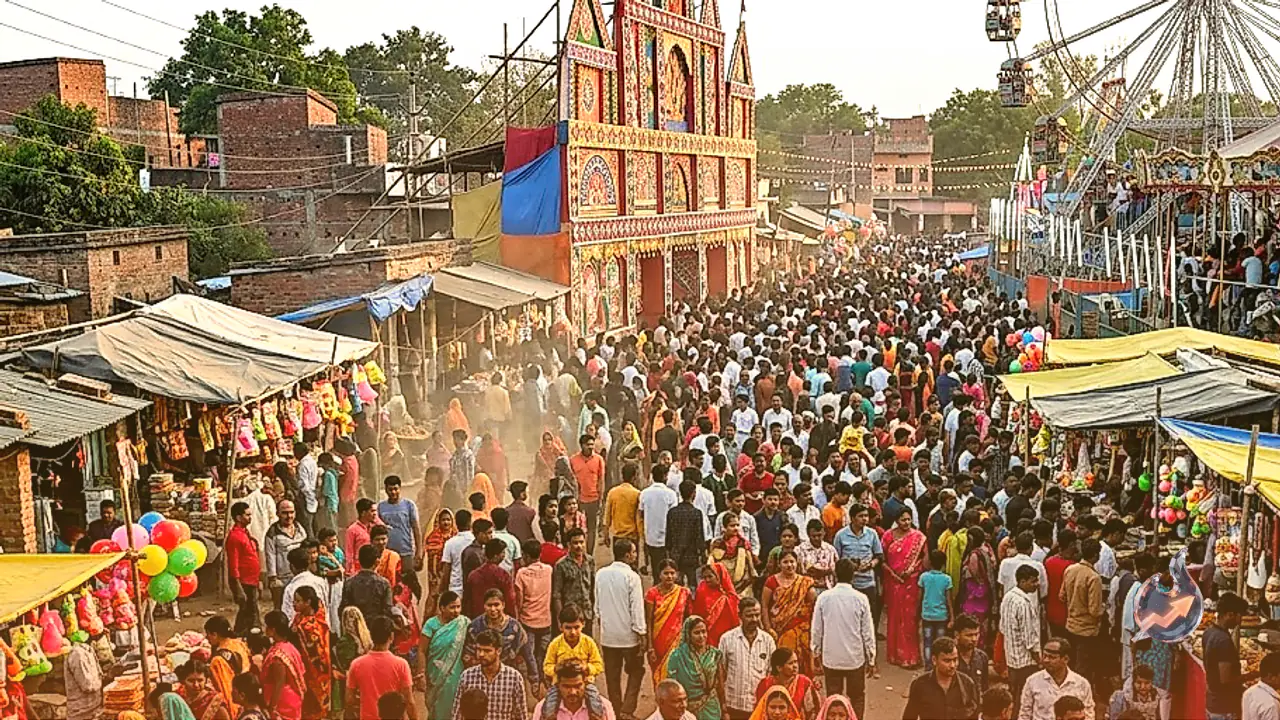
Bihar houses an exceptional exception to this widespread festive schedule. In a striking departure from standard observance, festive market gatherings in one specific town begin only after all surrounding celebrations conclude. Situated within the Jehanabad district of Bihar, the town of Ghosi hosts its grand Dusshera fair on Ekadashi, the exact day following Vijaya Dashami. Originating well before India gained independence, this scheduling quirk transforms the entire market on Ekadashi into a bustling hub. Beyond local residents, thousands of visitors travel from nearby districts including Patna, Nalanda, and Arwal to immerse themselves in the vibrant open fair.
An Unbroken Cultural Timeline Preserved Since 1945
Explaining this regional practice, Yogendra Pandey, the priest of the Badi Durga temple in Ghosi, pointed out that the market's Dusshera observance is celebrated with singular distinction across the state. The fair reaches its full festive grandeur precisely when idols of Goddess Durga have already been immersed everywhere else. Priest Yogendra Pandey noted that the custom of assembling the fair on Ekadashi has been actively practiced in the town since roughly 1945, retaining its spirit across decades of social changes.
From a Landlord Compound to a Dedicated Temple Landmark
Recounting the historical circumstances that gave rise to the schedule, priest Yogendra Pandey explained that during an era when the local population was small, Durga Puja was originally celebrated inside the private compound of local landlord Jagannath Babu. Throughout the initial ten days, residents dedicated their complete attention to performing demanding rituals and spiritual ceremonies without diversion. Consequently, people gathered collectively to socialize and enjoy the fair only on Ekadashi, once the intensive ceremonial responsibilities concluded. Over time, that practical post-ceremony routine evolved into an institutionalized custom. Later, a temple was established on donated land, coming to be known as the Badi Maa Durga temple, where regular rituals and the bustling Ekadashi market continue to thrive within Gopalganj market.