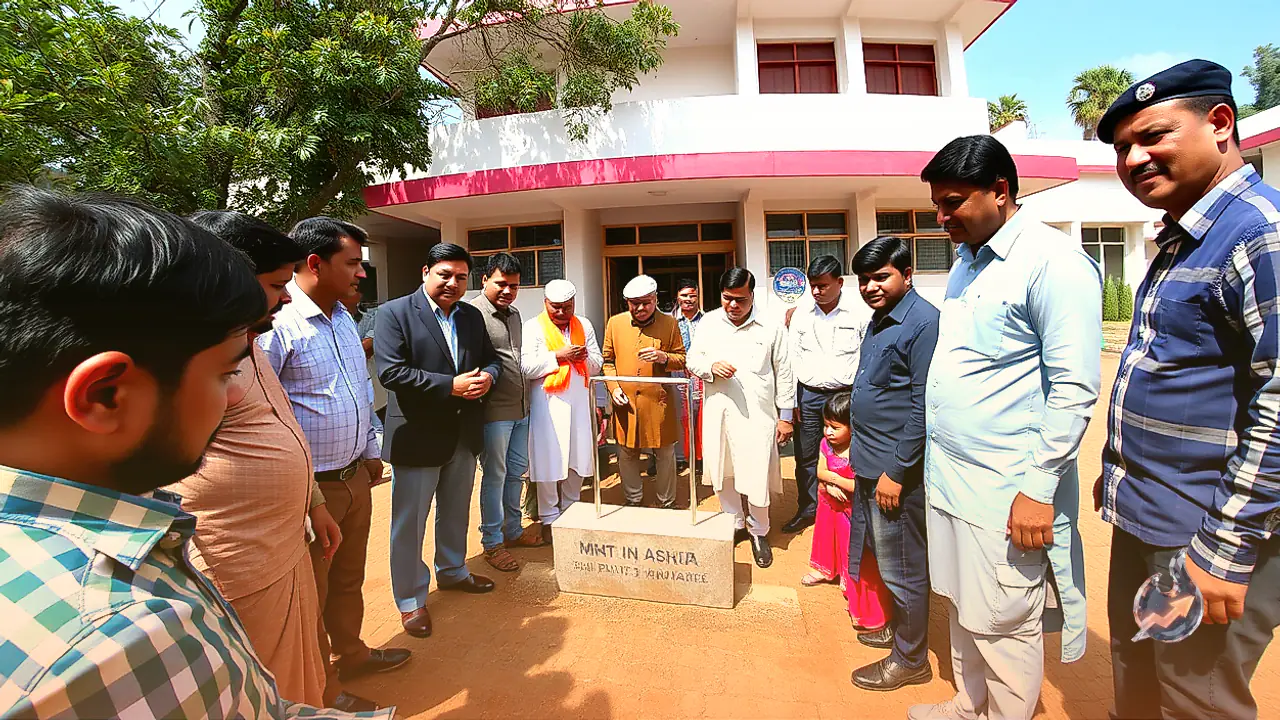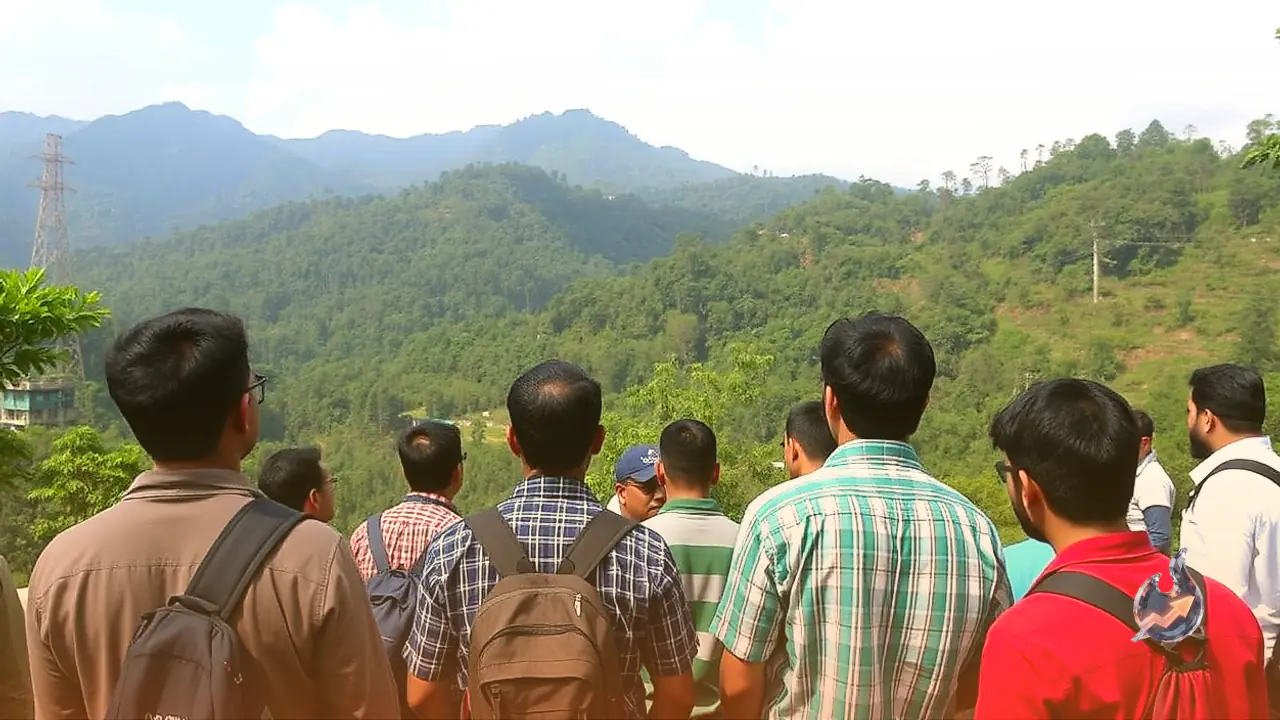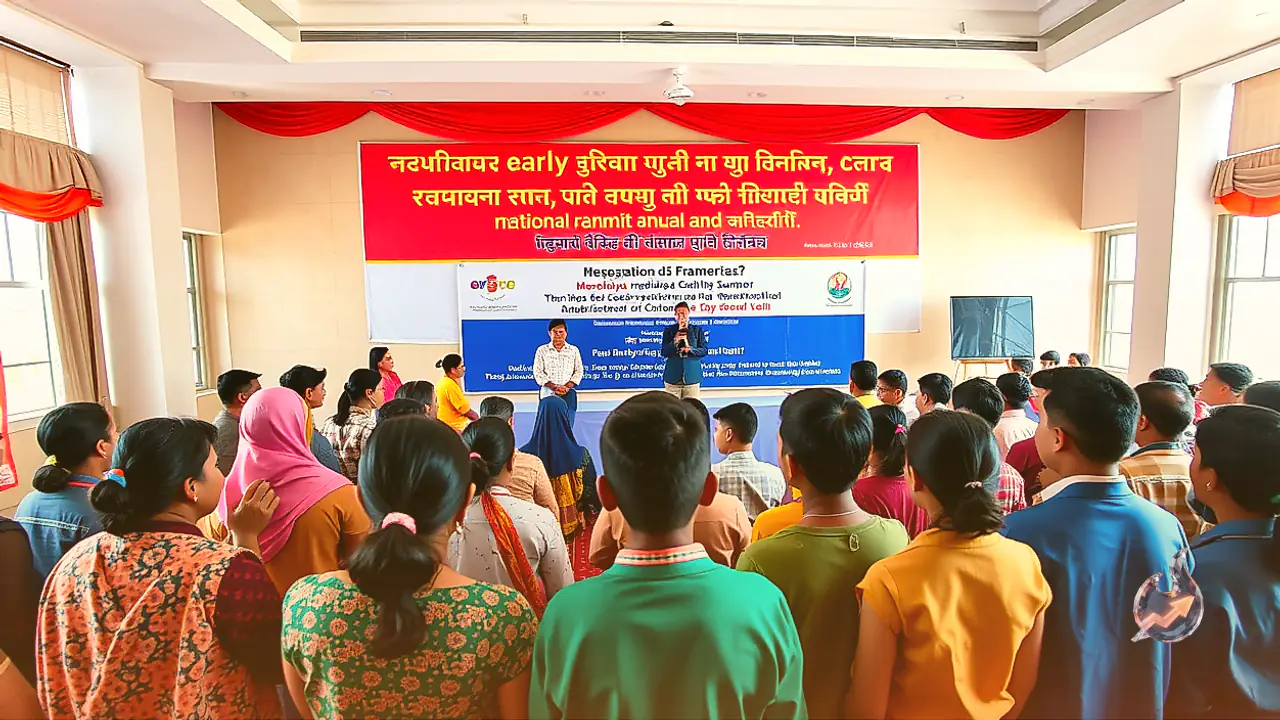




















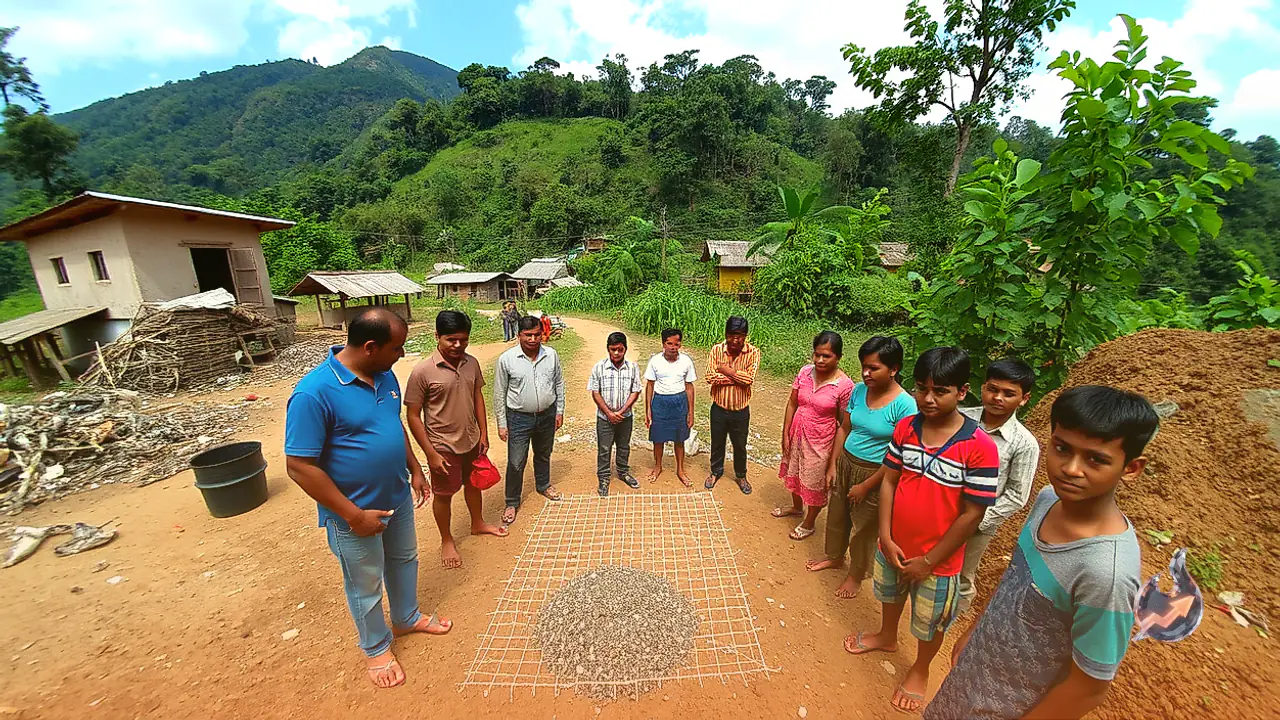

A collective environmental intervention has been initiated in Meghalaya to safeguard the fragile ecosystem of Umiam Lake from incoming urban refuse. Members of the Green-Tech Foundation teamed up with local residents from Mawdun village to launch a major waste removal drive across the stretch of Wah lap-Ngor, aiming to halt solid debris before it enters the expansive freshwater reservoir.
Targeting the Confluence of Polluted River Waters
The clean-up operation specifically focused on the critical corridor where runoff and waste transported by two primary streams, the Wah Umkhrah and Wah Umshyrpi rivers, converge and head straight toward Umiam Lake. As these rivers pass through populated areas, they carry large loads of non-biodegradable waste and floating debris. By physically clearing the river channel at Wah lap-Ngor, community volunteers and foundation members sought to build a frontline barrier against persistent reservoir contamination.
Call for Structural Action Beyond Periodic Drives
Addressing the ongoing deterioration of the water body, Green-Tech Foundation chairman H Bansiewdor Nonglang emphasized that sporadic, one-off clean-up events are inadequate to fix the deeper environmental crisis facing the lake. He pointed out that meaningful recovery requires confronting the core sources of water contamination and sedimentation head-on. Nonglang stressed, “We cannot simply stand by and watch the condition of Umiam Lake deteriorate.”
Severe Silt Influx Threatens 172 MW Hydropower Plant
Estimates indicate that the reservoir receives an influx of more than 40,000 cubic metres of sediment every single year. This persistent sedimentation steadily diminishes the water-holding volume of the basin, creating substantial uncertainty around the asset's structural longevity. Beyond its scenic and ecological significance, the reservoir plays a pivotal economic role by powering Meghalaya’s 172-megawatt Umiam hydropower facility, making uninterrupted storage capacity vital for state energy generation.
Comprehensive Blueprint Urged for Lake Rejuvenation
To secure a permanent turnaround, the foundation proposed an integrated restoration framework rather than relying on reactive clean-ups. Recommended measures include intercepting solid waste at its origin points, actively rejuvenating the feeding river networks, undertaking large-scale afforestation along catchment slopes, and instituting scientific dredging and sediment controls. The foundation urged government agencies, indigenous community bodies, environmental groups, and technical specialists to unite behind a structured, long-term restoration programme.