
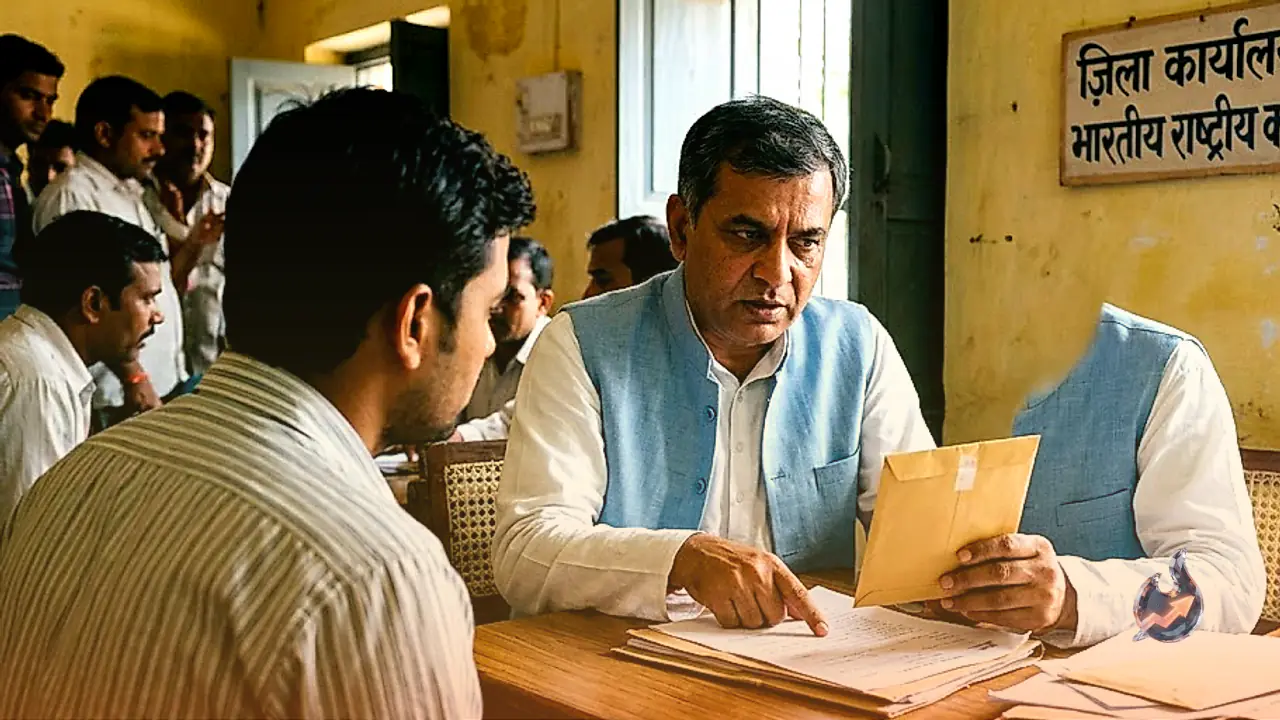




















In a decisive move to restore the credibility and integrity of competitive examinations across the country, the Central Government has undertaken a comprehensive administrative overhaul of the National Testing Agency. Following widespread controversies and serious allegations of paper leaks during recent national entrance tests, four senior civil service officers have been inducted into key management positions. The restructuring aims to enforce stringent oversight at examination centers nationwide, eliminate administrative bottlenecks, and rebuild trust among candidates and their families. Alongside the administrative personnel changes, the government has launched a national public consultation initiative to gather direct feedback from stakeholders.
Senior Bureaucrats Appointed to Key Leadership Positions
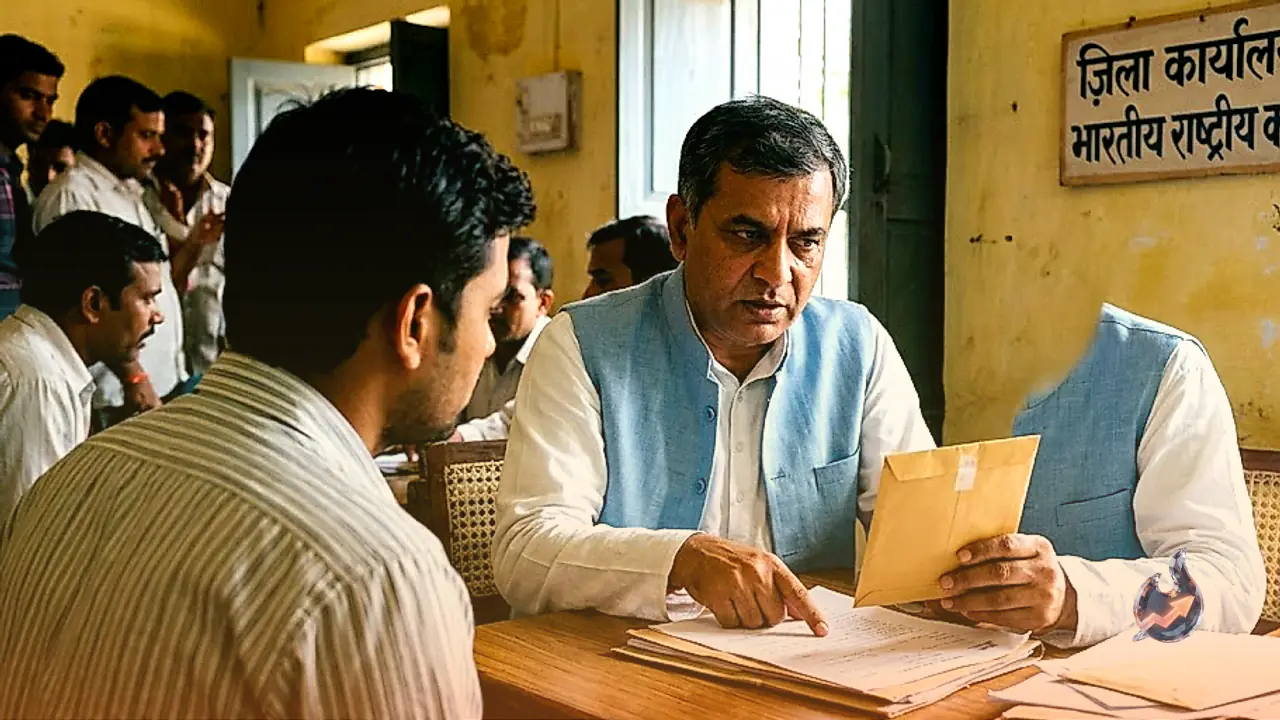
To streamline examination operations and solidify administrative controls, the government has placed its trust in experienced officers from the Indian Administrative Service, Indian Police Service, and Indian Revenue Service. IRS officer Anshuman Sharma has been appointed as Joint Secretary in the agency under the Department of Higher Education. His appointment has been approved for a period of five years or until further orders, with his initial tenure set for two years within the agency.
Furthermore, IPS officer Ravi Kumar Singh and IAS officer Prasanna Venkatesh V have been designated as Directors in the agency. Completing the new administrative team, 2016-batch IRS officer Amit Samdariya has been assigned the crucial role of Joint Director. Demonstrating administrative urgency, the Ministry of Personnel has issued strict instructions directing all four newly appointed officials to assume their respective charges within three weeks.
Nationwide Public Consultation Invites Reform Suggestions
With an objective to introduce fundamental structural changes into the examination framework, a high-level task force constituted by the agency has initiated a public consultation drive. This specialized committee is actively seeking constructive suggestions from students, parents, educators, and citizens across the country. The government believes that incorporating real-world feedback from the public is essential for building a resilient testing infrastructure.
Stakeholders possessing innovative ideas to make the examination process foolproof can submit their proposals until September 13, 2026. Submissions can be transmitted through multiple accessible communication channels, including WhatsApp, the official web portal, a dedicated toll-free number, and email. The government has clarified that recommendations can be submitted in Hindi, English, or any regional language of India.
Addressing Paper Leak Scandals and Rebuilding Institutional Trust
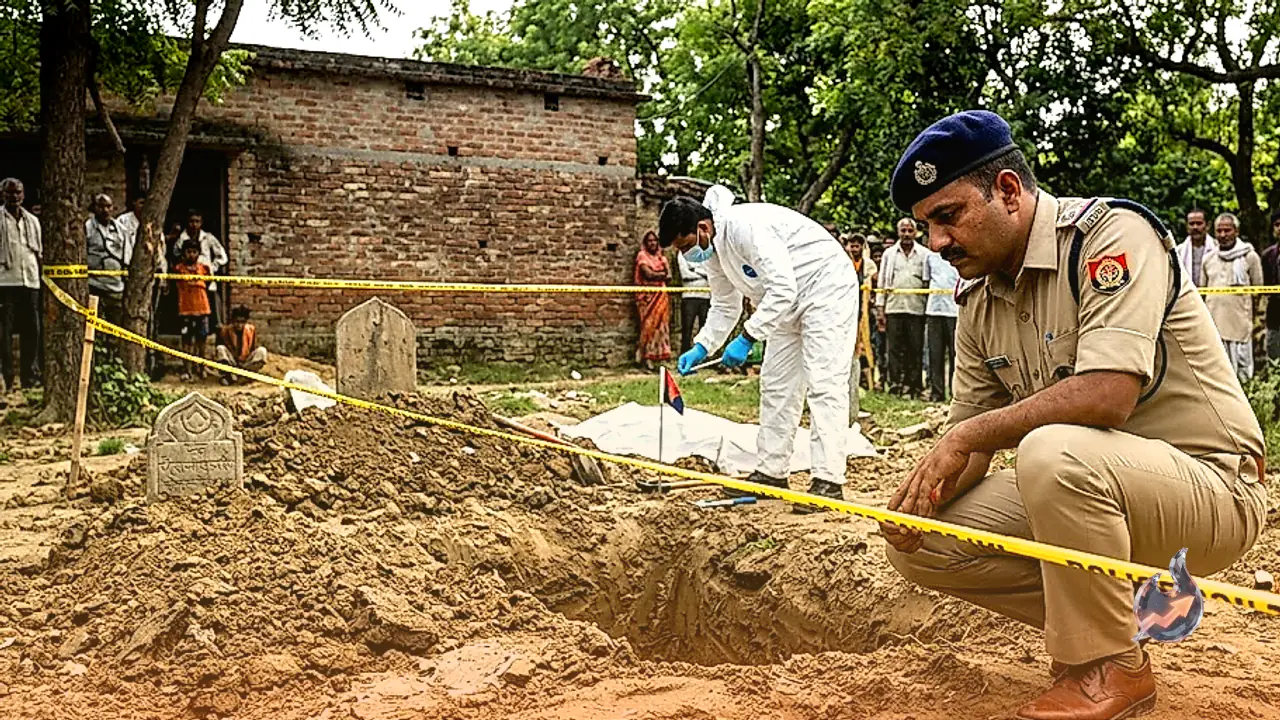
The imperative for structural reform followed severe allegations of paper leaks and logistical irregularities during major competitive assessments, including the NEET-UG examination. These incidents caused widespread disruption and severely compromised the confidence of millions of aspirants and their families in the national testing mechanism, sparking demands for systemic overhauls across the nation.
By combining high-level administrative reinforcement with broad public participation, the government seeks to eradicate both technical and operational vulnerabilities within the examination machinery. The dual approach of deploying proven civil servants and incorporating citizen feedback is intended to re-establish transparency, accountability, and institutional dependability in future competitive examinations.