























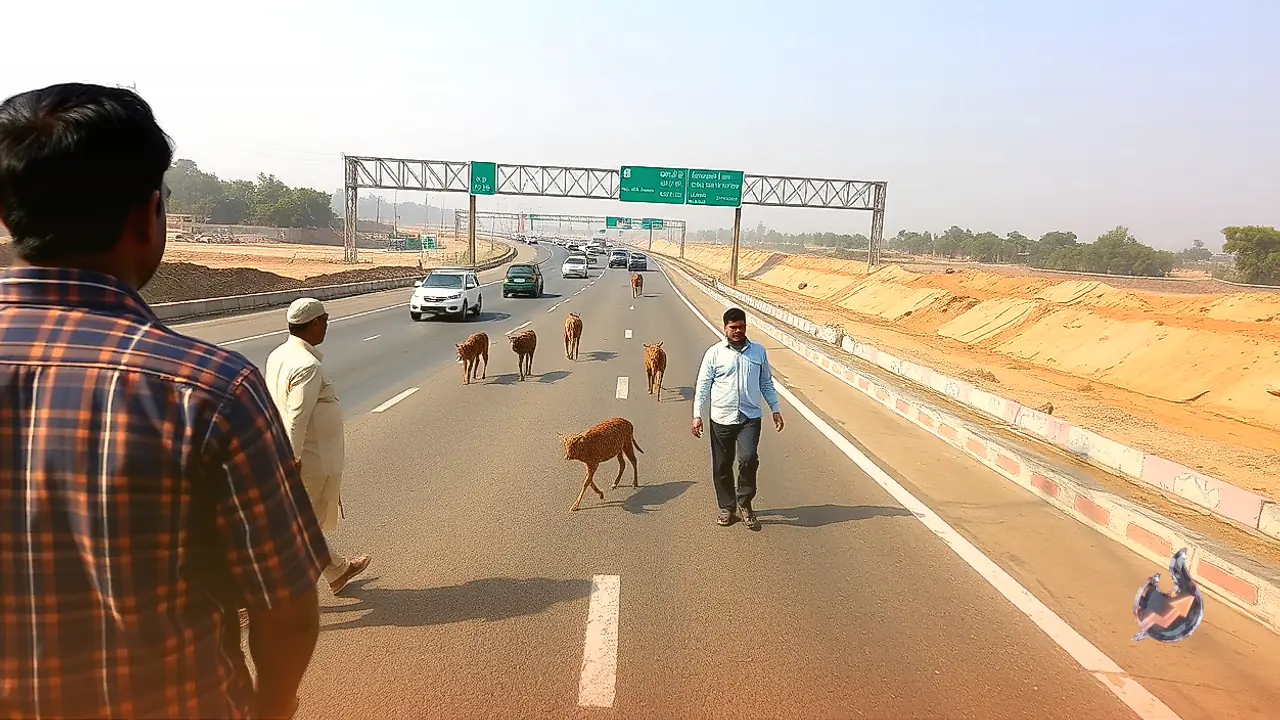

Rapidly expanding highway networks across India have substantially reduced travel times and boosted connectivity between regions, yet laying roads through forest tracts has simultaneously introduced serious conservation challenges. When high-speed express corridors bisect dense woodlands, heavy vehicular traffic poses severe hazards to roaming animals, frequently resulting in fatal collisions and fracturing traditional migratory routes. Addressing this ecological concern, the National Highways Authority of India, known as NHAI, has carried out large-scale wildlife protection interventions across multiple highway projects. Over the past five years, an expenditure of roughly ₹19,700 crore has been directed toward ecological safeguards, delivering more than 2,150 dedicated wildlife mitigation structures nationwide.
Underpasses, Overpasses, and Dedicated Crossing Networks
To keep animal transit safe while expanding highway corridors, planners and engineers have deployed a variety of specialized infrastructural designs tailored to forested terrains. These interventions include dedicated wildlife underpasses, vegetated overpasses, long elevated viaducts, and sturdy protective fencing along roadway verandas. The fundamental objective behind these structures is to prevent animals from stepping onto high-speed asphalt lanes when traveling between divided forest compartments. By preserving continuous, unhindered animal pathways beneath or above roadways, highways can operate efficiently without severing natural habitats or endangering moving wildlife.
Balancing Infrastructure Growth with Ecological Needs
Highway planning frameworks have increasingly embedded wildlife preservation and local environmental requirements directly into project blueprints. Rather than implementing uniform templates across all regions, structural solutions are designed around the specific topography and behavioural patterns of native animal populations in each corridor. This strategic alignment ensures that national connectivity goals are achieved without dismantling fragile ecosystems, allowing logistics corridors to expand while actively shielding animal habitats from disruption.
Positive Adoption Across Multiple Wildlife Species
Field observations from operational corridors indicate that numerous animal species have adapted to the newly built crossing infrastructure. Monitoring across multiple highway sections shows various wildlife varieties actively and routinely navigating the subterranean passages and designated tracks. This successful adoption demonstrates that deliberate structural planning and ecological engineering can effectively reconcile rapid highway expansion with long-term wildlife survival.
Reducing Conflict Between Vehicles and Forest Animals
A vital benefit of these dedicated crossing mechanisms is the mitigation of direct human-wildlife encounters along major transportation routes. Supplying animals with secure transit corridors significantly lowers the likelihood of wild beasts straying onto high-speed lanes, protecting travelers from catastrophic crashes while keeping wildlife out of harm. NHAI plans to continue incorporating sustainable and environmentally conscious designs into all future highway blueprints, aiming to maintain an infrastructure network that remains durable, green, and safe for both motorists and natural fauna.