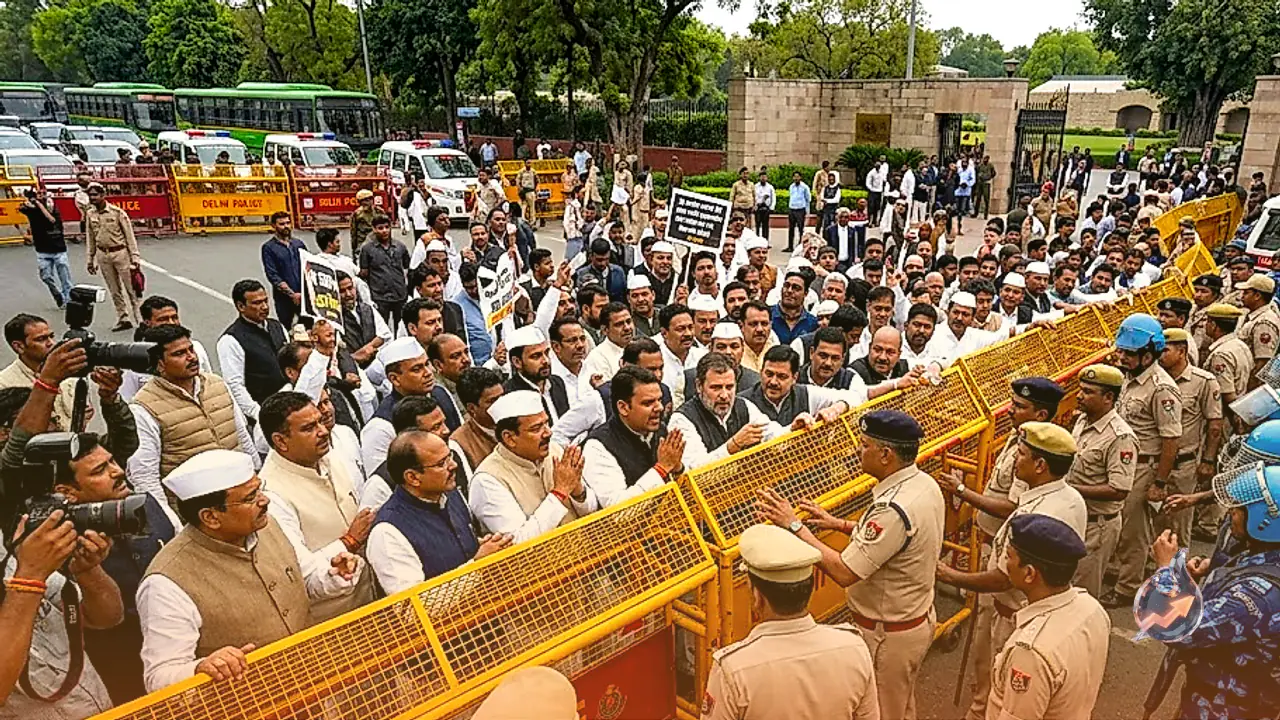


















Tensions and scheduling rifts within the opposition alliance came to the fore in Patna during a synchronized agitation targeted at the Election Commission. While Congress leader Rahul Gandhi was actively spearheading a joint demonstration alongside allied parties in New Delhi, the situation on the ground in Bihar presented a stark contrast. The Rashtriya Janata Dal, or RJD, was left to mount its demonstration entirely on its own. RJD leader Tejashwi Yadav had formally invited key allies including the Congress and the Left parties to participate in the joint agitation, yet not a single leader from either partner organization showed up to march shoulder-to-shoulder with the RJD when the event began.
The Aakrosh March Hits Police Barricades
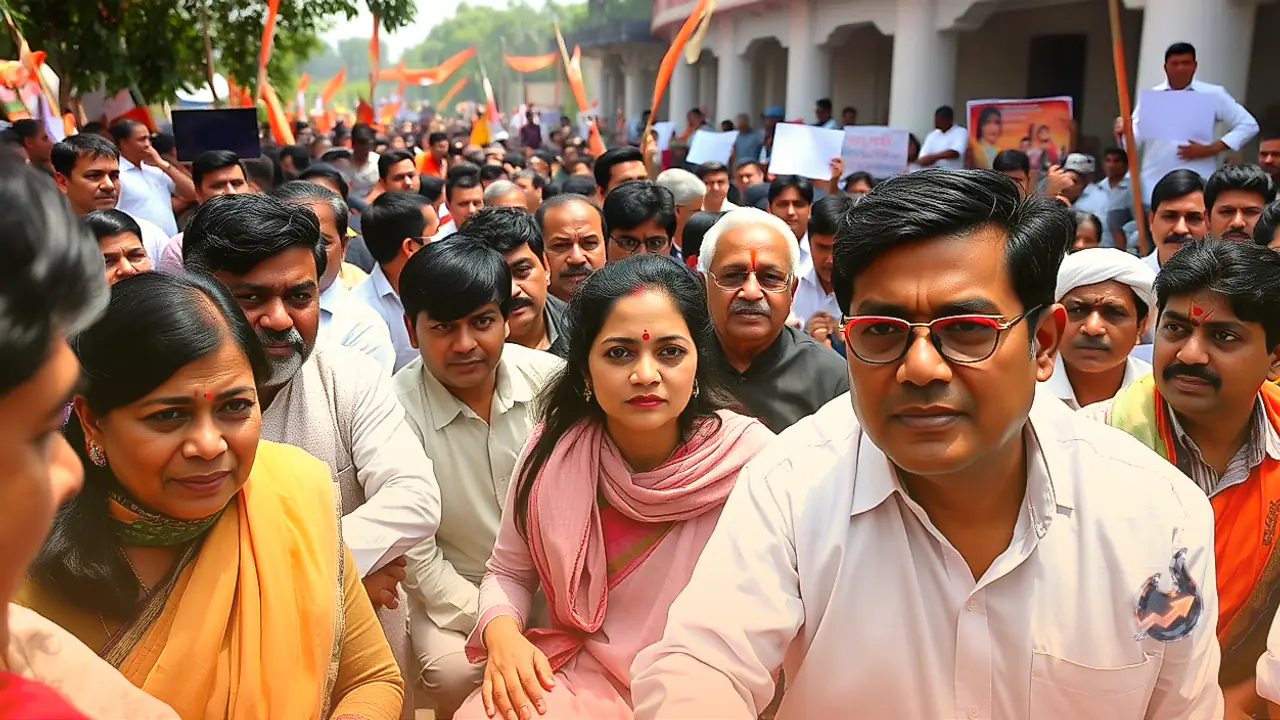
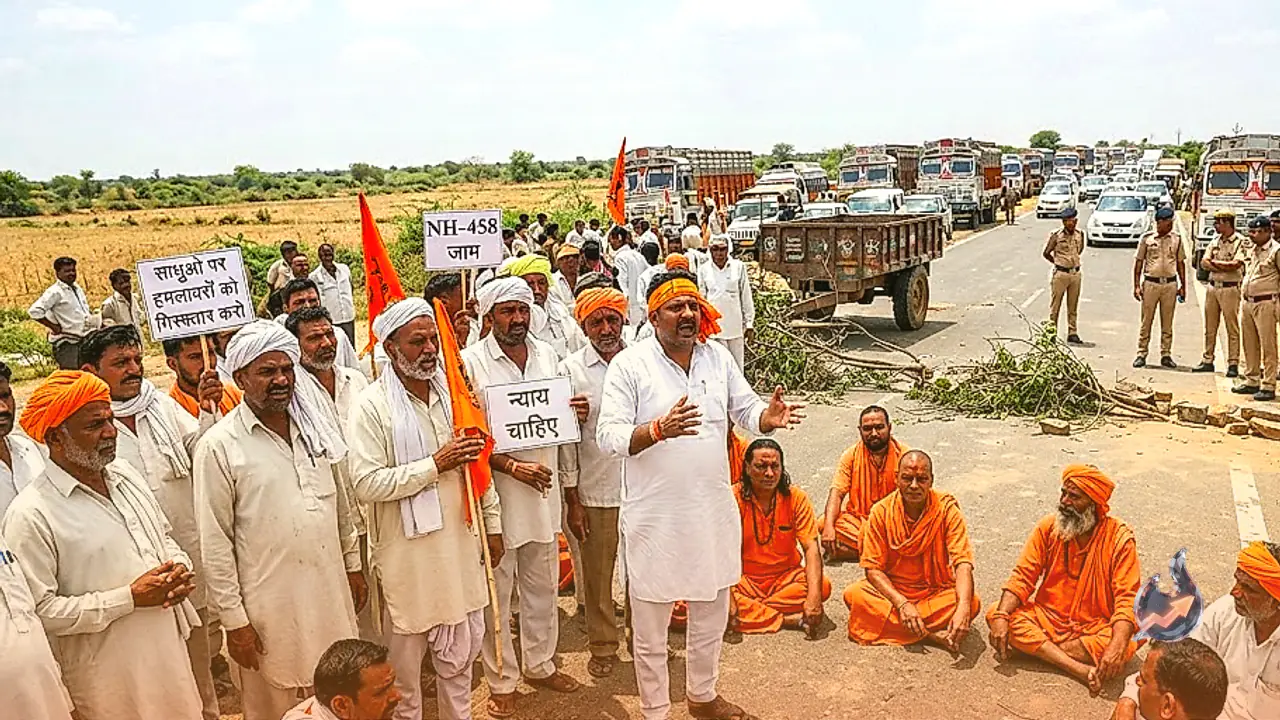
Tejashwi Yadav designated the RJD street agitation as an 'Aakrosh March' aimed at challenging the conduct of election authorities. Under the party plan, demonstrators intended to march across the city and gherao the Governor's official residence at Raj Bhavan. Yadav hit the streets alongside supporters around 10 am to initiate the demonstration. Antagonism escalated near the Bihar Legislative Assembly, where police personnel had established heavy barricading to seal off the route. Law enforcement stopped Yadav and his supporters from advancing any further, triggering a heated verbal confrontation between the leader and the officers on duty. Protesting the blockade, Yadav climbed atop the police barricade. Officers moved in quickly, took him into preventive custody, and brought the street agitation to an immediate standstill.
Warning Over Democratic Rights and Ongoing Struggle
Moments before being detained by police personnel, Tejashwi Yadav launched a fierce political offensive against the BJP. He declared that people would inevitably punish those responsible for suffocating democratic institutions. Yadav maintained that regardless of how forcefully authorities attempted to muzzle opposition voices, this decisive battle would not stop. He claimed that the state machinery was suppressing the fundamental right to peaceful and democratic protest. The primary objective behind the RJD march to Raj Bhavan was to formally register an institutional objection against the role of the Election Commission.
BJP Hits Out at Alliance Fractures
The visible absence of Congress leaders from Yadav's march provided immediate political ammunition to the ruling establishment. BJP spokesperson Ajay Alok took aim at the opposition coalition, claiming that when Congress leaders themselves do not place confidence in Tejashwi Yadav, the people of Bihar cannot be expected to trust him either. Alok pointed out that despite direct invitations extended by Yadav, no Congress functionaries participated in the street demonstration. He stated that this blatant gap demonstrated that the opposition alliance had fractured, leaving its joint political rhetoric devoid of any credibility.
Delegation Escorted to Raj Bhavan to Submit Memorandum
The confrontation eased after administrative officials agreed to escort an RJD delegation led by Tejashwi Yadav directly to Raj Bhavan under police escort. Inside the premises, Yadav met the Governor and submitted a formal memorandum detailing the party's grievances regarding the Election Commission. Following the submission of the document, the RJD officially concluded its protest. Although the agitation began with plans to surround the Raj Bhavan perimeter, it ended with the peaceful delivery of the memorandum. As soon as Yadav exited Raj Bhavan, the scene at the protest ground shifted yet again.
Late Arrival of Congress and Left Workers
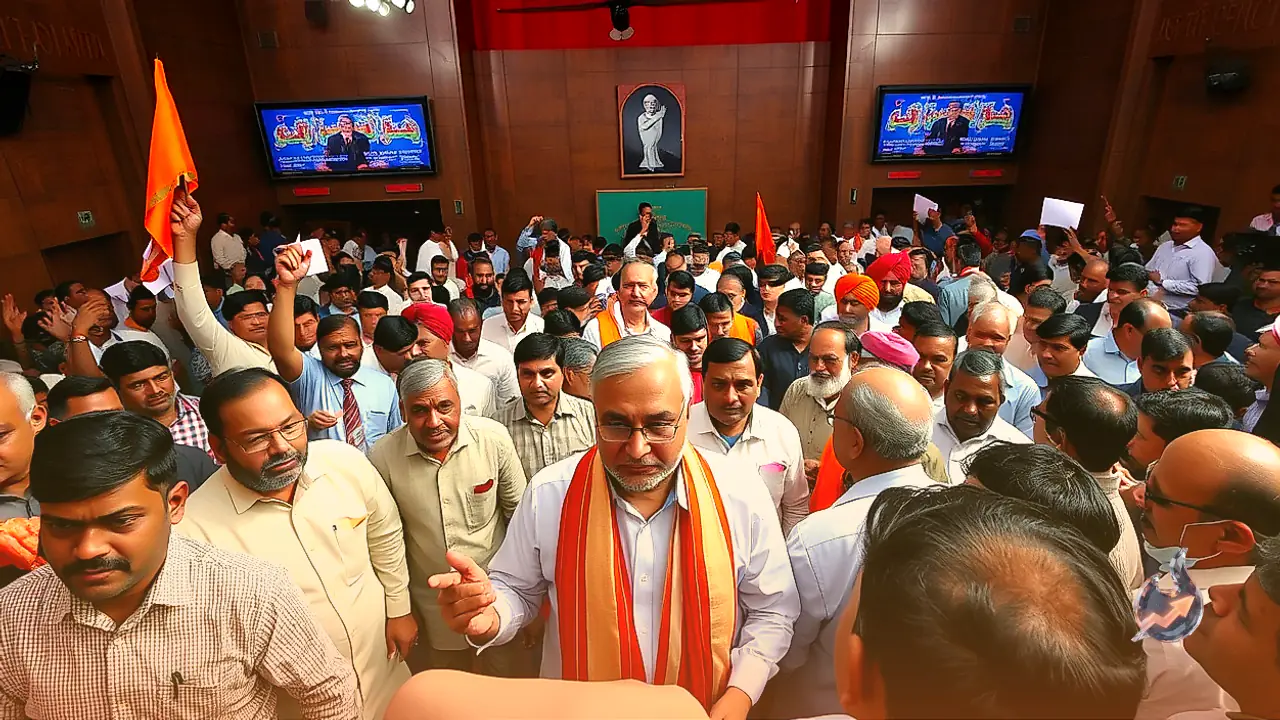
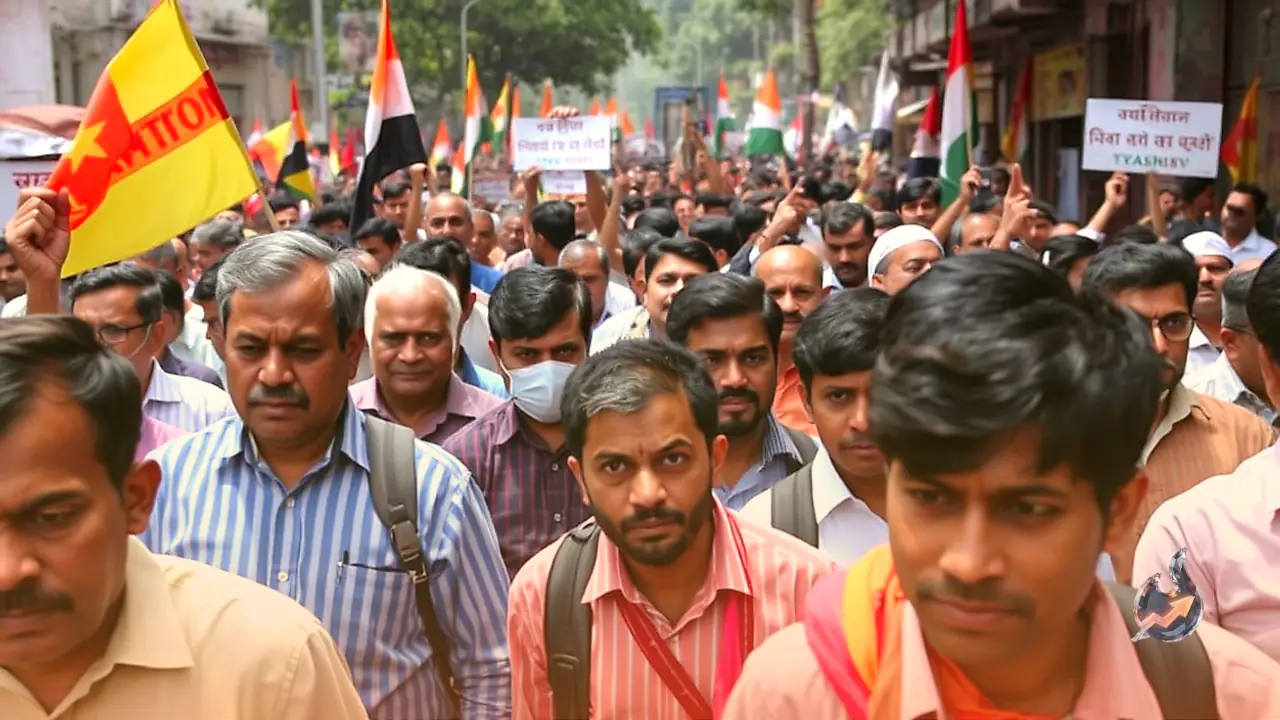
Shortly after Yadav departed from Raj Bhavan, leaders from both the Congress and Left parties finally surfaced at the exact spot where the RJD had held its standoff earlier in the morning. Accompanied by roughly 100 to 200 party workers, they staged their own protest against the Election Commission. This disjointed appearance immediately raised questions about why these allied groups had avoided joining Yadav's call just a short time earlier.
Congress Explains Protest Timing Discrepancy
Addressing why the party did not stand with Yadav during the morning push and whether there was any discord between the allies, Congress leader Shakeel Ahmad Khan offered a logistical explanation. Khan explained that the schedule communicated by Tejashwi Yadav's camp had set the demonstration for 11 am, but Yadav began marching an hour early, hitting the road around 10 am. As a consequence, Congress leaders and workers arrived according to the predetermined timetable. Khan insisted that under such circumstances, Congress workers could not be faulted for the delayed appearance.