




















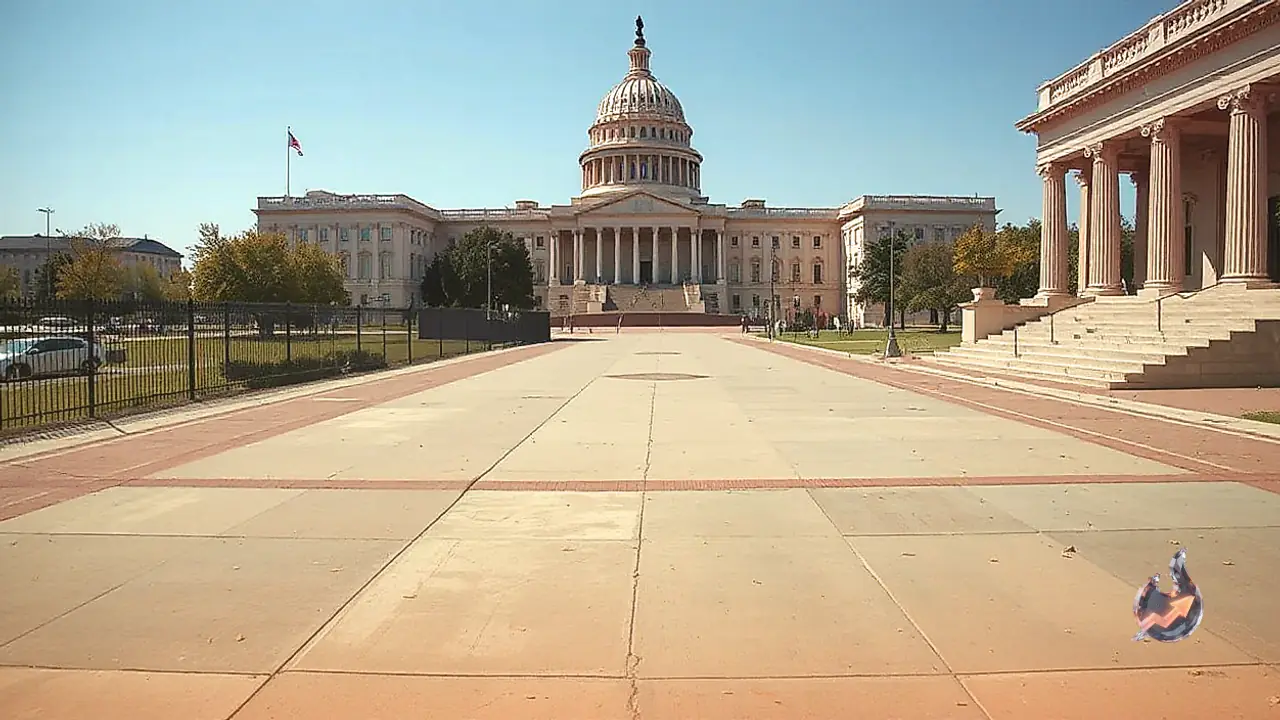

The upcoming 2026 midterm elections in the United States hold significant implications that extend well beyond the domestic political agenda of President Donald Trump, potentially reshaping key dimensions of India-US bilateral engagements. Critical areas spanning trade tariffs, the H-1B visa framework, defense procurement agreements, and India's energy trade with Russia rely heavily on the legislative authorities of the US Congress. Consequently, policymakers in New Delhi are closely tracking the political balance between both parties across Capitol Hill as voters determine which faction will command the legislative chambers.
Congressional Balance and Oversight Mechanisms
At present, the Republican Party maintains control over both chambers of the US Congress, holding majorities in the House of Representatives and the Senate. Should the Democratic Party succeed in securing a majority in either chamber, the Trump administration could encounter heightened legislative scrutiny and more aggressive oversight of its executive decisions. Nevertheless, an altered balance on Capitol Hill would not automatically translate into an immediate reversal of existing American policy toward India. While executive prerogatives remain intact under the presidency, heightened legislative reviews could alter how administrative mandates are executed.
Trade Policies and Pressures on Tariffs
A stronger Democratic presence within Congress could spark broader debates surrounding the Trump administration's trade directives and import tariff mechanisms. This shift would likely introduce greater political friction and policy uncertainty within Washington's trade debates. However, observers should not expect an immediate reduction in duties on Indian goods solely on the basis of these election results. The legal and regulatory structures governing tariffs demand elaborate legislative consensus, ensuring that changes to tariff structures require extensive procedural deliberations rather than swift electoral adjustments.
Implications for Indian Tech Talent and H-1B Visas
The operational landscape for Indian information technology firms and professionals stationed in the United States remains intimately connected to the governance of the H-1B visa program. Political discourse within Washington concerning employment visas and foreign specialized talent directly touches upon the strategies of Indian service providers and personnel. A recalibration of power within congressional committees may redirect the scrutiny applied to administrative decisions and statutory debates around legal immigration. Even so, gains made by Democrats would not mechanically rewrite H-1B regulations, as substantive changes require navigating defined administrative and statutory procedures.
Defense Cooperation and the Indo-Pacific Partnership
Bilateral military engagements, procurement of defense hardware, and collaborative strategies across the Indo-Pacific region form central pillars of the India-US relationship. The US Congress influences these arenas directly through annual budgetary authorizations, defense legislation, and committee hearings. A power transition across congressional committees could bring fresh priorities and recalibrated oversight regarding external military affairs. Nevertheless, strategic defense alignment with India historically commands broad bipartisan backing across both Republican and Democratic parties, indicating that collaborative defense initiatives are well positioned to endure regardless of the electoral tally.
Energy Purchases from Russia and Geopolitical Balance
India's ongoing procurement of Russian crude oil alongside longstanding bilateral defense links with Moscow is expected to remain an active focal point on Capitol Hill. Legislative moves regarding enforcement of Russian sanctions and the administration's strategic posture directly impact India's domestic energy stability and diplomatic maneuverability. If Democrats gain strength in Congress, congressional inquiries could intensify regarding sanction implementation and the administration's broader posture toward Russia. In response, New Delhi will need to balance its fundamental energy requirements and ties with Moscow while simultaneously maintaining constructive channels with Washington.
Investigative Powers and Legislative Challenges
A decisive dimension of the midterm outcome resides in the investigative and oversight prerogatives vested in congressional leadership. Gaining control over either the House of Representatives or the Senate would afford Democrats enhanced leverage to convene formal committee hearings, issue inquiries, and review executive agency actions. Should the opposition secure majorities in both chambers, the Trump administration would encounter substantial hurdles in advancing its legislative goals. Nonetheless, because presidential executive authority endures in foreign affairs, shifts in congressional majorities alone will not overturn the fundamental trajectory of US-India relations.