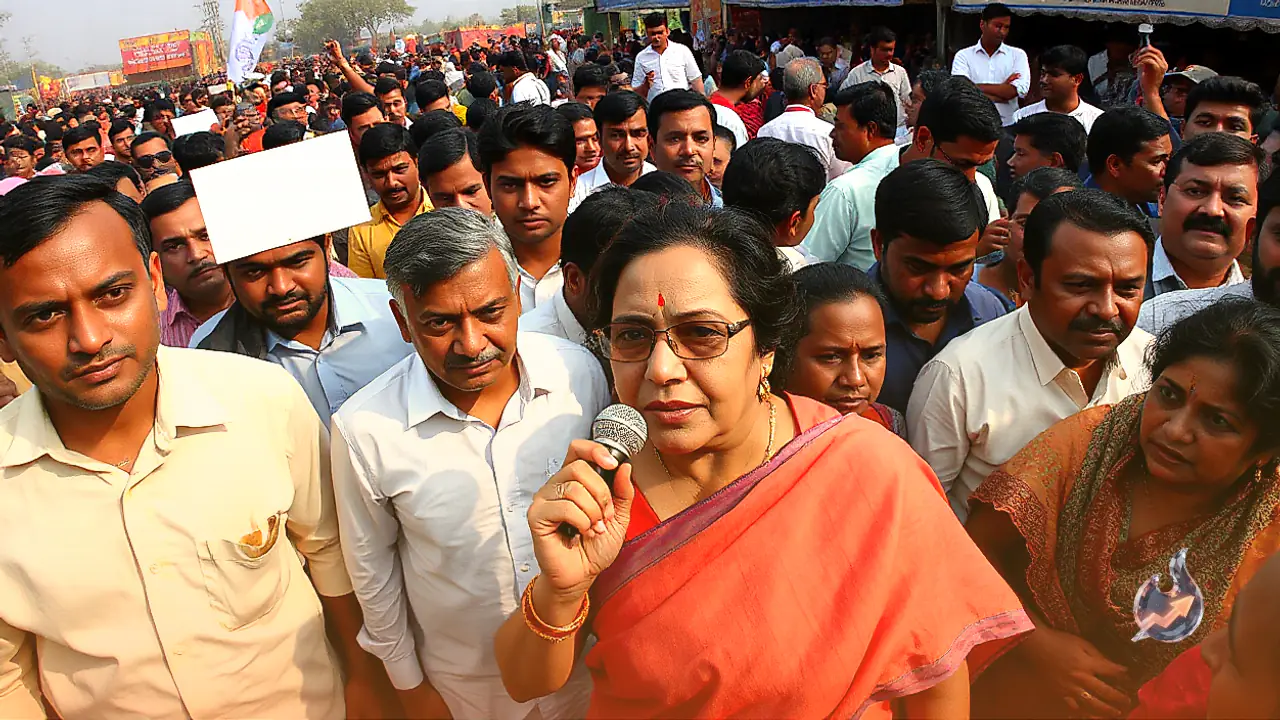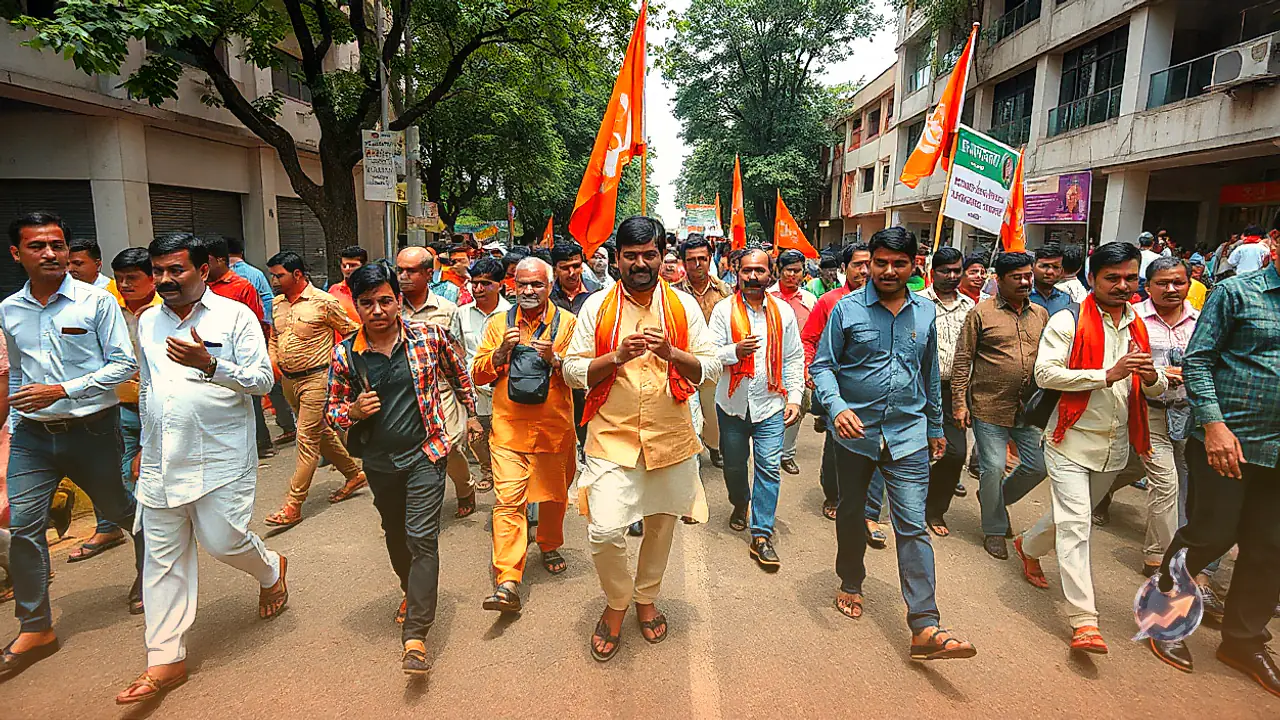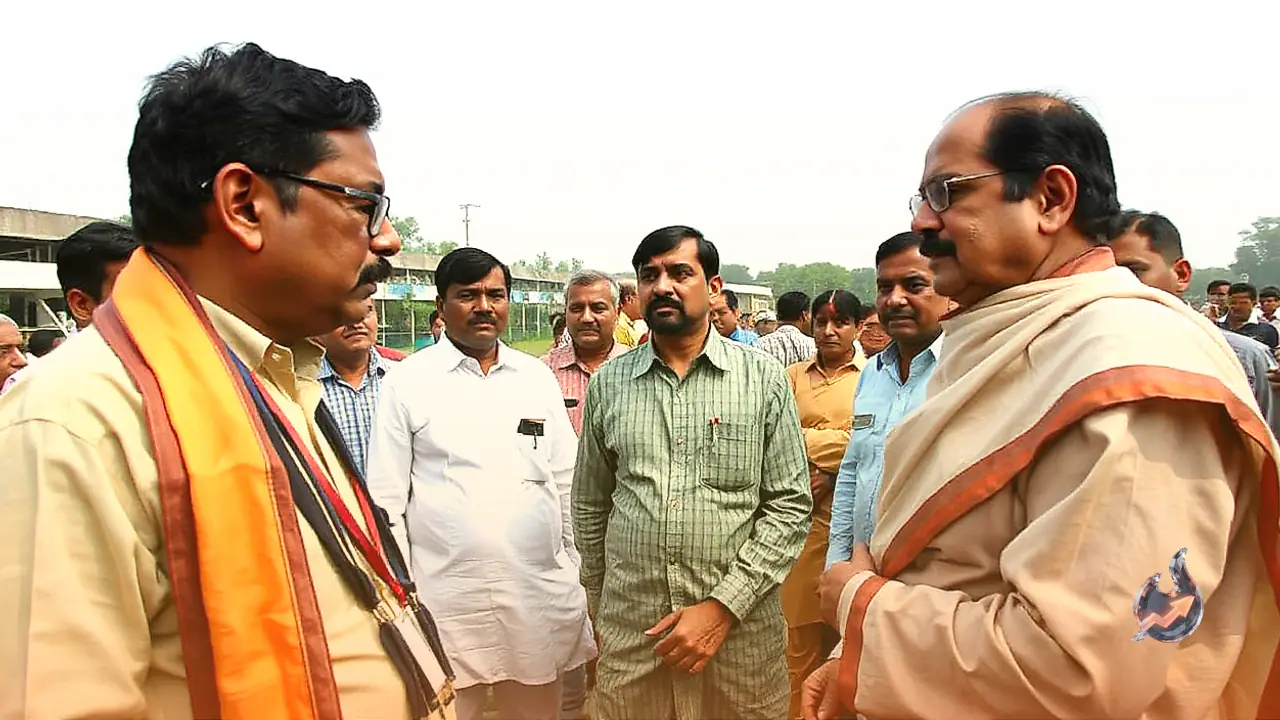






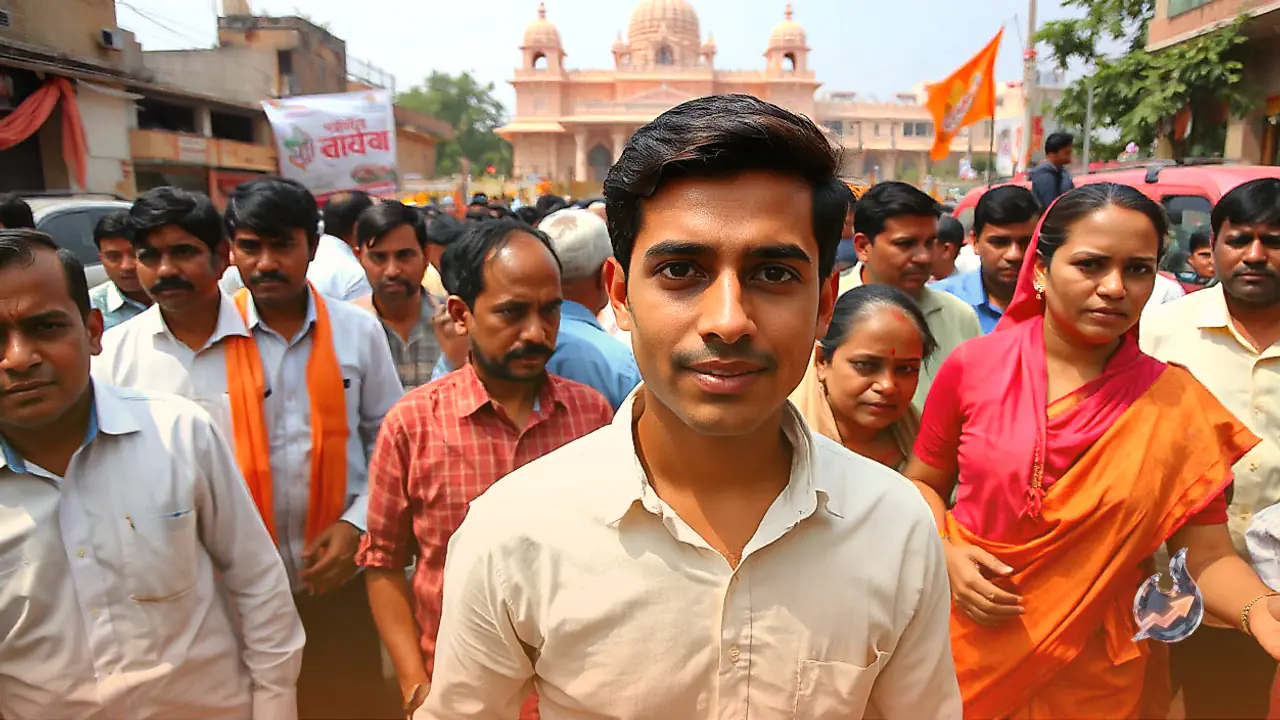














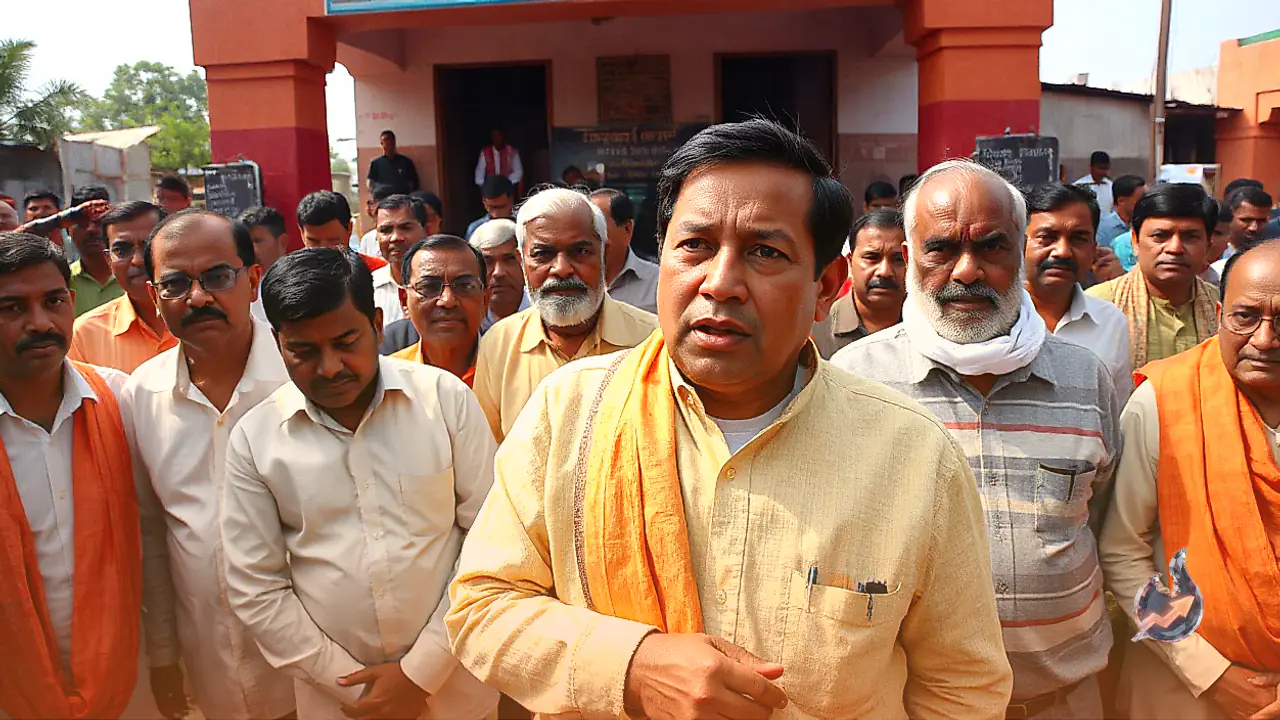

Speaking at a political event in Kharagpur, West Bengal government minister Dilip Ghosh addressed the shifting political climate across the state. Linking his observations to remarks made by BJP National President Nitin Nabin, Ghosh launched a pointed critique directed at the state's political landscape, former Chief Minister Mamata Banerjee, and the Leader of the Opposition in the Lok Sabha, Rahul Gandhi. Dilip Ghosh emphasized that the people of West Bengal had spent years waiting for an environment where they could express their cultural beliefs and chant 'Jai Shri Ram' without fear. He asserted that citizens are now freely raising this slogan across public venues, attributing this transformation entirely to the collective will and determination of the electorate.
Reflections On Past Governance And Public Freedom
Discussing the contrast between the past and present governance, Dilip Ghosh pointed to strict administrative actions under the previous administration. He stated that during the tenure of the previous government, individuals who publicly raised religious slogans such as 'Jai Shri Ram' routinely faced arrest, imprisonment, and ill-treatment by police personnel. According to him, that climate of harassment has dissipated, allowing people to carry out worship rituals openly and chant religious slogans without administrative intervention. Ghosh reiterated that the visible freedom now seen across towns and villages is the direct outcome of the public's clear decision to reject repressive policies and reclaim their religious liberty.
Assessment Of Mamata Banerjee's Electoral Record
Targeting former Chief Minister Mamata Banerjee, Dilip Ghosh focused heavily on her recent electoral fortunes. He stated that she has suffered defeat twice across two elections. While her party managed to secure an electoral victory in the past, she had returned as Chief Minister through back-door arrangements rather than a direct personal mandate. Ghosh noted that her party has now been thoroughly defeated and swept away. Because of these outcomes, he claimed that there is no space left for Mamata Banerjee in the mainstream politics of West Bengal. He further remarked that her political protests in Delhi are an outcome of being rejected by her home state, questioning the validity of her political footprint outside Bengal when her regional base has eroded.
Allegations Leveled Against Rahul Gandhi
Addressing national politics, Dilip Ghosh turned his attention toward the Leader of the Opposition in the Lok Sabha, Rahul Gandhi. He alleged that Rahul Gandhi is acting in coordination with foreign funding, overseas interests, and external directives to stoke civil unrest across the country. Ghosh maintained that continuously attacking the government and challenging sovereign institutions has turned into a routine practice for the opposition leader. He added that tarnishing the country's reputation in international forums has become Rahul Gandhi's settled political approach, one that he continues to pursue vigorously without regard for national stability.
Addressing Substance Abuse As A Public Challenge
Beyond competitive politics, Dilip Ghosh highlighted the escalating menace of narcotics, describing substance abuse as a severe danger threatening communities worldwide as well as across India. He expressed particular alarm over how the youth are steadily getting caught in the grip of illegal drugs, creating serious developmental risks for future generations. Ghosh explained that the government is carrying out various targeted measures while maintaining ongoing surveillance against trafficking networks. He concluded by urging citizens to stay watchful within their neighborhoods and work alongside authorities to shield young individuals from the devastating effects of addiction.