



















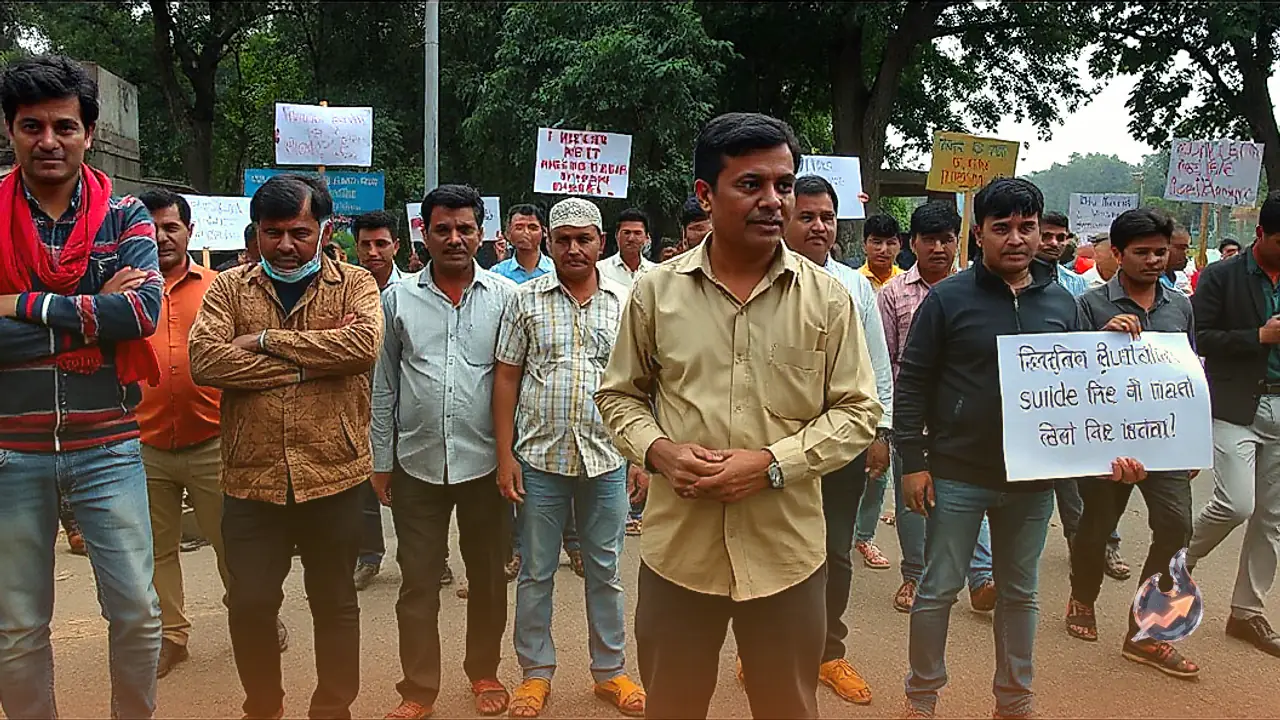

Civil society organizations and regional youth bodies across Meghalaya have intensified pressure on the state administration, setting a strict one-month timeline to enforce pending legislations designed to regulate demographic influx. The collective warned that a prolonged failure to execute existing legal safeguards for indigenous tribes would compel them to take to the streets in a broad civil agitation.
Formal Representation Sent to the Chief Minister
The Joint Co-ordination Committee, an umbrella body representing ten prominent tribal associations, outlined its grievances in a formal communication dispatched to Chief Minister Conrad K Sangma on November 3. The document expressed severe frustration over protracted delays in deploying statutory instruments meant to safeguard the socio-economic and political interests of indigenous citizens. Representatives pointed out that sustained dialogues regarding institutional defense mechanisms date back to the 2013-14 period, yet fundamental matters continue to linger without resolution.
Scrutiny over Unimplemented Safety Statutes
The committee explicitly demanded explanations regarding the stalled operationalization of the Meghalaya Residents Safety and Security Act of 2016, particularly its designated entry and exit verification infrastructure across regional gateways. Furthermore, the organizations highlighted the sluggish administration of the Meghalaya Identification Registration (Safety and Security) of Migrant Workers Act of 2020, which mandates systematic logging and screening of non-local workers seeking employment within the state boundaries.
Land Safeguards and Boundary Complications
In addition to migration tracking, the representation raised deep concerns regarding the dormant Meghalaya Benami Transactions Prohibition and Detection Act, which is meant to prevent non-tribal entities from acquiring assets through surrogate arrangements. The group also brought attention to persistent frictions surrounding unresolved inter-state and international border stretches, arguing that unchecked movement continues to unsettle Khasi, Jaintia, and Garo communities who seek protection from outside pressures originating in neighboring territories.
Government Accused of Evading Responsibility
Accusing the leadership of deliberate administrative inaction, the unified platform emphasized that lax enforcement undermines the security of native populations. In its formal submission, the Joint Co-ordination Committee asserted,
"The State Government's lack of political will to enforce and stringently implement these laws poses a grave threat to the indigenous people, including the Khasi, Jaiñtia, and Garo communities."
Ten Pressure Groups Join Hands
The collective front comprises influential regional formations, including the Federation of Khasi Jaiñtia and Garo People, Hynñiewtrep National Youth Front, Ri-Bhoi Youth Federation, Jaintia Students Union, and Garo Students Union. They are partnered alongside Garo Hills organizations such as the A-Chik Youth Welfare Organisation, Association for Democracy and Empowerment, Federation for A-Chik Freedom, All A-Chik Youth Welfare Society, and the A-Chik Holistic Awakening Movement. The groups reiterated that if administrative machinery does not move within thirty days, they will initiate a unified public agitation.