


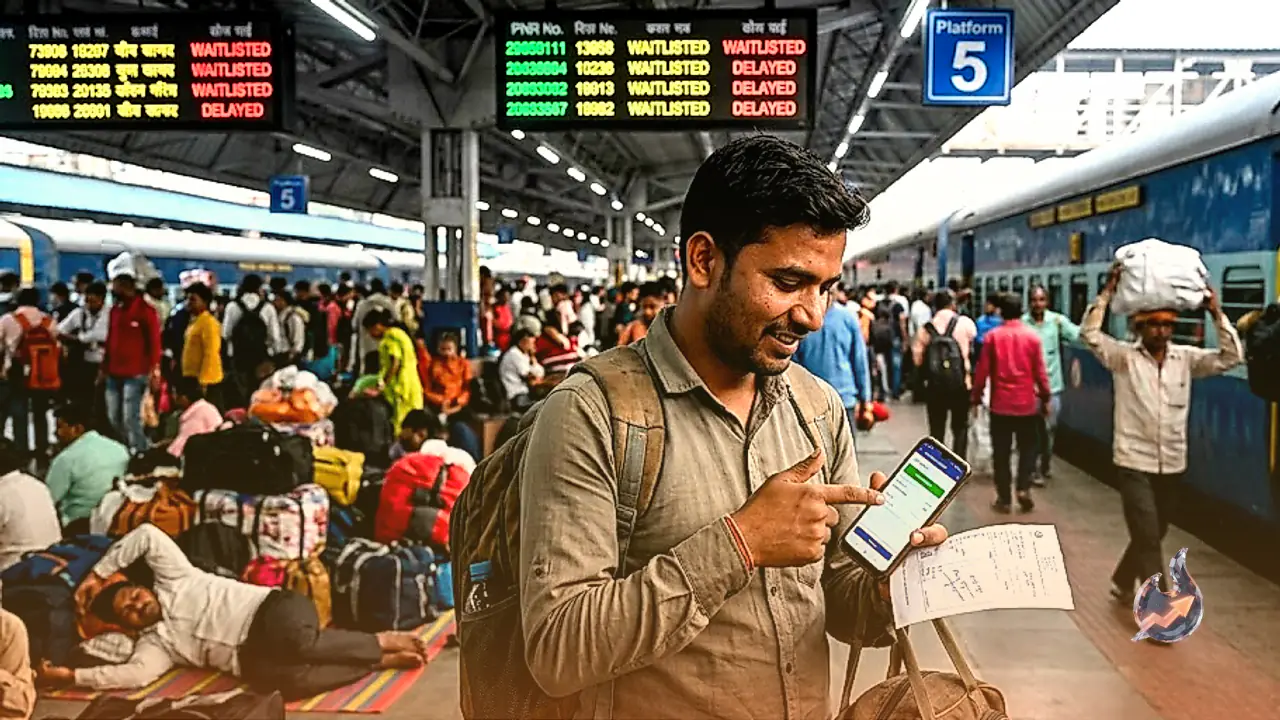


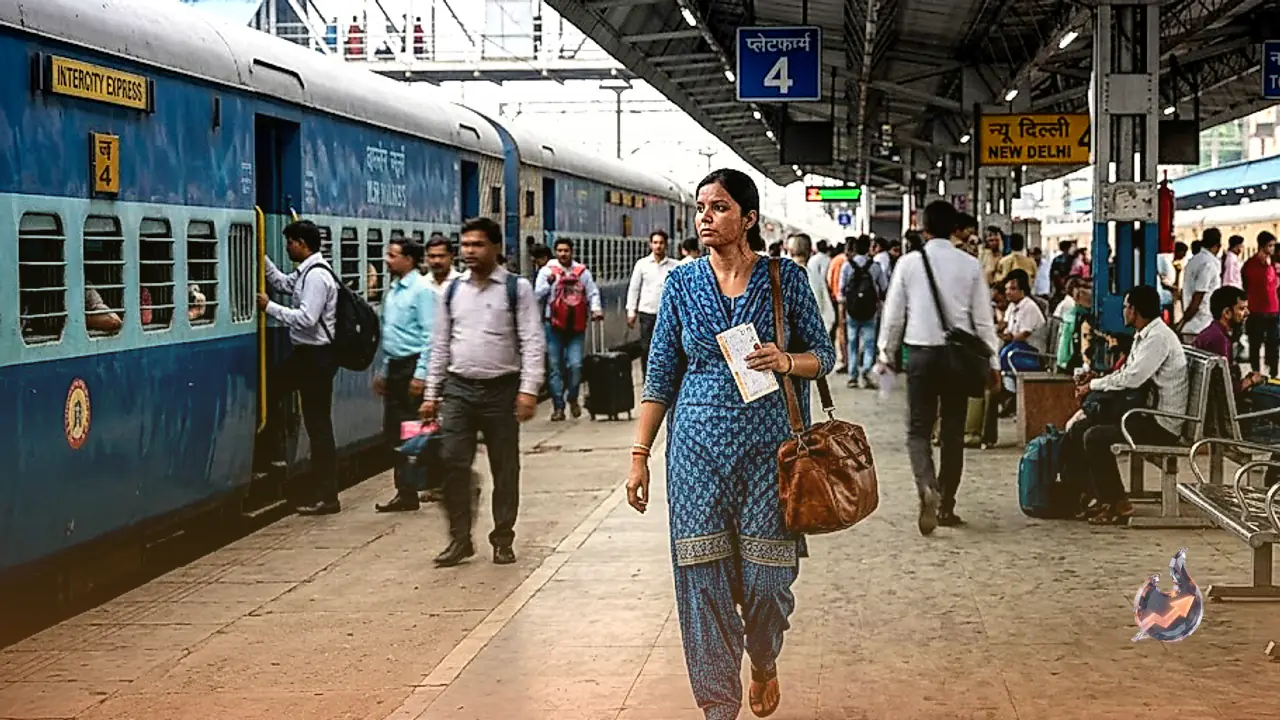















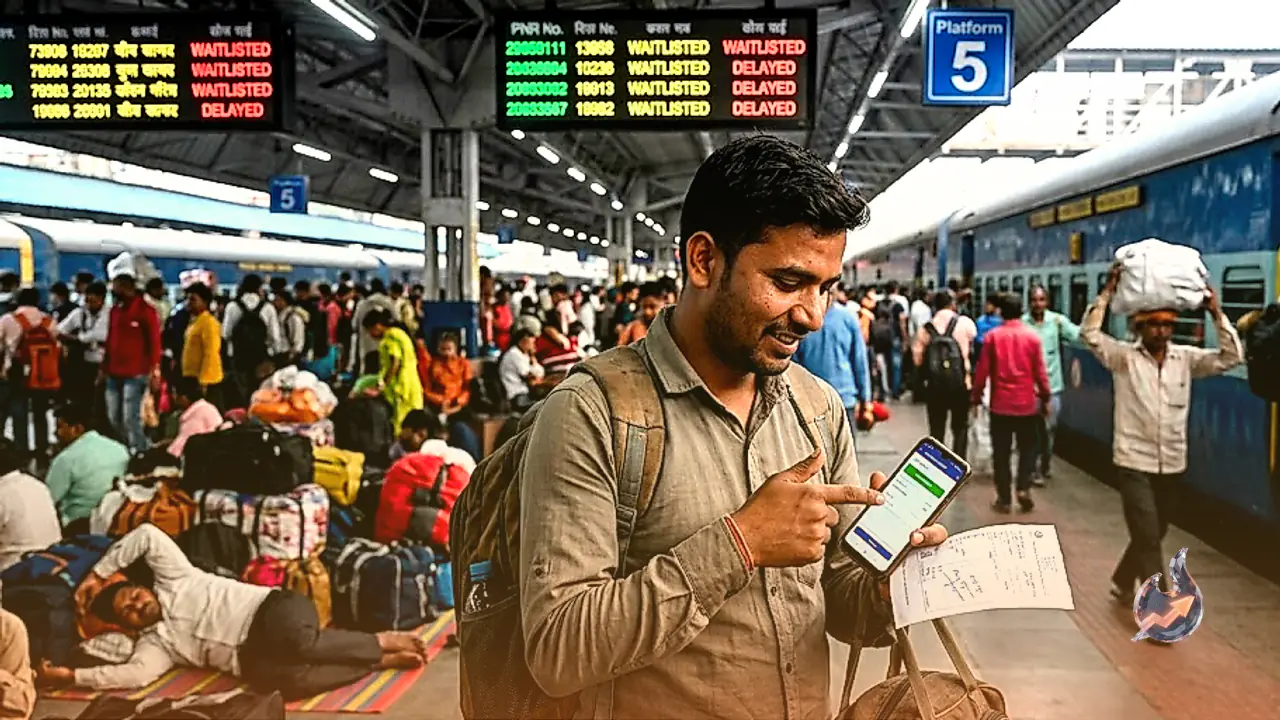

The conclusion of Pitru Paksha traditionally signals the beginning of the festive rush across India, but long before the celebrations commence, an intense scramble for train reservations has already taken hold. On numerous long-distance passenger routes, waiting list numbers have comfortably crossed the 100 mark. The situation on several critical corridors has deteriorated to the point where reservation portals display a regret status for peak travel dates, effectively barring passengers from booking even a basic waiting list ticket. Facing such steep hurdles, travellers are left seeking viable methods to lock in confirmed berths and evaluating which routes still offer realistic travel prospects.
Analysing Booking Portals and Selecting Alternative Boarding Points
An examination of booking patterns on the IRCTC reservation portal reveals that very few regular services still possess vacant berths. Securing a confirmed ticket on high-demand dates near major festivals has become exceptionally difficult on direct services. Nevertheless, portal data demonstrates that booking berths from stations slightly ahead of or beyond a passenger's primary boarding point can substantially boost the likelihood of securing confirmation. The booking portal also provides automated forecasts outlining confirmation probabilities for specific routes and services, enabling passengers to assess their chances before committing to a reservation.
Relying on Over 100 Festival Special Services
Given the intense competition for seats in premier and popular express trains, passengers should proactively redirect their attention towards special holiday services. The administration routinely introduces supplementary train services during heavy travel periods, and opting for these temporary runs instead of routine timetabled trains significantly improves seat availability. For the current festive window, the government has announced the operation of more than 100 special trains planned across almost every key long-distance route. Corridors heading into Uttar Pradesh and Bihar witness particularly high seasonal demand, prompting authorities to deploy dozens of dedicated festive trains every year.
The Mechanics of Getting Confirmed on 100-Plus Waiting Lists
Modern railway operations frequently confirm reservations even when waiting counts initially exceed 100. This outcome is largely driven by the railway administration's practice of attaching extra coaches to high-demand trains, which absorbs a sizable volume of waitlisted passengers. The deciding factor in this process is the specific quota assigned to the waiting ticket. A General Waiting List (GNWL) ticket enjoys the highest confirmation priority. Conversely, a Remote Location Waiting List (RLWL) ticket moves at a much slower pace, while a Pooled Quota Waiting List (PQWL) ticket is cleared last. Consequently, it is common for a GNWL ticket with a waiting number around 100 to clear, while a PQWL ticket carrying a waiting count as low as 15 remains unconfirmed.
Leveraging the VIKALP Scheme for Confirmed Travel
Booking records indicate that corridors connecting Delhi to Bihar are bearing the brunt of the holiday rush, with numerous services reaching regret status. However, passengers encountering waitlists exceeding 100 still have practical recourse. Activating the VIKALP feature during the initial booking step provides substantial protection. Under this arrangement, if a passenger fails to get a berth in their preferred train, the automated allocation engine can transfer the booking to any alternate train traversing the same route that has available accommodation.
Smart Boarding Tactics to Navigate Heavy Waitlists
When confronted with steep waiting lists on arterial corridors like Delhi to Bihar, travellers can adjust their booking strategies to avoid travel disruption. Opting for general waitlist categories offers better prospects than restricted location pools. Furthermore, booking towards intermediate destinations or selecting nearby secondary railway junctions instead of premier metropolitan terminals can bypass locked quotas. Travellers can then easily complete the remaining leg of their journey via local connecting trains. Implementing these flexible tactics ensures that passengers can reach their homes smoothly despite severe holiday congestion.
