




















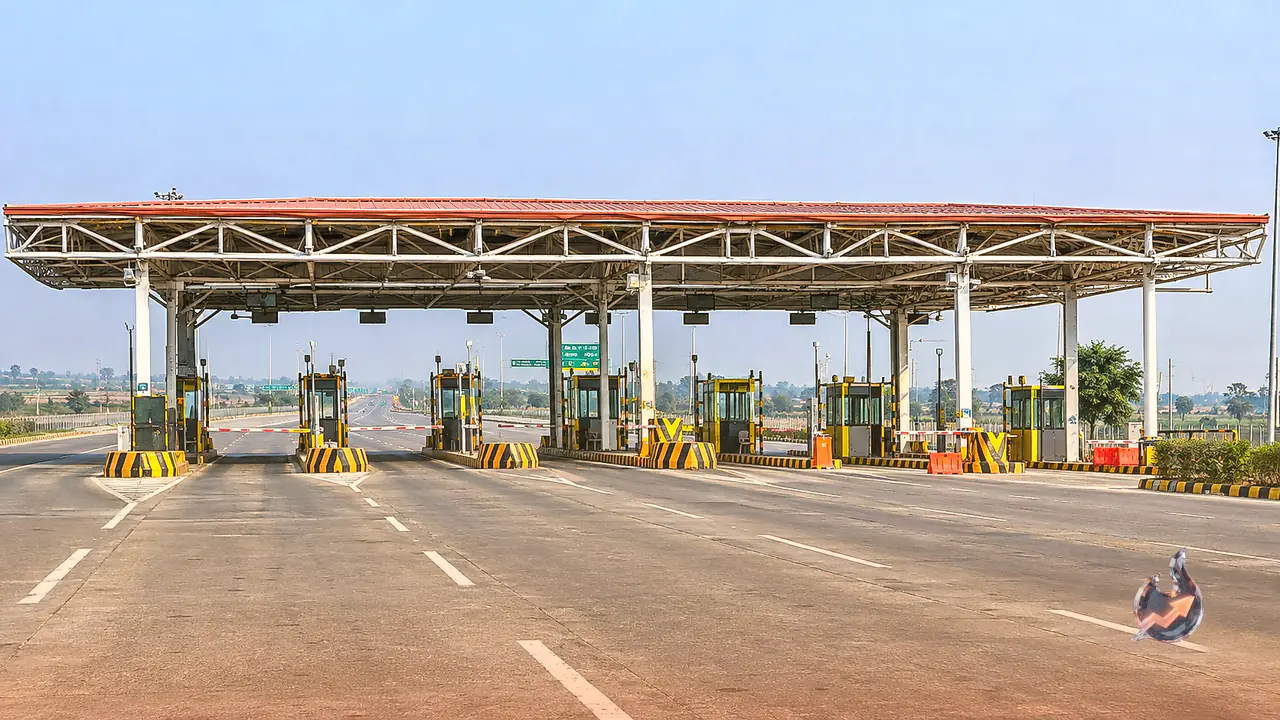

An unprecedented surge of passengers traveling to their hometowns and ancestral villages for Diwali and Chhath Puja has placed extraordinary stress on regional transportation networks. While heavy holiday rushes are traditionally confined to major railway platforms and interstate bus terminals, this year has seen severe congestion spilling directly onto major expressways and arterial highways. Long waiting lists on passenger trains, overcrowded coaches, and fully booked commercial buses have compelled hundreds of thousands of people to undertake long journeys in personal vehicles. Consequently, major toll plazas across northern transport corridors are witnessing severe bottlenecks and extended vehicular queues.
Traffic Volumes Surge Far Beyond Normal Operating Capacity
High-speed corridors connecting western transit hubs with central and eastern regions are currently accommodating vehicle numbers vastly exceeding standard daily averages. Commuters traveling from industrial clusters such as Delhi, Noida, and surrounding areas toward eastern Uttar Pradesh and Bihar have taken to the highways in droves. This sudden migration has led to noticeable speed reductions along route sections that normally allow uninterrupted cruising speeds. Expressways overseen by the Uttar Pradesh Expressways Industrial Development Authority, commonly known as UPEIDA, are bearing the brunt of this seasonal influx.
Heavy Movement Across Crucial Uttar Pradesh Corridors
UPEIDA is responsible for operating and maintaining some of the largest vehicular arteries in northern India, including the Agra-Lucknow Expressway, Purvanchal Expressway, Bundelkhand Expressway, Gorakhpur Link Expressway, and Ganga Expressway. These major expressways form the primary transport grid of the state, serving as vital transit links between urban commercial centers and rural heartlands. Following the conclusion of Diwali festivities and the onset of travel for Chhath Puja, vehicle density across every segment of this interconnected network has spiked to record seasonal levels, creating operational bottlenecks at toll collection points.
UPEIDA Releases Travel Advisory Over Toll Delays
In response to the mounting highway congestion, UPEIDA has released an official public advisory for all motorists traversing state expressways. The authority stated in a social media statement that the intense festival volume is inevitably resulting in longer clearance times at toll plazas. To mitigate these disruptions and assist stranded travelers, the administrative body noted that extra operational resources have been deployed to operate toll lanes and electronic collection points at maximum possible processing capacity throughout this travel window.
Leaves Revoked for Safety Personnel as Authorities Urge Driver Discipline
To keep transit lanes functional and ensure emergency responsiveness along the routes, UPEIDA has implemented strict staffing measures. All leaves and time-off requests for personnel assigned to highway patrol, road safety management, and vehicular monitoring have been cancelled until regular travel patterns resume. The agency has directly urged drivers to maintain reasonable patience, avoid dangerous overtaking, and stay inside designated lanes. Emphasizing the collective responsibility needed during holiday rushes, the authority asked travelers to refrain from reckless driving and cooperate fully with on-ground traffic controllers to keep vehicle flow moving safely.